MENA Logbook #3: A City That Doesn’t Pause
It’s been a month since the last entry. Not because things slowed down, but because they didn’t.
It’s been a month since the last entry. Not because things slowed down, but because they didn’t.
#Ramadan started while I was in #Dammam. I travelled there with my wife and spent the first days working remotely, anchored in something familiar. The first iftar is usually at my mother’s place in Egypt, that reference doesn’t change, even when the location does. Then I returned to #Riyadh.
The city shifts during Ramadan. Working hours compress, from 8 to 6. Meetings become harder to fix. Most replies converge to one line: “After Eid, inshallah.”
Presence changes more than schedules. A 45-minute drive to and from the office becomes 16. The city is lighter during the day, but not inactive.
At night, it comes back.
In Diriyah, moving from Samhania through Diriyah Art Futures, one of the landmarks by SCHIATTARELLA ASSOCIATI, and into the wadis, the experience is continuous. Urban fabric dissolves into landscape and gathers again into public terraces. It’s one of the few places where walking feels intentional, not just movement, but sequence.
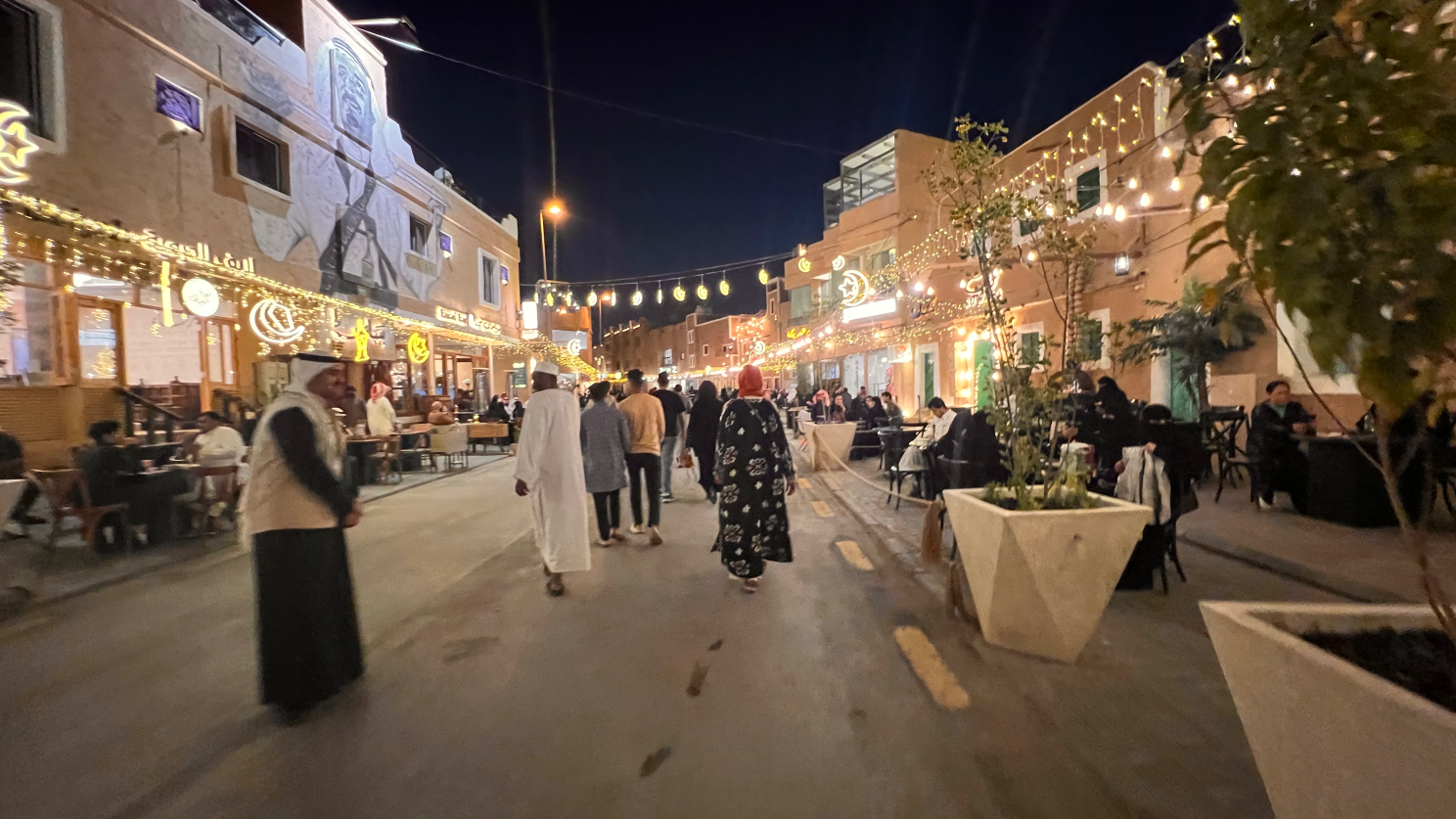
Ramadan Nights at Samhaniya – Diriyah, Riyadh
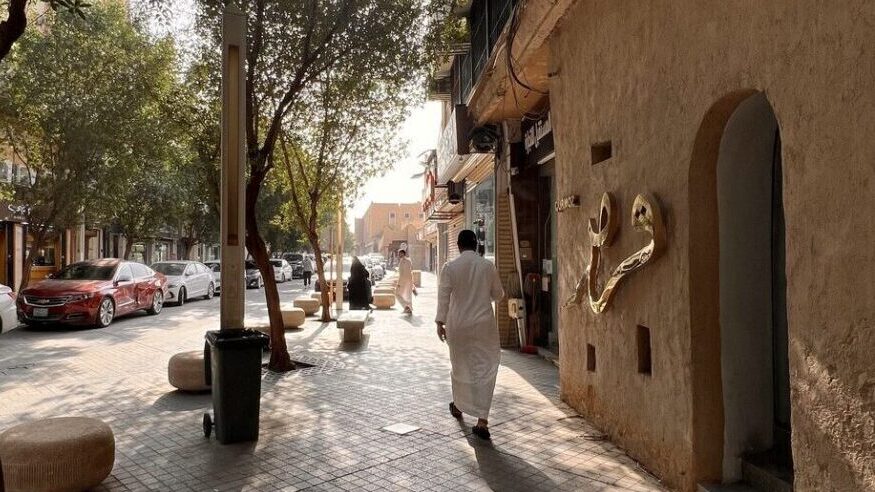
A few days later, in Hay Al-Dirah near Souq Al-Zal, I walked through a narrow street lined with shops on both sides. It was around 30 degrees. But under the shading, it felt completely different. Cool enough to walk. Comfortable enough to stay. An area worth visiting.
People were moving slowly, stopping, browsing, not rushing through, but actually using the space. It’s a simple condition, but a critical one. Shade is not an addition here. It’s what makes the street work.
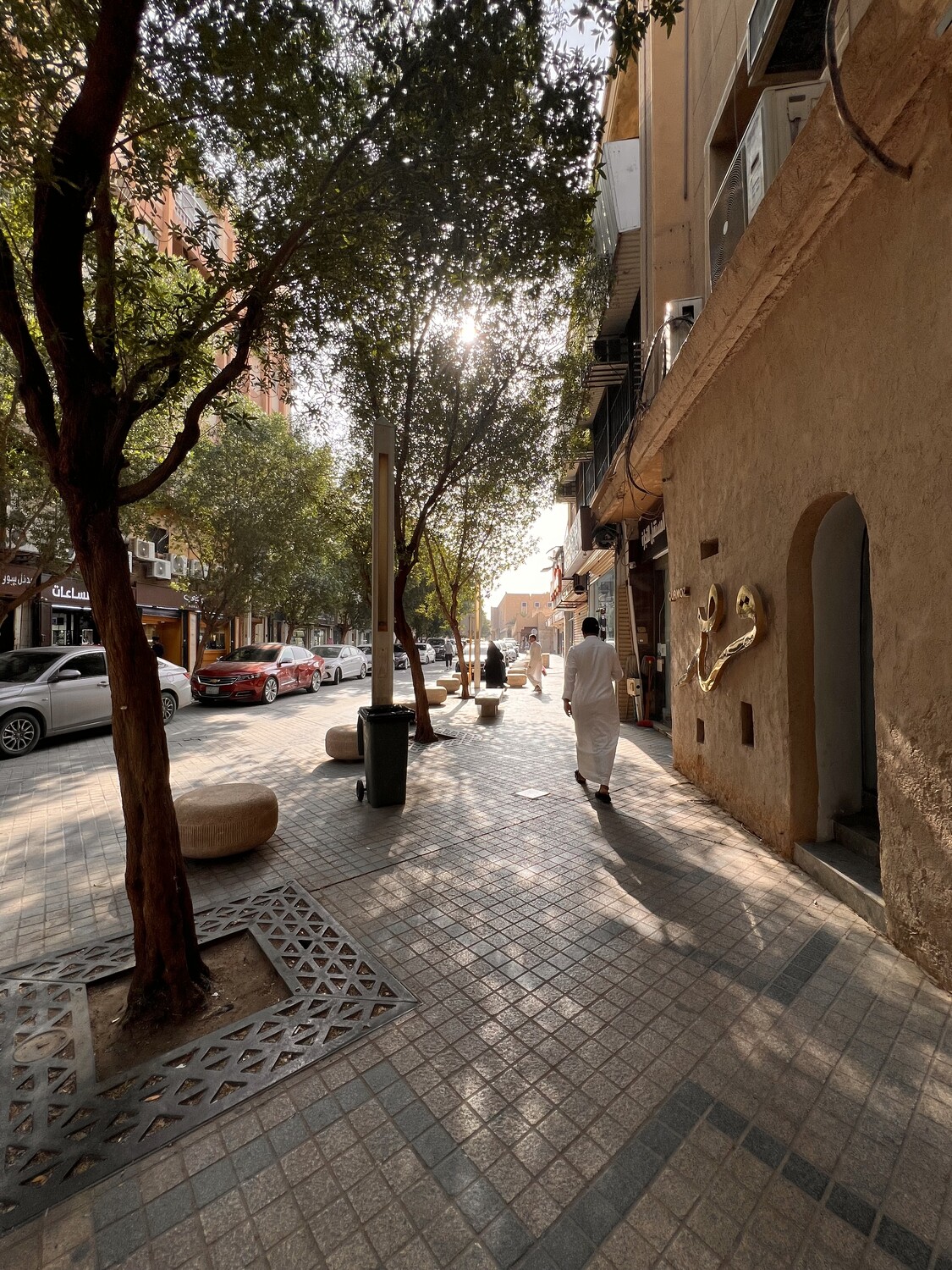
Al Thumairi St., Hay Al Dirah, Riyadh
Projects like the #GrandAvenue or the #SportsBoulevard operate at a completely different scale, but the principle is the same: If people can walk, they will, but only if the environment allows it.
In parallel, the situation shifted. Following the attacks around the Diplomatic Quarter, people working in the area were advised to stay home.
I worked from the compound. At one point, I was set up in a recreational space next to an English teacher running her class. Different activities, same temporary setting. The adjustment was immediate. But the city remained fully operational.
That next evening, north of Riyadh, #Hittin neighbourhood was active. The Sports Boulevard was full. No pause, just adaptation.
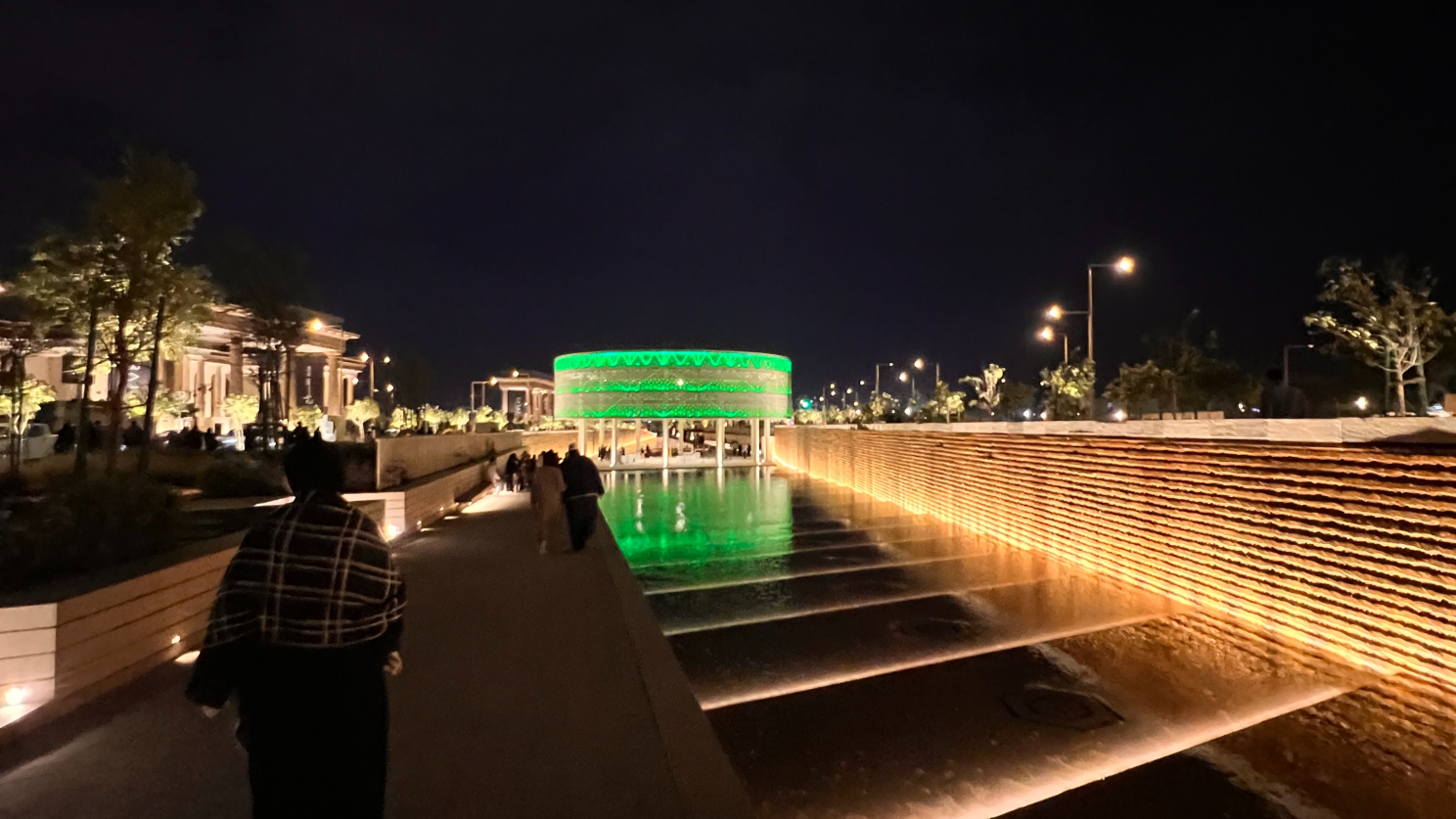
Sports Boulevard in Hittin, Riyadh
Work continued across multiple fronts.
We’ve been advancing the incorporation of LAND MENA together with Domenico Bellotti and Jens Hoffmann, structuring the company, aligning operations, and setting the base for what comes next. In parallel, we’ve been working closely with CERAQUA on legal and tax advisory, moving toward a fully operational setup.
At the same time, the regional scale is accelerating.
During MIPIM in #Cannes, one of the leading global real estate events where cities, developers, and designers converge to present visions and investments, Dr. Giovanna Carnevali presented the vision for the Expo 2030 Riyadh site, outlining the scale of transformation Riyadh is positioning for.
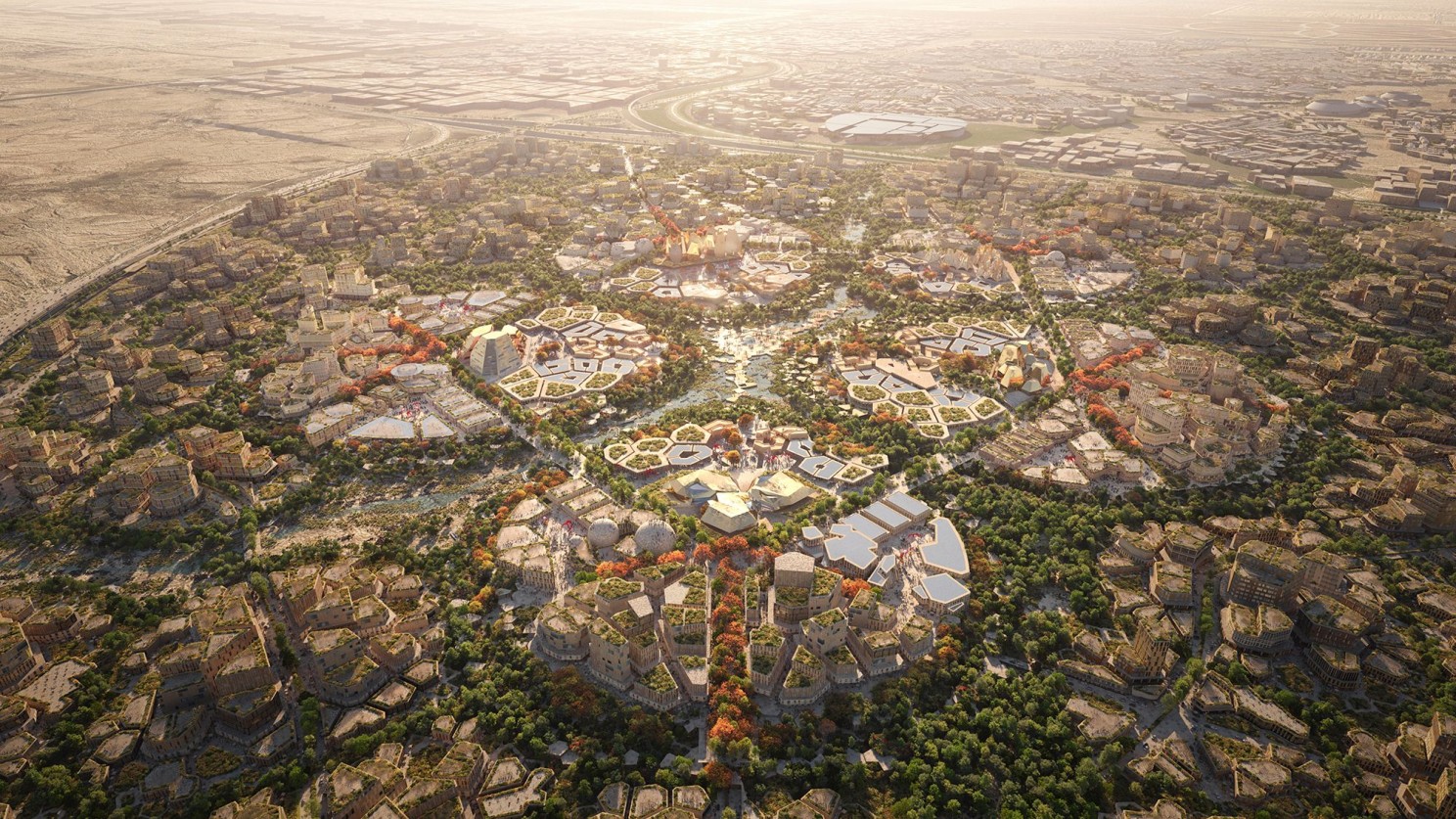
Concept Masterplan for Expo 2030 Riyadh. ©LAVA
Expo itself operates at another level: a global platform where countries present forward-looking ideas, technologies, and cultural narratives, a collective exercise in shaping the “foresight of tomorrow.”
From our side, after contributing to the Concept Masterplan for Expo 2030, work is continuing on multiple pavilions together with LAVA. What started as a strategic vision is now moving into implementation – and beginning to circulate globally.
On the ground, this transformation is already visible.
In Hittin, I came across one of the أمانة منطقة الرياض – Riyadh municipality’s recycling machines, part of an initiative to collect plastic bottles and aluminum cans. A simple system, still not fully deployed, but necessary. Maybe adapting the concept across Supermarkets could help scale the level of engagement.
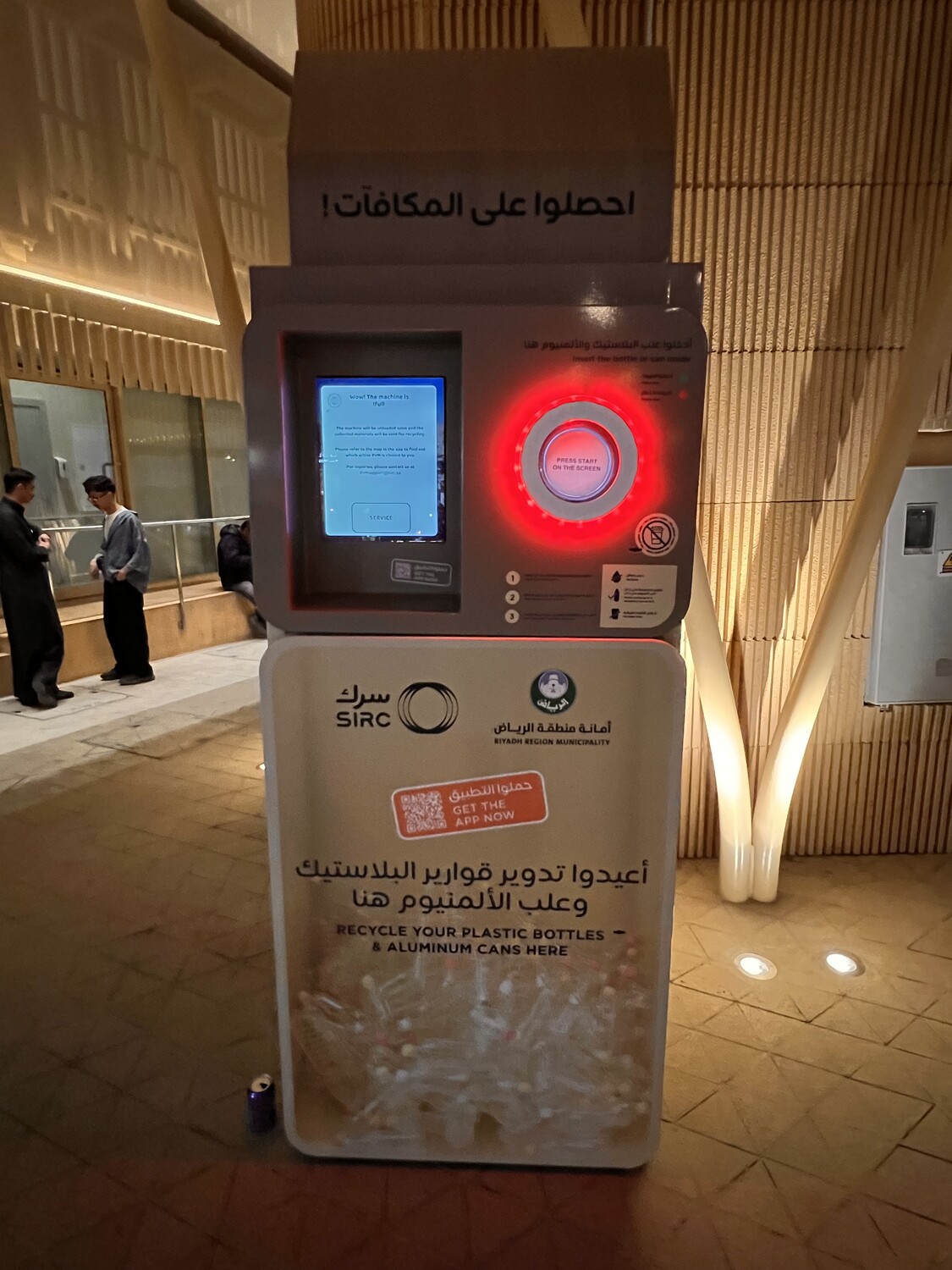
Plastic Bottles Recycling Initiative by Amana at Hittin, Riyadh
Plastic use remains widespread. The infrastructure to deal with it is just starting to appear.
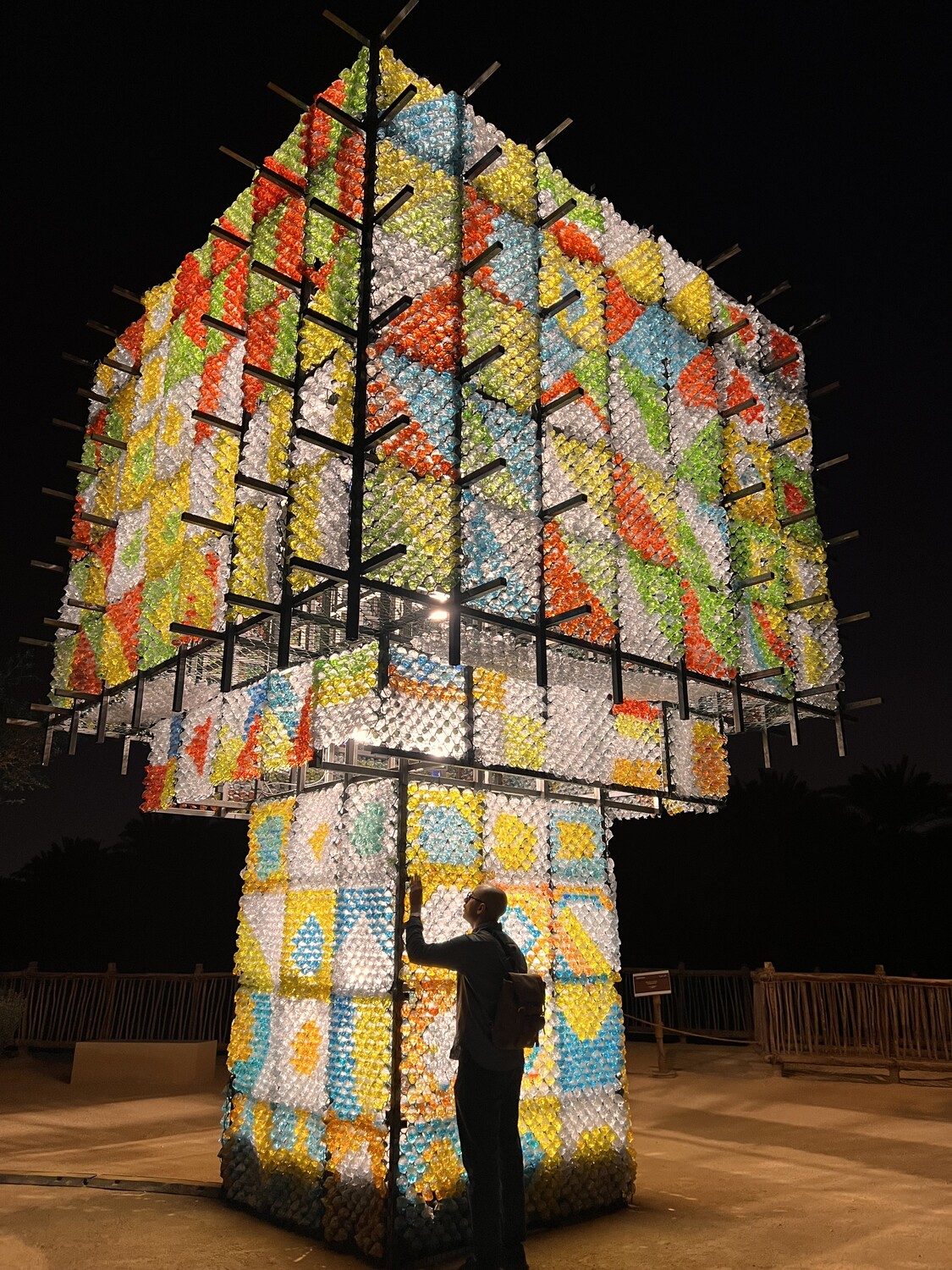
At Diriyah Art Futures, I saw an installation made of hundreds of plastic bottles, turned into a lighting element, a direct reflection of a material that is everywhere.
And then, Al Urubah Park.
Lawand Barazi and I visited the site together with one of the PIF Companies’ representatives, who is shaping urban development in Riyadh. What’s striking is not what is planned, but what is already happening. Biodiversity is establishing itself.
You hear it first, crickets. Then birds. Then the variety of species settling in. The landscape is beginning to function before being fully completed.
The reaction on site was immediate. It’s one thing to discuss strategy, another to see it already working on the ground.
All of this happened within a few weeks.
Ramadan rhythm. Remote work adjustments. Ongoing incorporation. Global platforms and local execution.
Eid marks the end of Ramadan, a moment of pause, gathering, and reset, before everything picks up again, at full pace.
Riyadh doesn’t slow down. It recalibrates – and continues.