Stories from City and Country
Four highlights from personal experience
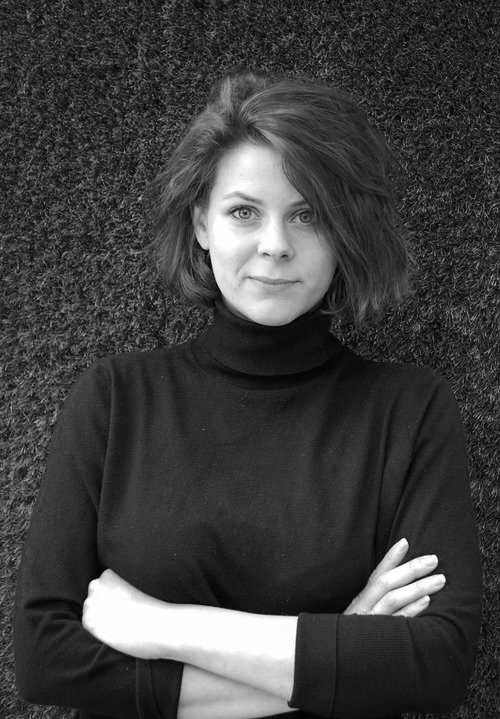
The City as Puzzle
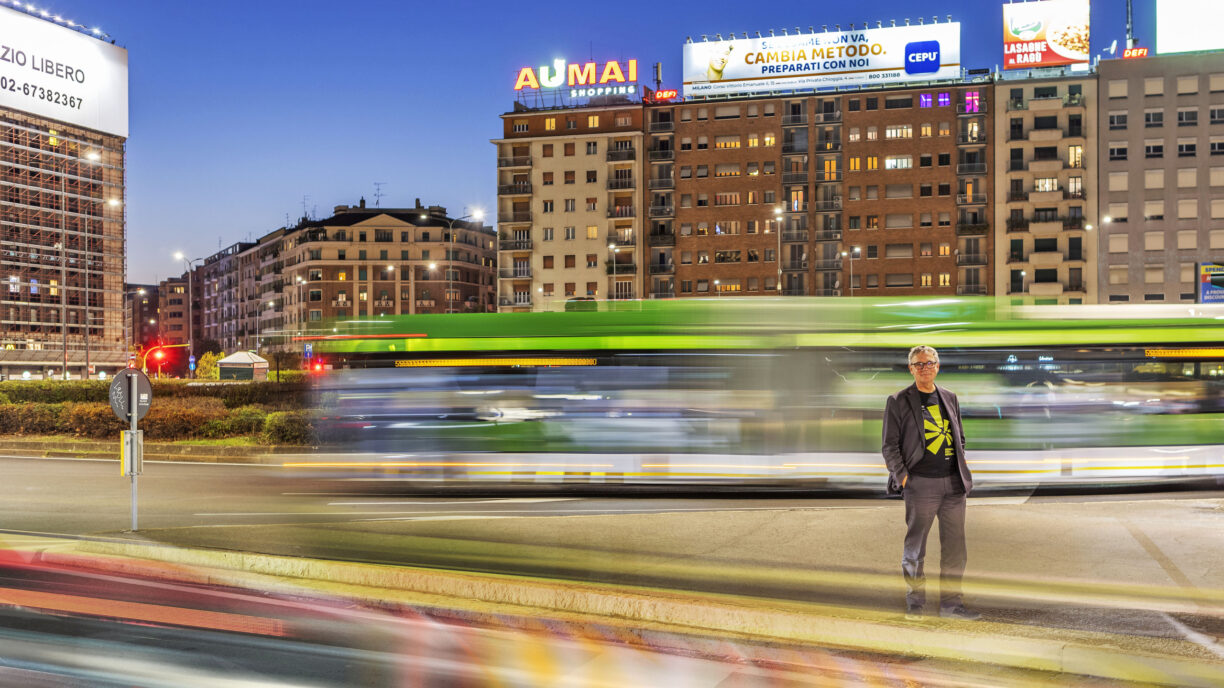
Martina Atanasovska
Milan is a city that people either love or hate. My first experience here wasn’t easy – Milan’s gray and rainy fall and winter days aren’t especially inviting. But then I started to meet people, go places and create memories – and my whole perception changed. At some point, I began to see the city not just as the big picture, but rather as a puzzle with many pieces. This helped me create
my own mental map of places – where I could meet friends and drink an aperitif, a cozy little corner with a beautiful Milanese-style facade, a piazza where I took a great photo. My whole perception changed once again when I started riding my bike every day. I got an even clearer picture of streets and places that aren’t terribly familiar to people who drive or use public transportation – a lot of typically Italian places in a city that doesn’t seem very Italian.
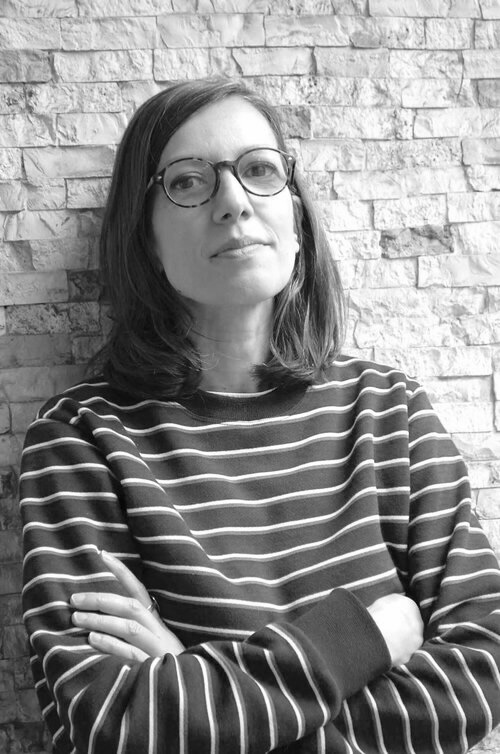
Next Door Diversity
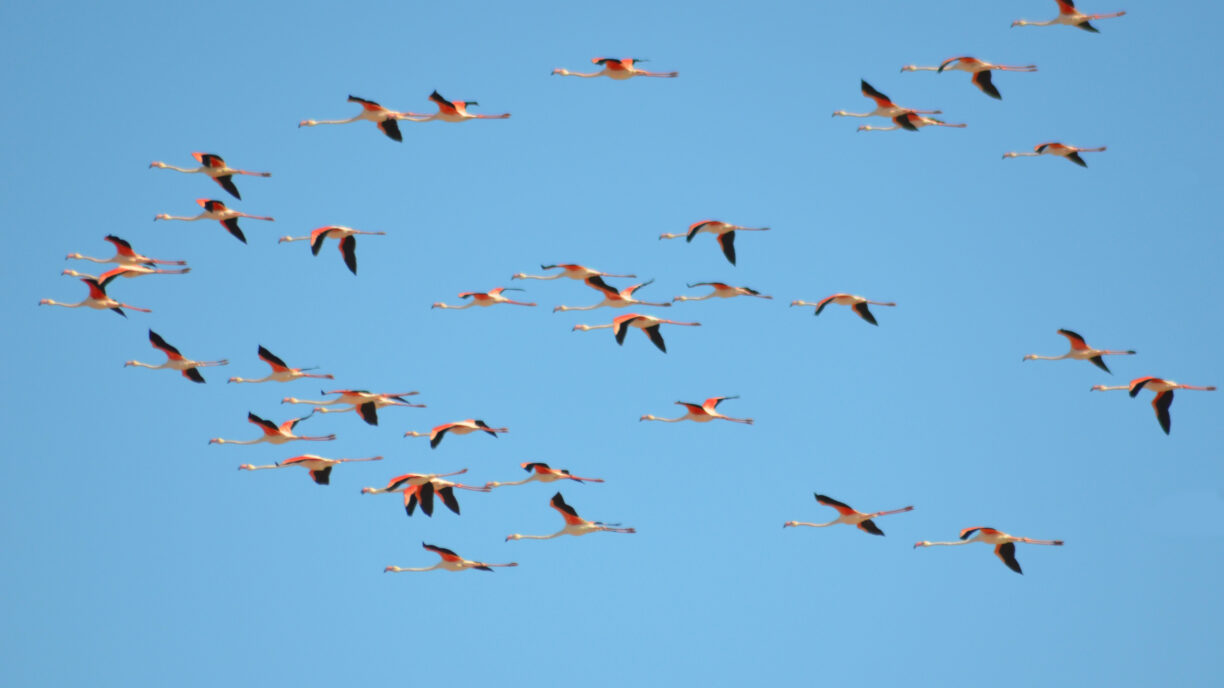
Valeria Pagliaro
In a city like Montreal, where I’ve spent a lot of time working on our firm’s projects, the pandemic forced many social meeting places to curtail their activities drastically. People responded to the need to socialize by turning to existing public parks and open spaces. What struck me the most were the reactions of individual citizens. During the pandemic, individual initiatives on behalf of nature multiplied, from planting small public flower beds to creating private fields of flowers and private gardens. Local government initiatives have brought nature closer to the city. Beekeeping and city chicken coops have been approved and regulated. In some parks, lawns are maintained by flocks of sheep. While there’s a clear trend toward sustainable development at the administrative level, often there’s still no overall vision. What makes the difference is the full participation – street by street – of people working to build a new urban nature, in support of next door biodiversity.
Big cities will have to venture much further into nature.
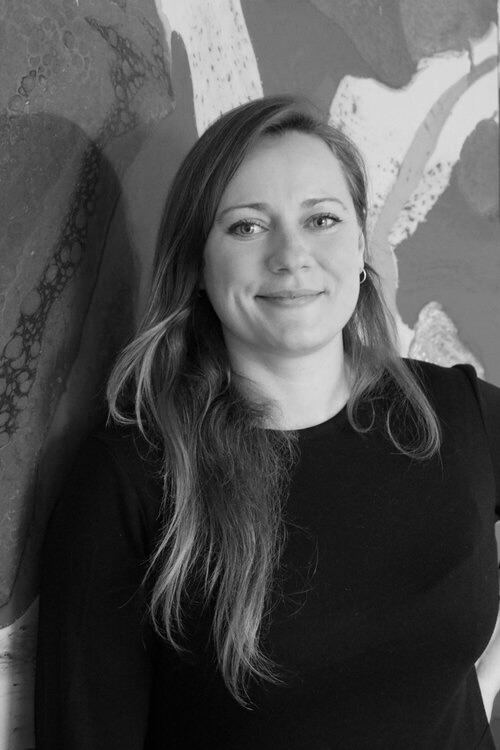
Strengthening the Community
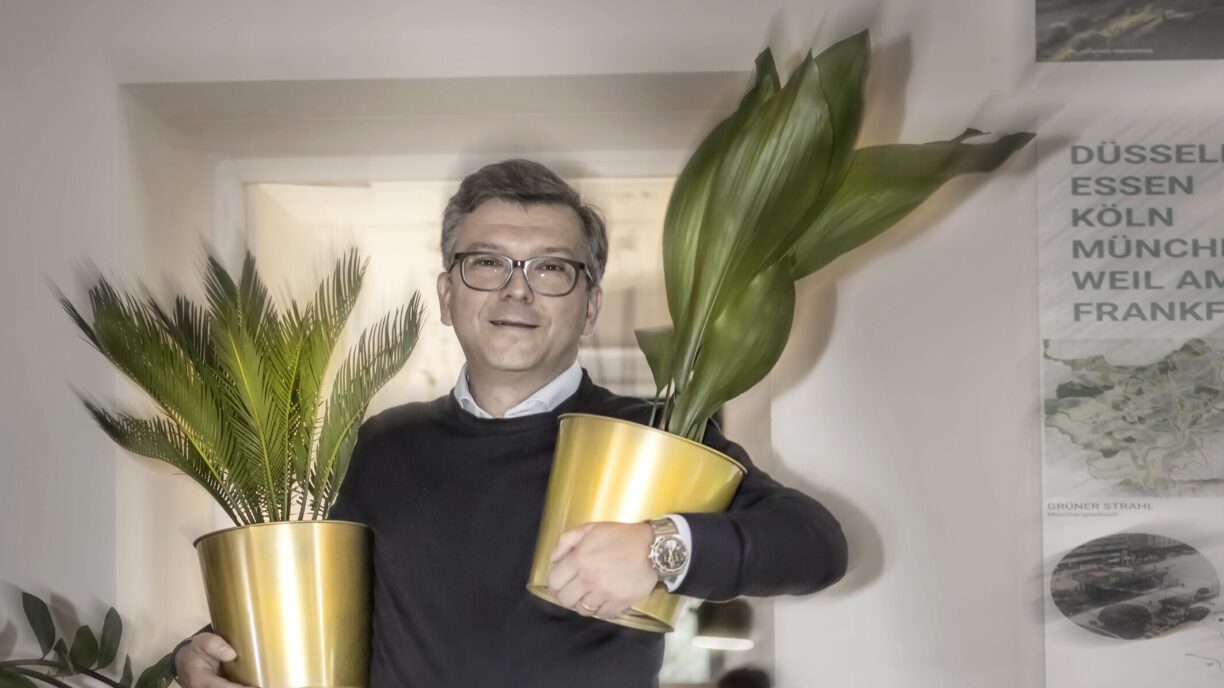
Kornelia Keil
I think it’s an absolute privilege to live and work in a vacation area. Being able to protect my mental wellbeing through nature during the stresses of everyday life is essential to me, and it’s easy to do when you work in a home office in a rural area like Kiefersfelden. Most people have gardens and private open space where they spend much of their free time. The pandemic in
particular shifted the focus to the private sphere. So we need to create more attractive opportunities in public areas in order to strengthen the community and lure people out of their homes again. Town centers should be made stronger, creating places where residents can get together. Rural areas are currently under a lot of pressure due to increased local tourism. I’d like to see development go in the direction of soft tourism, so the locals can keep their safe havens.
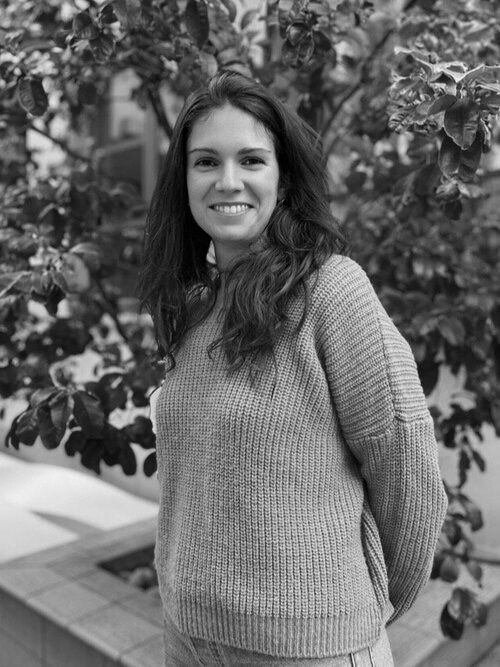
Among Foxes and Badgers
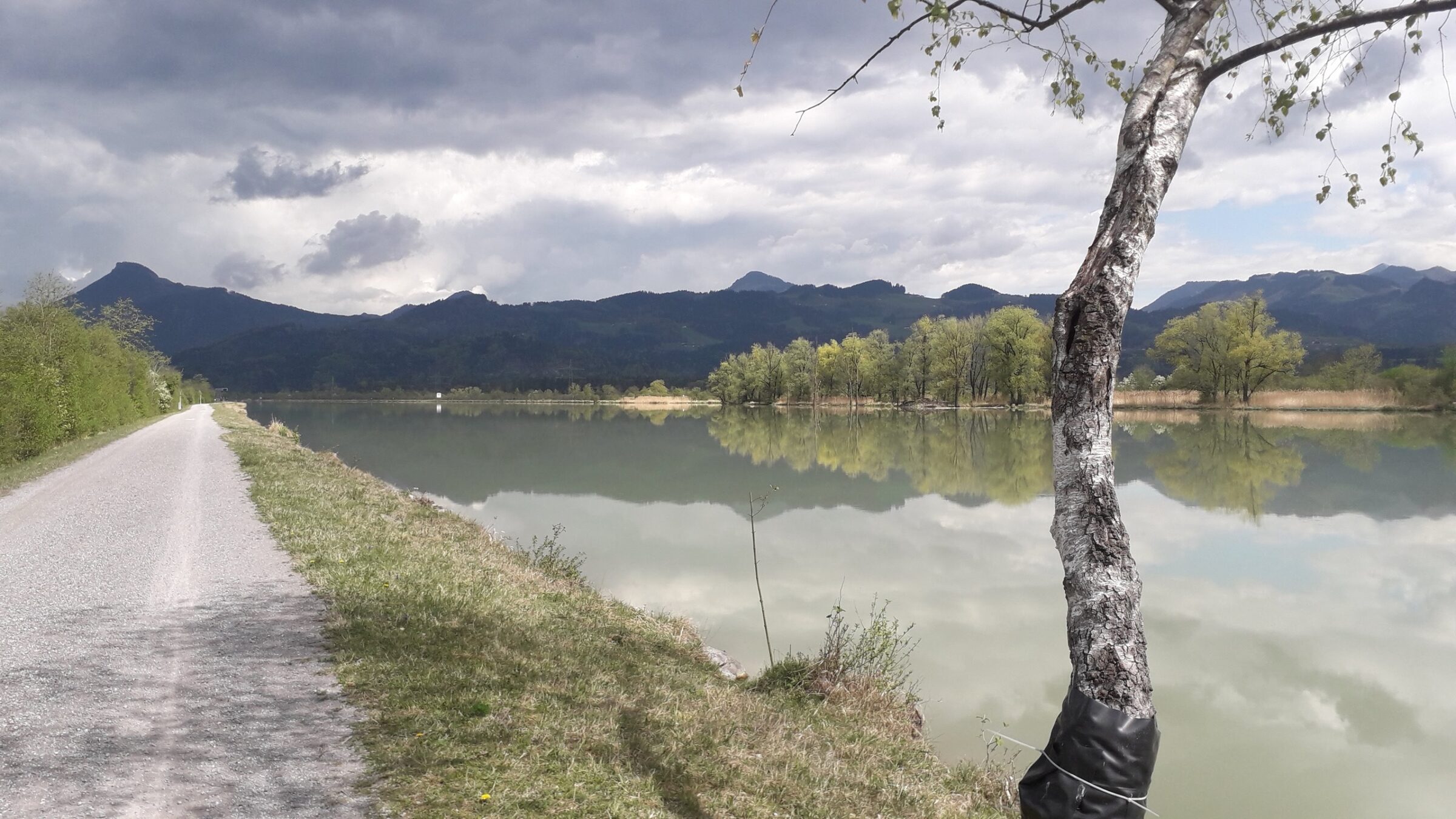
Lisa Perego
I‘ve always lived in the country, in a little village in the Brianza region north of Milan. The hilly landscape is agricultural, with large wooded areas, valleys, rivers and streams. Having grown up surrounded by squirrels, rabbits, foxes, badgers and birds in a place with great biodiversity, I find it hard to imagine giving it all up and moving to a crowded and chaotic city.
Admittedly, the city can be quite attractive, particularly because of its social and cultural events and job opportunities. But the country also offers relationships and activities that enhance our community life. The landscape and nature in the place where I live influenced my professional life as well – I was delighted to choose landscape architecture as my vocation.
The authors work for LAND from a variety of locations.
Read other Articles from this Edition