Improving Quality of Life
Building a Different Urban Environment for the Next Generation
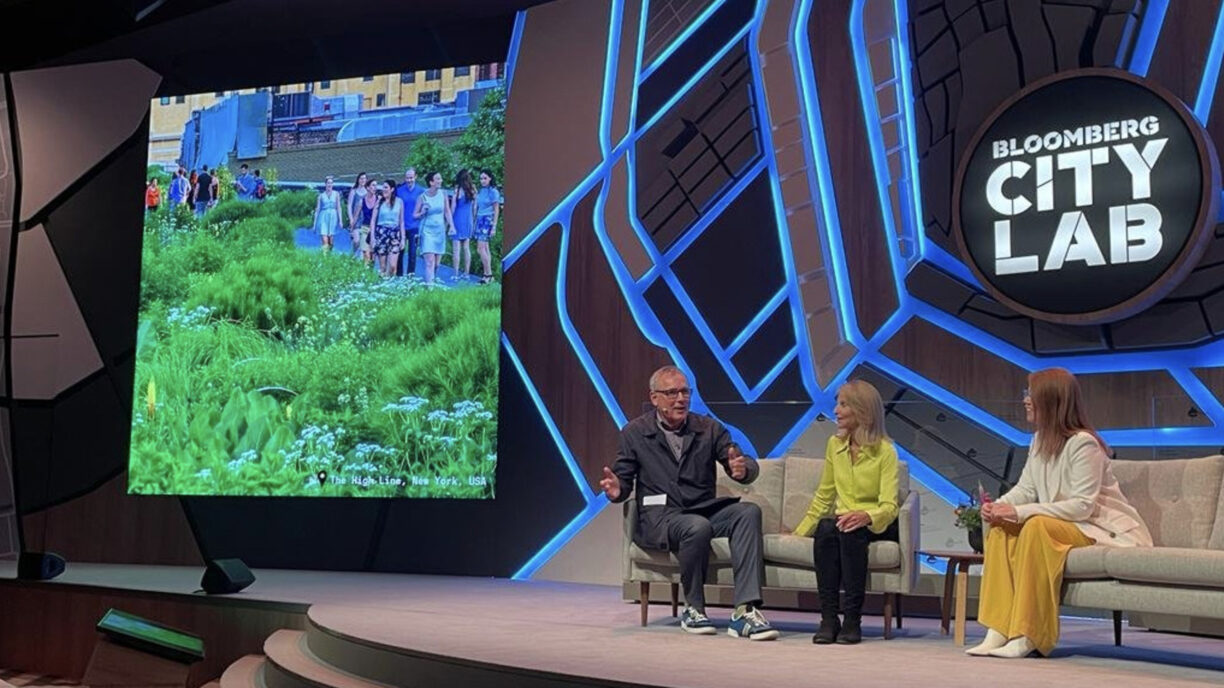
Omar Delawar has worked with the government of Dubai for over 15 years, making the city more attractive for its inhabitants and visitors through projects like Citywalk, Bluewater, and La Mer. Today he is an expert advisor for the Saudi Government on urban policies, urban transformation, smart cities, and urban governance, helping them to achieve their Vision 2030. Jens Hoffmann, COO of LAND, had a conversation with Omar about a people-centric approach to urban planning, micro-mobility in an auto-centric region, and bold initiatives.
People are very keen on open spaces. The Arabs naturally love nature. You go hiking, we go camping in the desert. And we all love a city because of the public realm.

Omar Delawar, expert advisor for the Saudi Government and CEO of DHB Holding in Dubai & Riyadh
Jens: The KSA is engaged in an ambitious plan of cultivating urban landscapes. What are the main topics?
Omar: In general, we can say that the approach to open space has changed. Today, existing and future cities are planned people-first. The experience of the pandemic led to a greater focus on the public realm and the necessary urban transformation. Secondly, there is a significant increase in the use of micro-mobility, which is only possible if proper open spaces exist in the public realm. Thirdly, there is a huge demand to increase the capital shared for green spaces. And of course, another big topic is Saudi Arabia’s contribution to fighting climate change.
Jens: We could say that the public realm becomes an extended living room outside of private homes. A joyful place where people can meet and mingle.
Omar: The shift of conservative social and cultural habits among Saudi citizens during the past 10 years has significantly grow the focus and investments to public realms across the kingdom. I think local society has realized the importance of open space in enhancing the quality of life within cities and they are using their rich and breathtaking landscape to do that. It’s no longer about an attractive building or an expensive shopping mall, as it was around 2002. We are talking about a complete urban transformation of the public realm to help improve the quality of life of its inhabitants as well as to attract global talent and increase tourism.
Jens: We can foresee that changes in the urban landscape will also result in a social transition.
Omar: In my mandate as an advisor to the Saudi Government, we have developed guidelines that help people, when they design their own homes, to relate back to the public realm and its vision. Previously, we had block compounds that fenced people away from open space. Now, we are inspiring them how to connect the private realm and public realm architecturally and socially and how this can economically benefit people. The Ministry of Municipal & Rural Affairs and Housing – which currently controls urban transformation – leads by example and has recently torn down the fences surrounding their ministry’s garden in central Riyadh, making the park accessible to the public.
The Saudi Government in some areas is providing vision guidelines to others to be translated into projects. They are planning to redesign many streets across the kingdom to be considered as exemplary projects showcasing the transformation ideology of Saudi cities – e.g., introducing pedestrian areas or creating super blocks where micro-mobility can be increased. There is a huge amount of effort from the government for urban transformation across all cities and regions in the Kingdom.
It’s no longer about an attractive building or an expensive shopping mall, as it was around 2002. We are talking about a complete urban transformation of the public realm to help improve the quality of life of its inhabitants as well as to attract global talent and increase tourism.
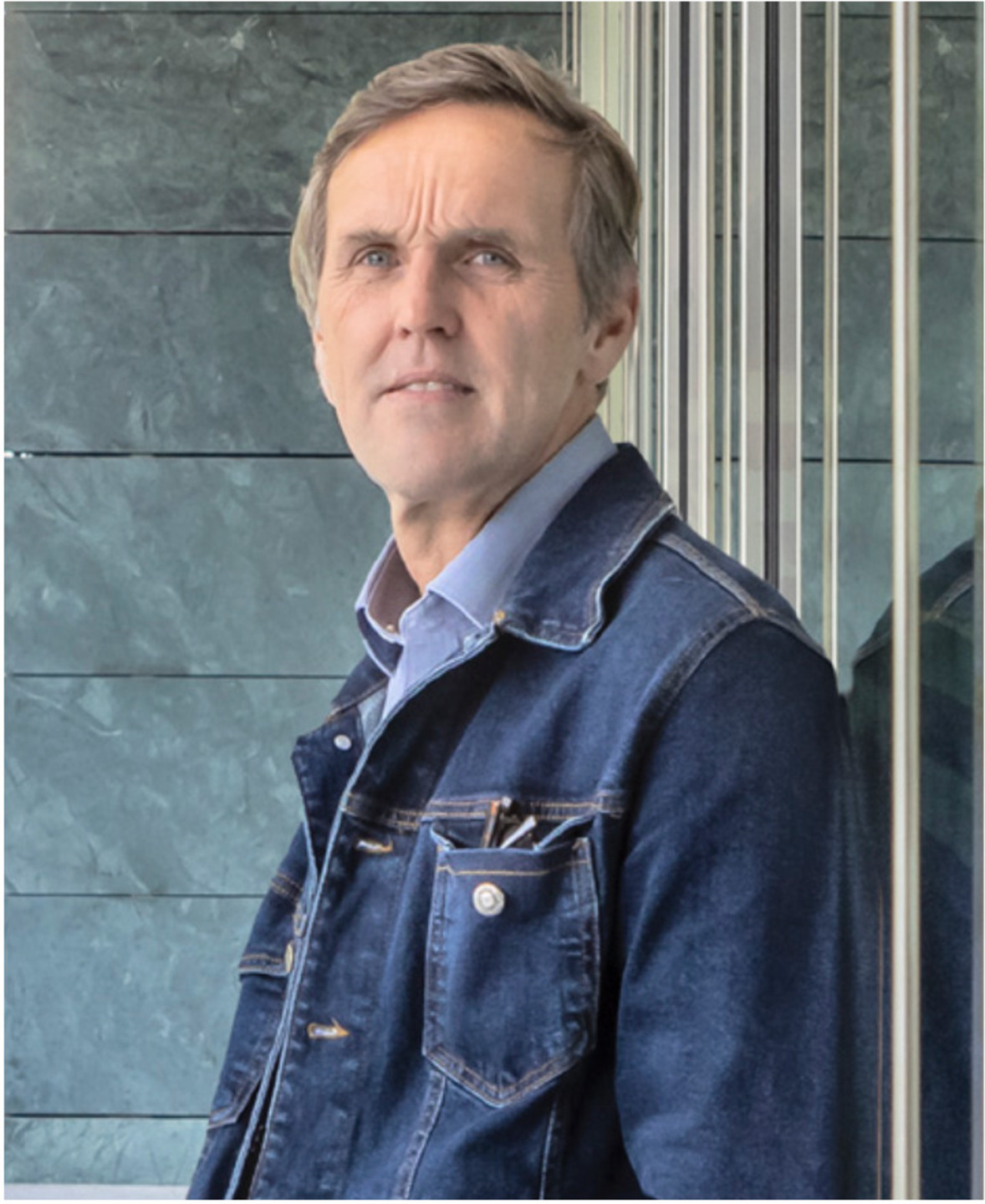
Jens Hoffmann, COO LAND
Jens: Saudi Arabia aims to plant 10 billion trees in the coming decades. Where are all these trees coming from? And how can the problem of water management be solved?
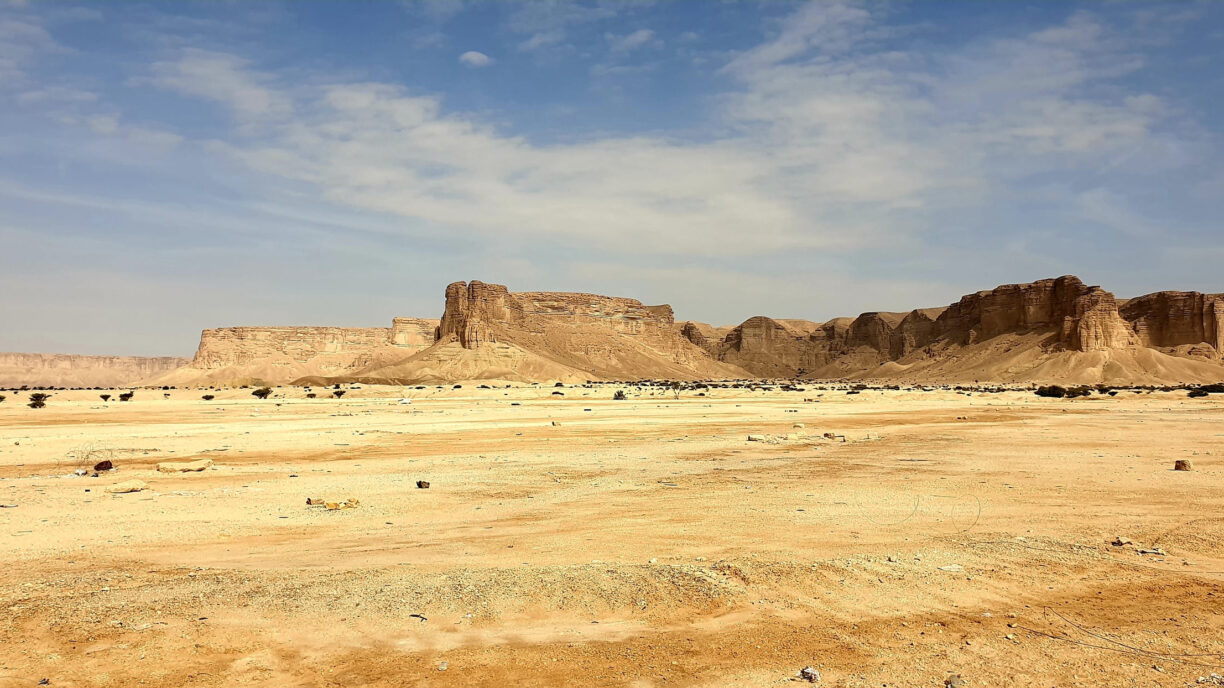
Omar: It’s a controversial topic for a country with one of the lowest precipitation rates. However, they are contributing to global initiatives and want to resolve a few of their own problems, some of which include reducing the temperature by 2° C, improving air quality, and reducing dust. But they will need to face their challenges, such as water management, which I believe is still a concern. The KSA is the third highest country per capita for freshwater consumption in the world. In my opinion, some of the large-scale projects could also modify the natural environment, affecting the desert ecosystem in the KSA.
Jens: After sundown, parks and public squares are full of people. What relationship do Saudis have with nature?
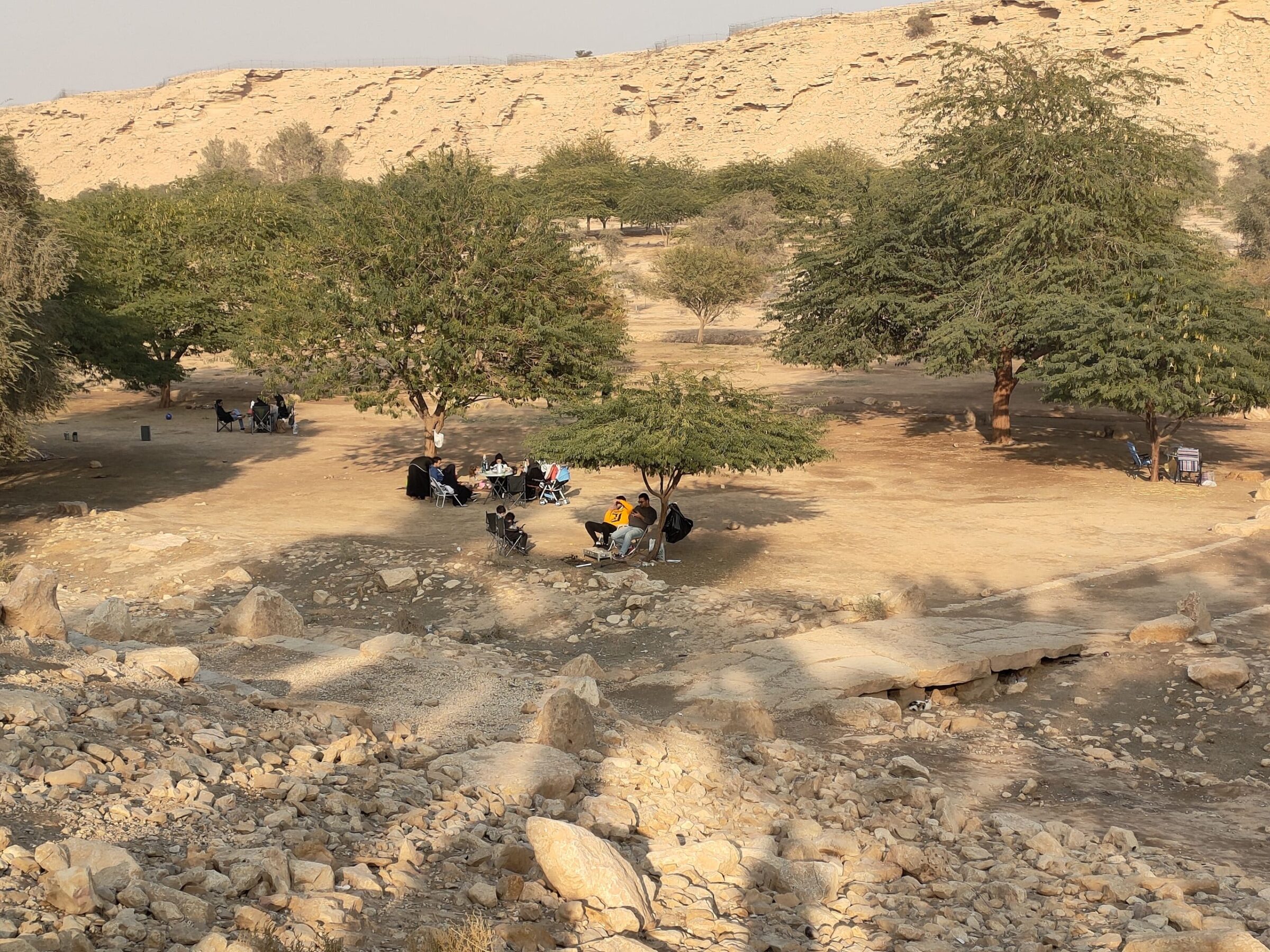
Omar: People are very keen on open spaces. The Arabs naturally love nature. You go hiking, we go camping in the desert. And we all love a city because of the public realm.
Jens: It’s also about building a different urban environment for the next generation and bringing nature into the city.
Omar: Yes. Unfortunately, the Middle East is very auto-centric. This is an inheritance from the US. In my opinion, the American Dream created a massive urban sprawl, when cars became available for everyone. So, to no surprise, the majority of national housing projects are about housing, not closed communities. The car remains the center, and I don’t believe it could ever be reduced, looking at how cities have been designed in the Middle East. But what we are trying to increase as professionals are Super-Blocks, where closed communities can thrive and micro-mobility becomes possible.
Jens: Yes, Super-Blocks function like urban cells within the metropolis at a human scale. What can the Western world learn from the climate actions of the KSA?
Omar: The Kingdom has two big challenges: extreme weather & harsh environment as well as an economy led by gas & oil. Yet, they are announcing and pursuing bold green initiatives. I am impressed with the vision, the leadership, with the enthusiasm everyone has for the change for the better. Riyadh, for example, has completely changed in the past few years. It’s greener, it’s more connected, more enjoyable and liveable, and there’s still more to come.
The public realm becomes an extended living room outside of private homes. A joyful place where people can meet and mingle.
LAND is currently designing the large scale Al Urubah Park project as lead designer within the Green Riyadh initiative. This 70-ha green citadel in the middle of Riyadh also has the special task of acting as a large water catchment basin during storm surge rains. LAND is also developing the Public Realm Design for the National Housing Company in the Al Khuzam Development. Here, an 8 Km-long city park offers residents the opportunity to get away from the city and immerse themselves in nature, thanks to a long, concave green valley.
Read other Articles from this Edition