Landscape architecture is a living matter
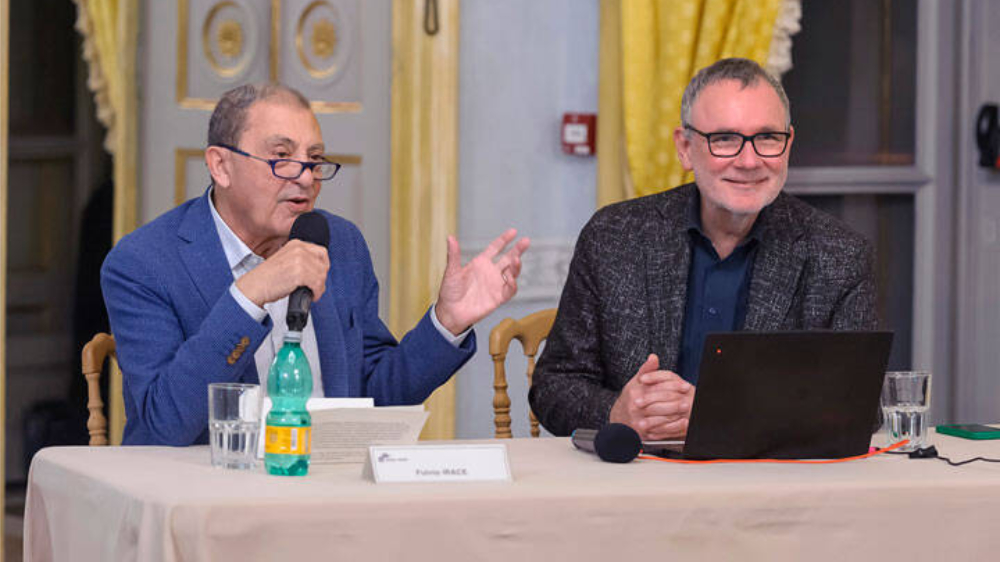
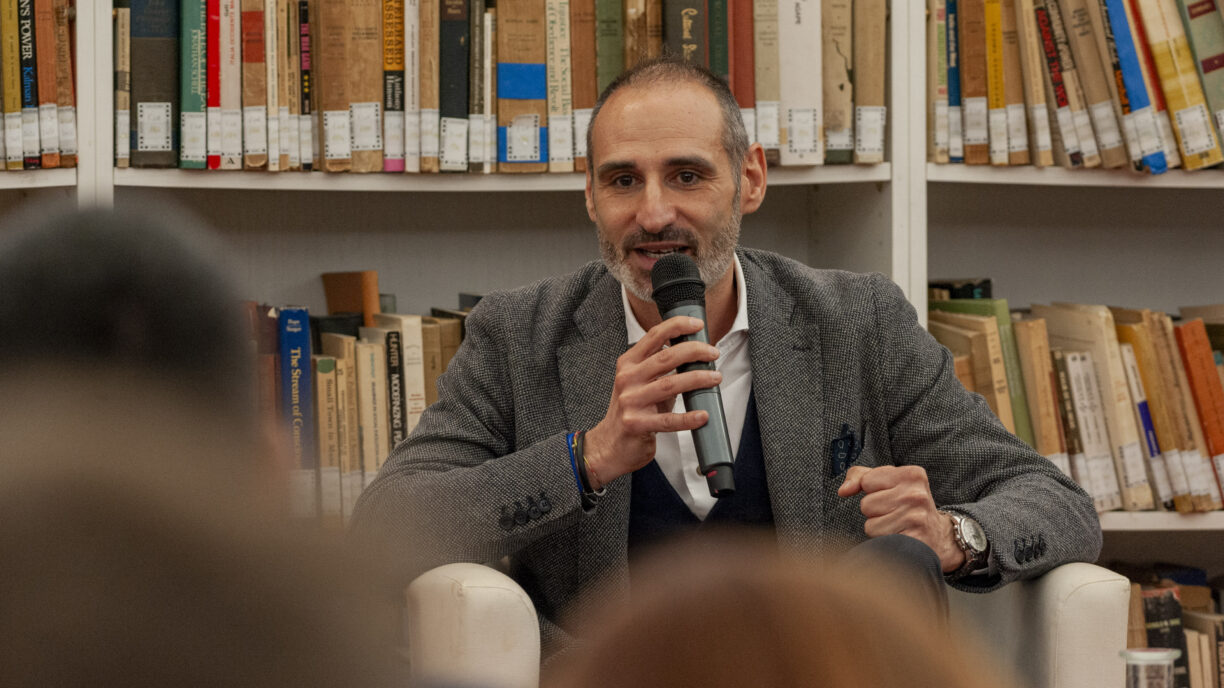
What's the future of landscape architecture? On the winter and first student-led issue of Landscapes | Paysages, the magazine of the Canadian Society of Landscape Architects (CSLA), Andreas Kipar engages in an inspiring conversation with Daniel Roehr, Chair of Landscape Architecture at the University of British Columbia, discussing the perspectives and aspirations of a new generation of professionals.
Landscape architecture is continually evolving to address today’s global challenges. As the discipline expands, professionals must consider the cultural differences among countries and the structural distinctions between academic systems.
This starting point marks a paradigm shift in professional education, not only in Canada but all over the world. Professors Andreas Kipar and Daniel Roehr agree on the importance of equipping students with a diverse range of skills to fully embrace the interconnected nature of the landscape.
So, natural sciences must integrate with innovative tools to raise awareness and position landscapes as drivers of sustainable development. Present and future professionals are called to interpret the ongoing evolution of the land, society, and economy, with the goal of uncovering the vocation of places in every project.
Such holistic thinking demands interdisciplinarity in every approach to the discipline. Daily dialogue with local communities, understanding environmental differences, and considering socio-economic contexts must go hand in hand. The multisensory literacy promoted by professor Roehr in landscape architecture engages vital issues of empathy and identity impacting human wellbeing.
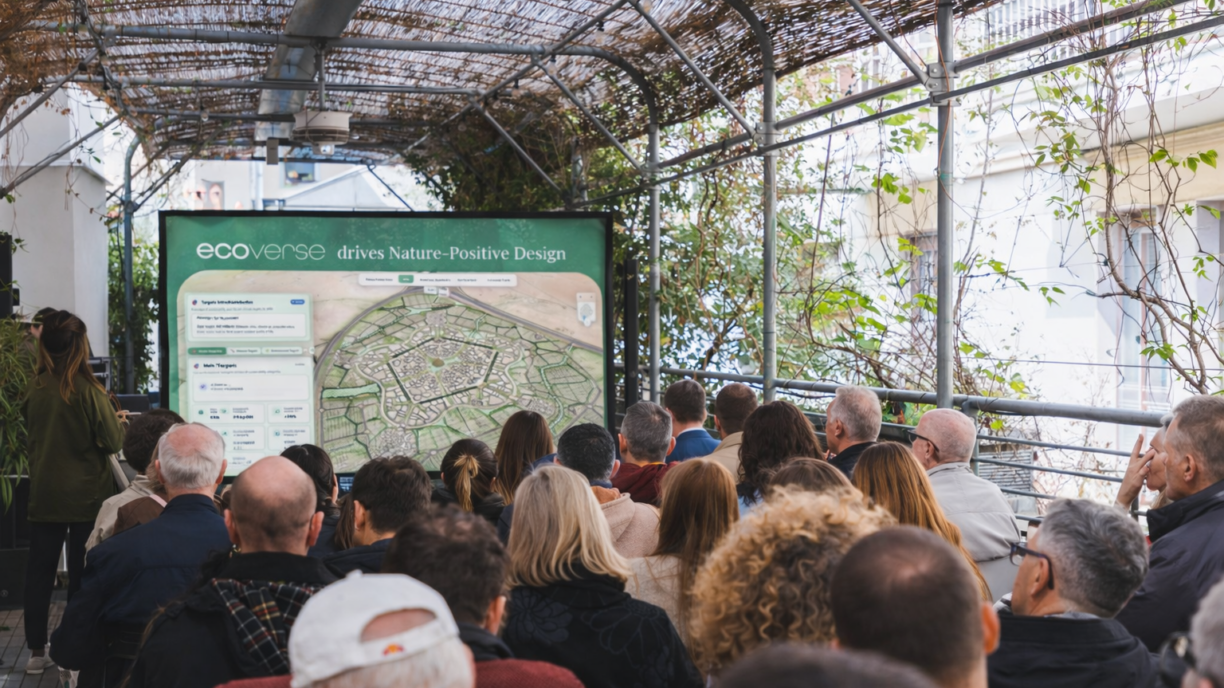
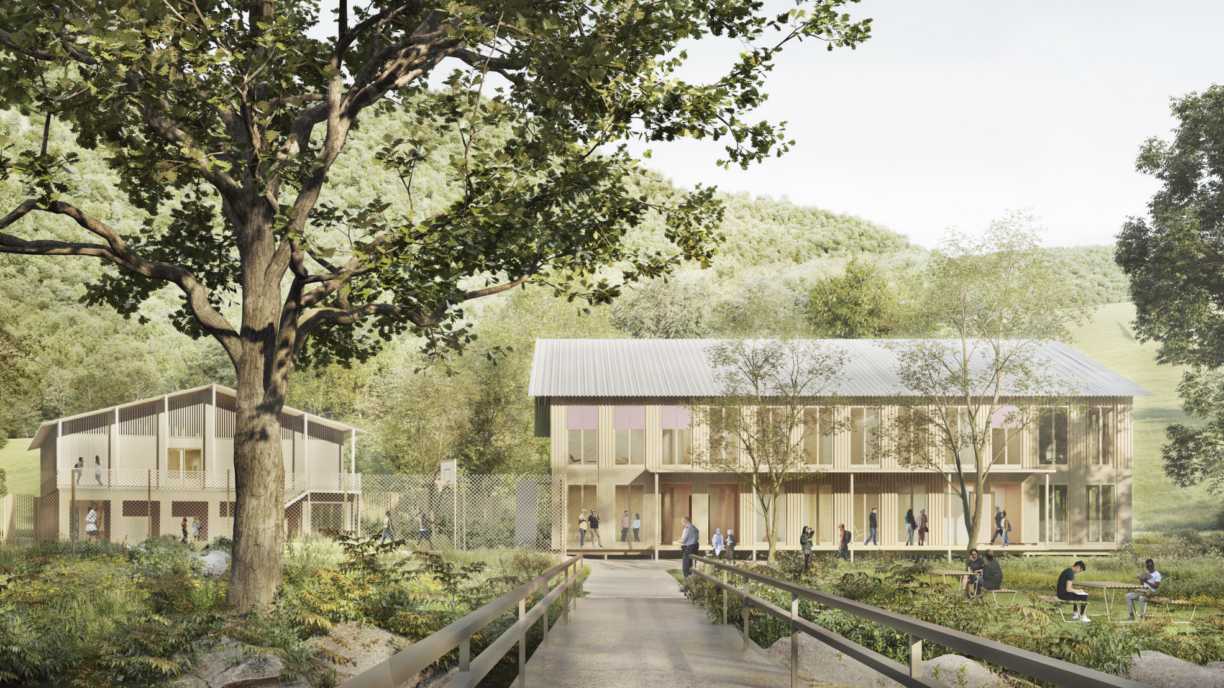
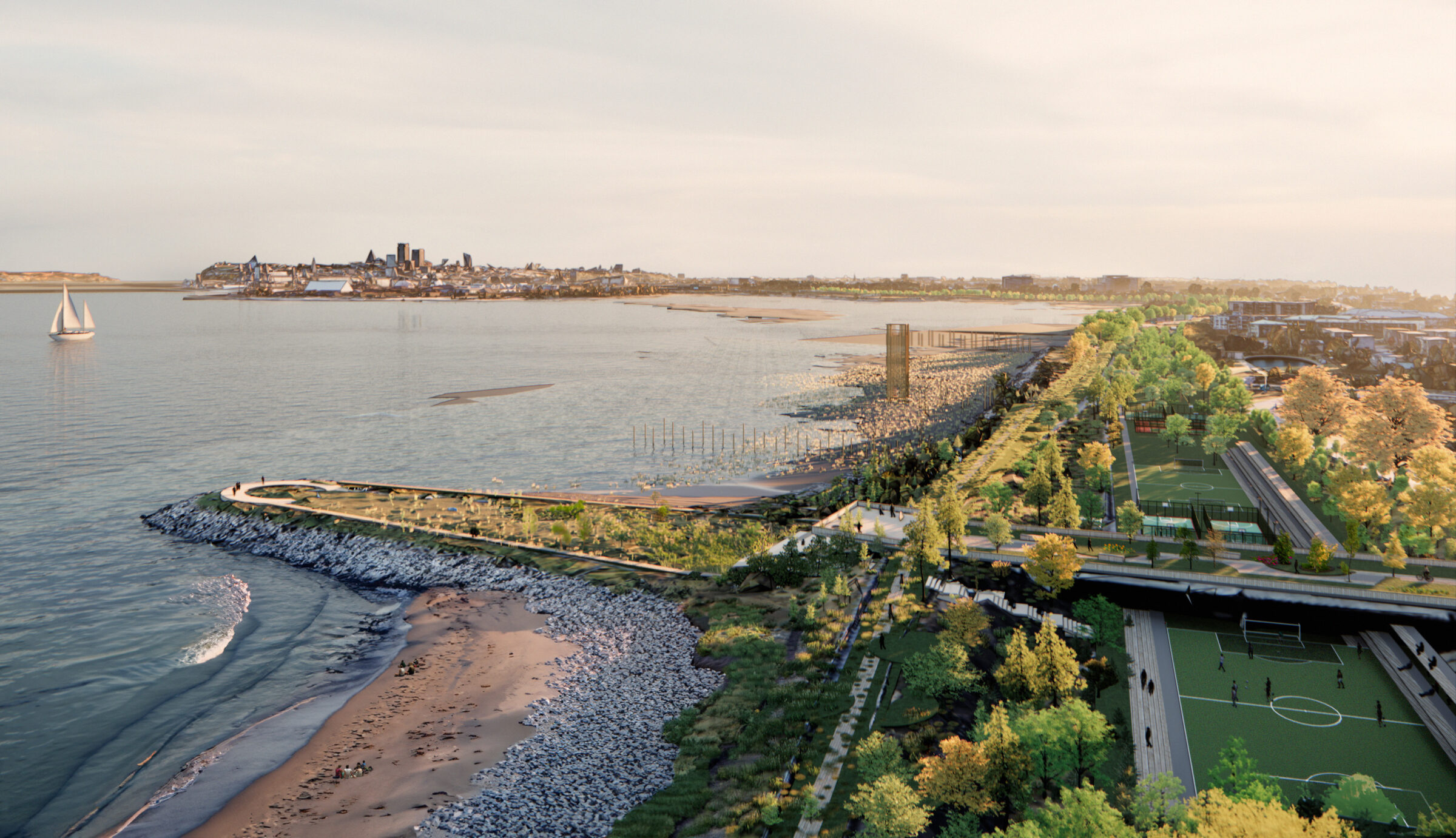
That’s what Andreas Kipar calls “Nature-Positive Landscape”: a productive, ecologically valuable landscape that meets the specific needs of communities to enhance their quality of life. Acting as a social catalyst, landscape design can merge ethics and aesthetics to shape the future of the profession.
The approach of LAND Canada’s CEO aligns with the mission of the consultancy firm to improve people’s well-being and environment through the implementation of climate-positive solutions and participatory processes that lead to sustainable development.
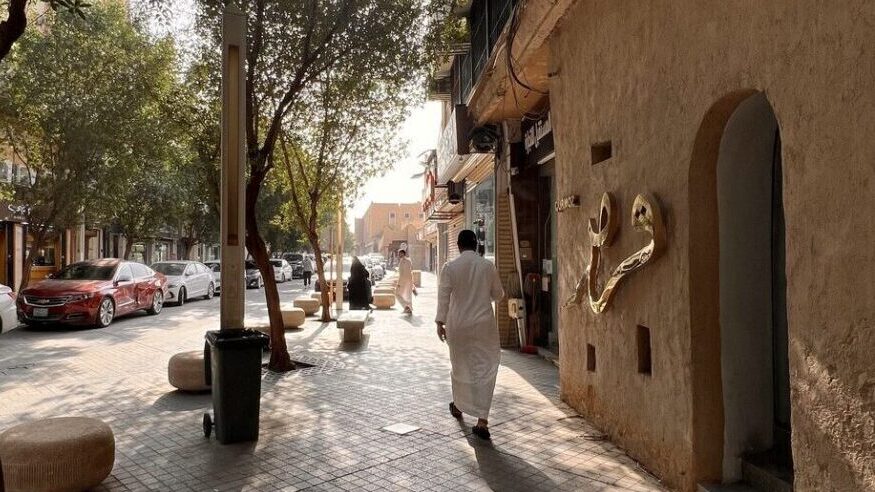
This future is driven by the urgent need to reintegrate nature into urban environments, breaking up the concrete and reintroducing natural elements into every street and square. Such a transformation is only possible through inclusive design and community participation.
By following this path, nature will take center stage, and cities will evolve into vibrant urban landscapes.