LAND at REAL CORP 2026: Advancing Climate-Responsive Planning through AI
On March 23, we took part in REAL CORP 2026, the 31st International Conference on Urban Planning, Regional Development and the Information Society, held in Vienna.
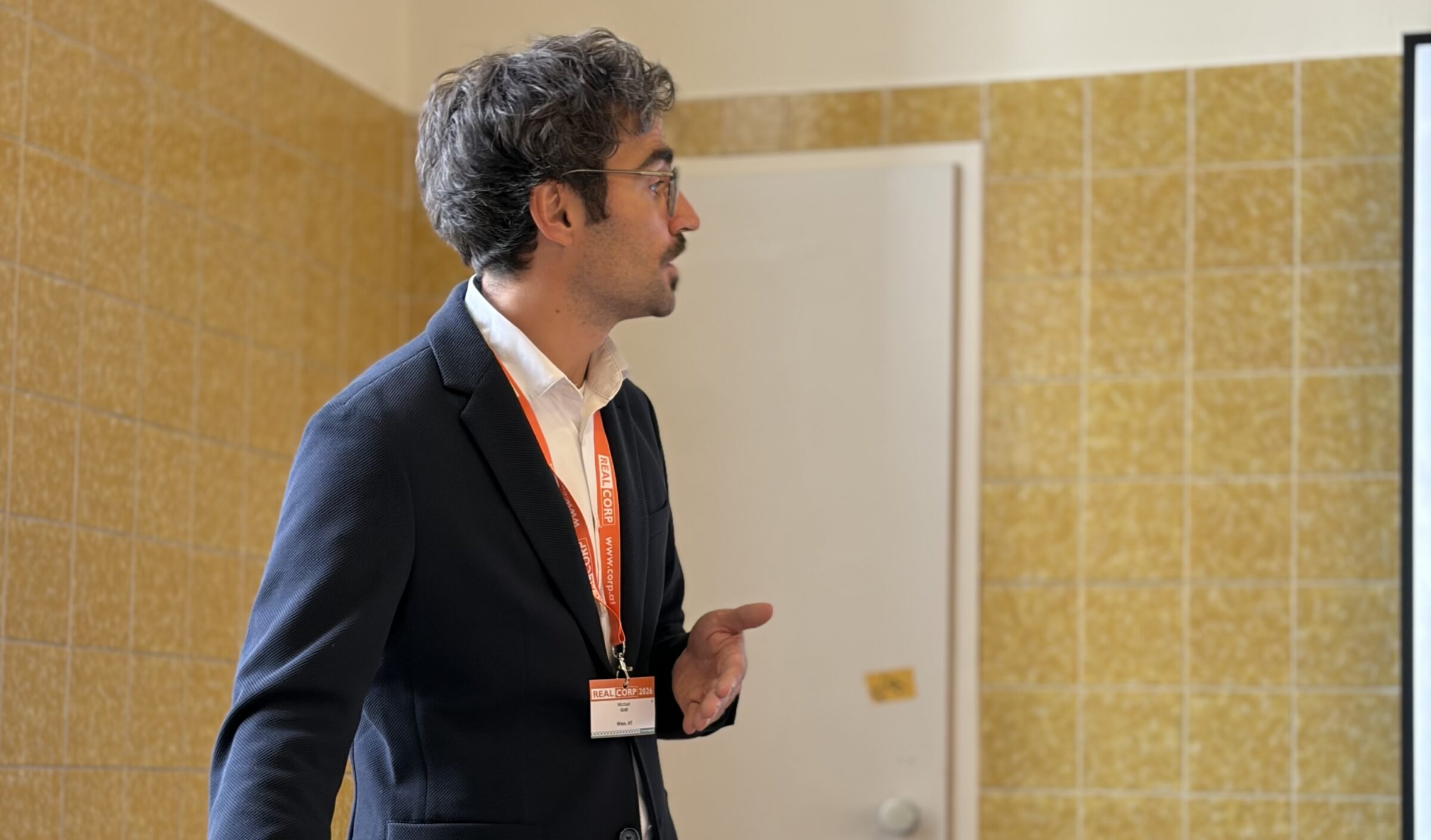
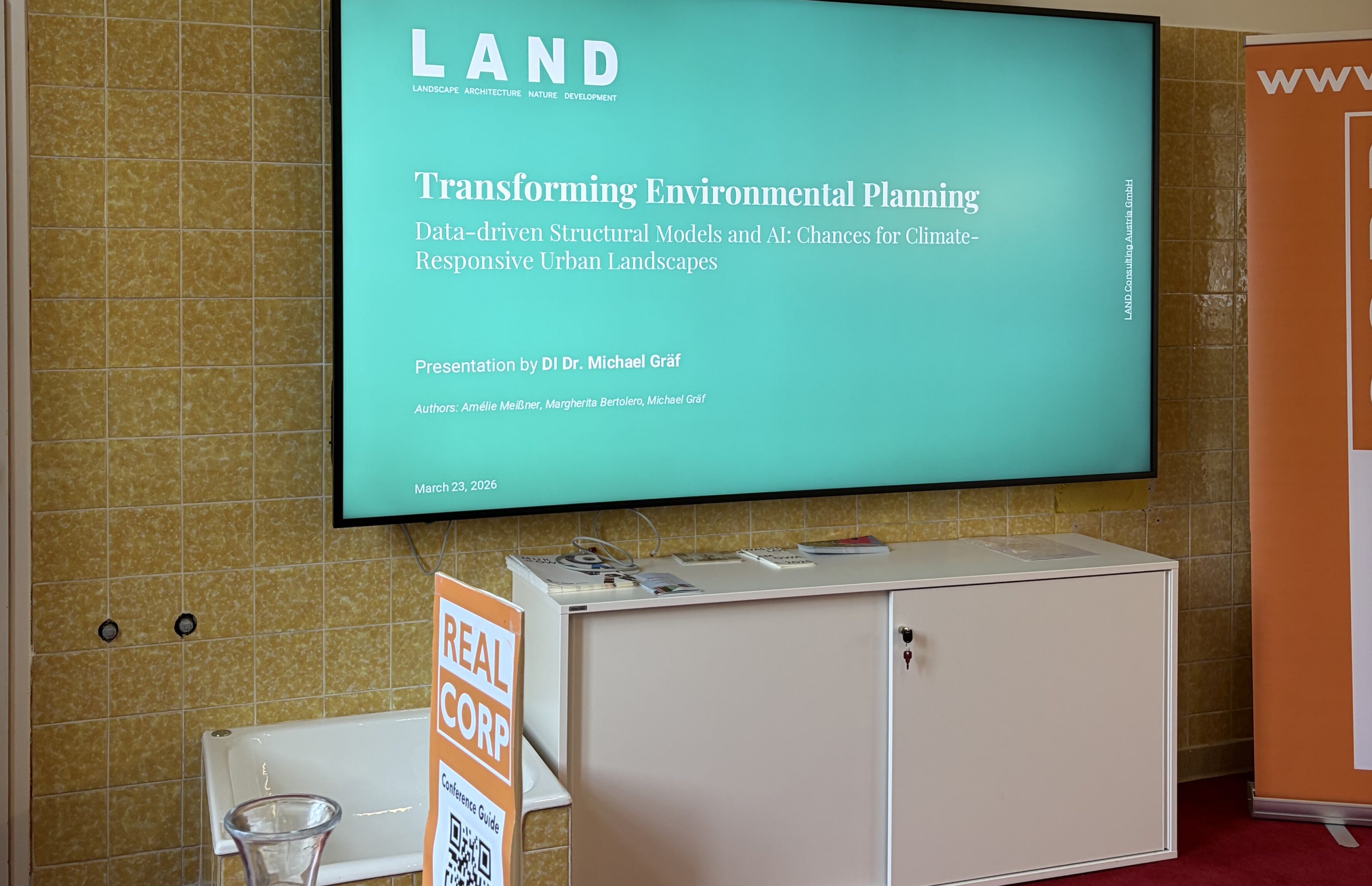
As part of the session “AI & IT in Spatial Planning”, Michael Gräf, Director at LAND Austria, together with Amelie Meißner, presented the paper:
“Transforming Environmental Planning through Data-driven Structural Models and AI: Chances for Climate-Responsive Urban Landscapes in Riyadh, Saudi Arabia.”
Exploring the role of AI in shaping resilient landscapes
The presentation focused on how data-driven structural models and artificial intelligence can support a more responsive approach to environmental planning, especially in regions facing increasing climate pressure.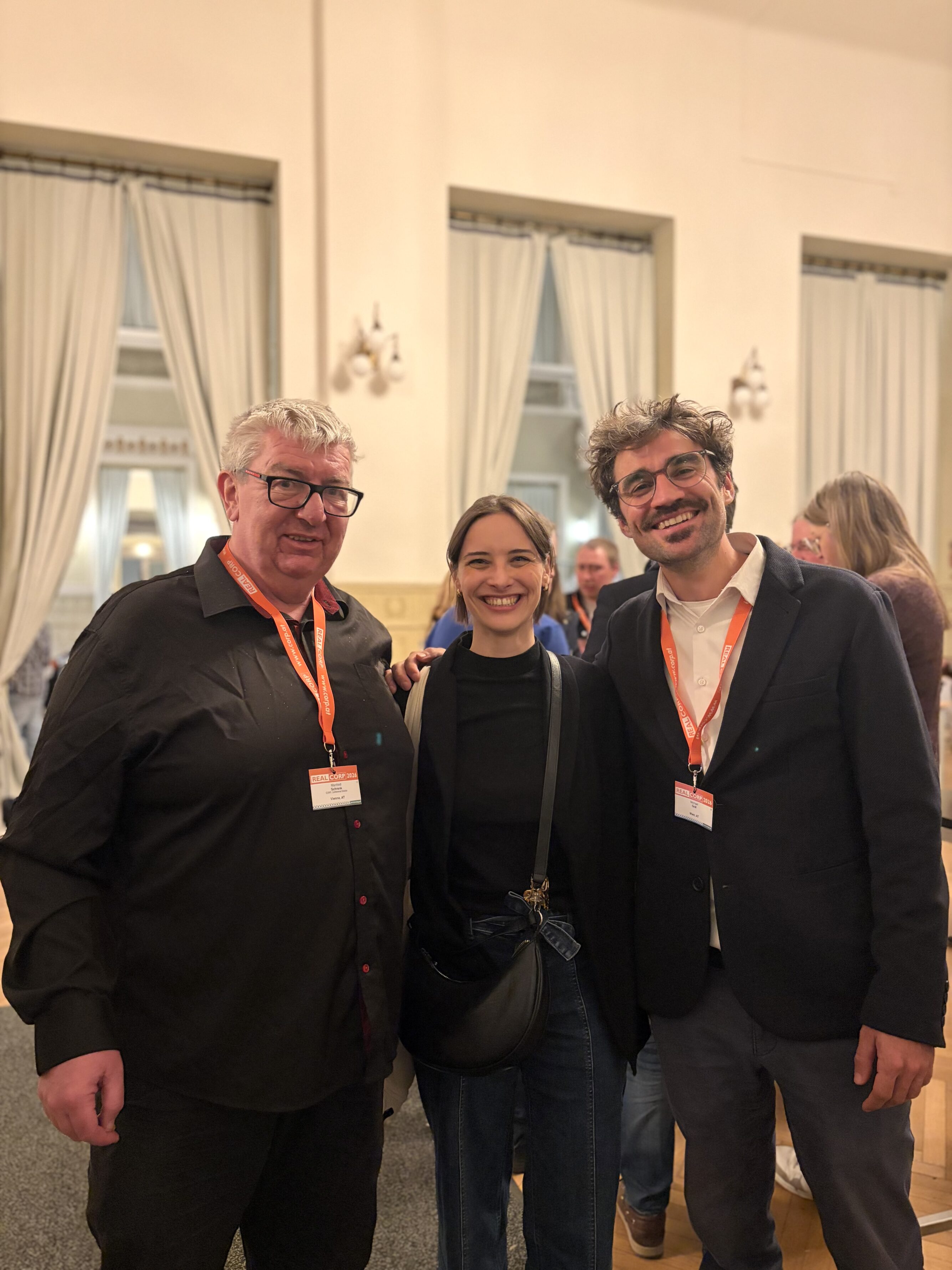
Using Riyadh as a case study, the contribution highlighted how advanced analytical tools can help:
- anticipate environmental dynamics
- guide decision-making processes
- integrate climate considerations into spatial planning strategies
At the core of the discussion was a key question: How can innovation and AI be applied to generate real quality for both people and the environment?
A global platform for exchange
REAL CORP continues to be a key international platform bringing together researchers, practitioners, and policymakers to address the evolving challenges of cities and regions.
This year’s edition focused strongly on the impact of AI, digitalisation, and data on planning processes, while reinforcing the importance of collaboration, knowledge exchange, and interdisciplinary thinking.
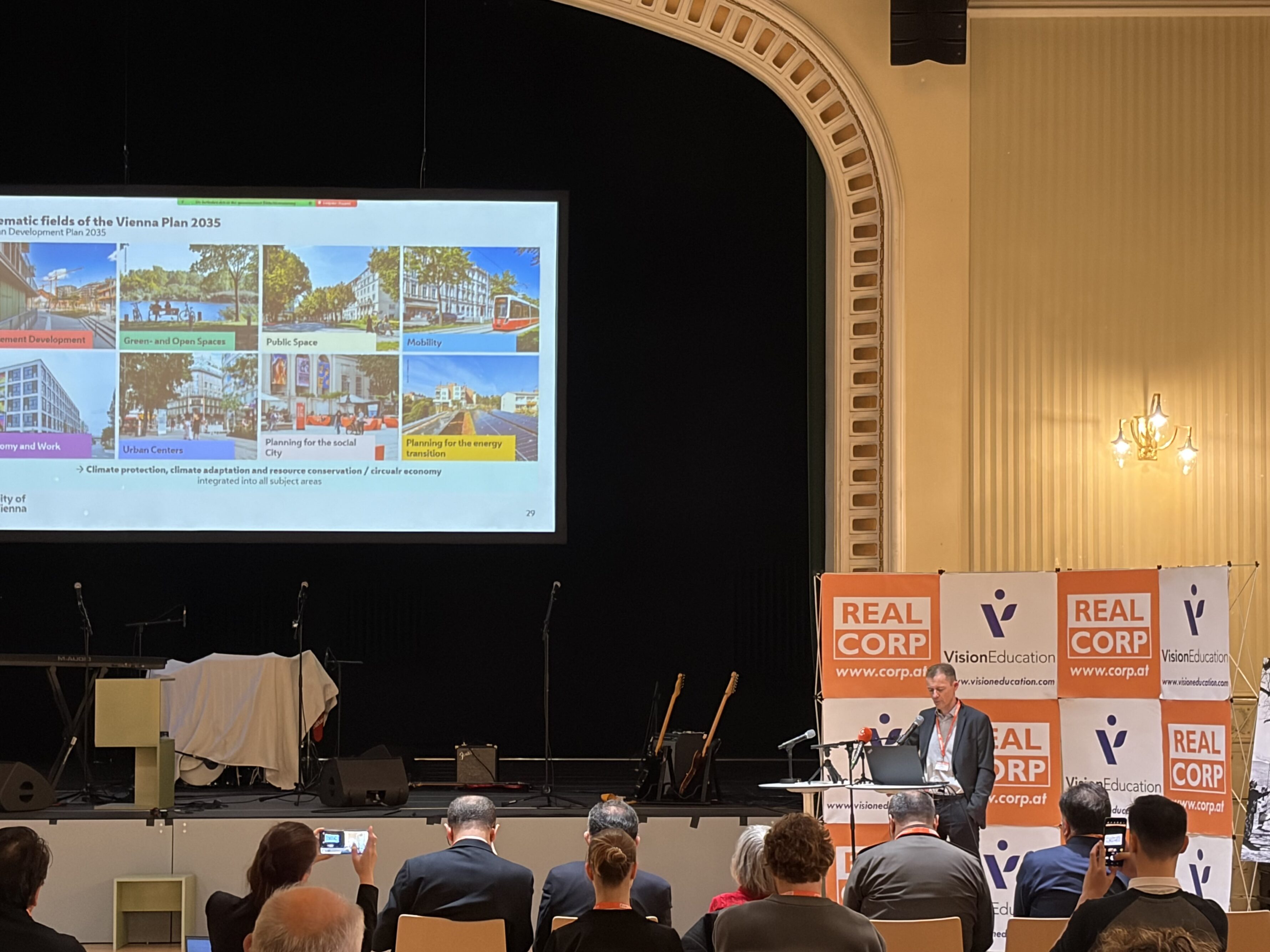
With participants from over 30 countries, the conference provided an important space to connect perspectives and explore how technological innovation can support more resilient and inclusive urban futures.
Continuing the conversation
LAND’s participation in REAL CORP 2026 reflects our ongoing commitment to exploring, collaborating, and cultivating new approaches to landscape and urban design.

As cities continue to evolve under the pressure of climate change and technological transformation, integrating data, design, and ecological thinking remains essential to shaping meaningful and lasting environments.
Don't miss out on our inspiring project stories, the latest research, and more.
All mandatory fields are marked with a *