From Ontario to British Columbia: highlights of our ‘Canadian Week’
During a week of institutional meetings, site visits, lectures and roundtables spanning from Toronto to Vancouver, Andreas Kipar, Nikolas Neubert, and Valeria Pagliaro made significant strides in expanding our network across Canada.
We witnessed firsthand the future visions of Toronto and Vancouver amid real estate uncertainties and challenges like affordability and climate change. A dialogue enriched by the contribution of our partners and collaborators, demonstrating how public–private collaboration must follow a holistic approach, placing Nature and People at the core of development.
In recent months, Canada has been undergoing major transformations that do not overlook environmental considerations. The resignation of Steven Guilbeault, Minister of Canadian Identity and Culture and Minister of Nature and Parks, known for championing climate-pollution reduction and environmental protection, has shaken confidence in a sustainable future.
Similarly, the Canadian real estate industry is navigating a moment defined by both significant challenges and emerging opportunities. A period of market rebalancing and a “flight-to-quality” driven by persistent housing demand, tempered by economic uncertainties. The current interest in resilient assets and the caution from private developers and investors underscore how the long-term success of such ambitious initiatives will depend on the ability to align goals, timelines, and investment strategies between the public and private sectors.
Fortunately, it is increasingly clear that investments in decarbonization and resilience not only drive sustainability but also support long-term growth. According to a recent report by the World Economic Forum, the green economy generates over $5 trillion annually and is projected to exceed $7 trillion by 2030. After technology, it is the world’s most dynamic growth sector, and we firmly believe that Nature and Digital Innovation can coexist, mutually accelerating growth.
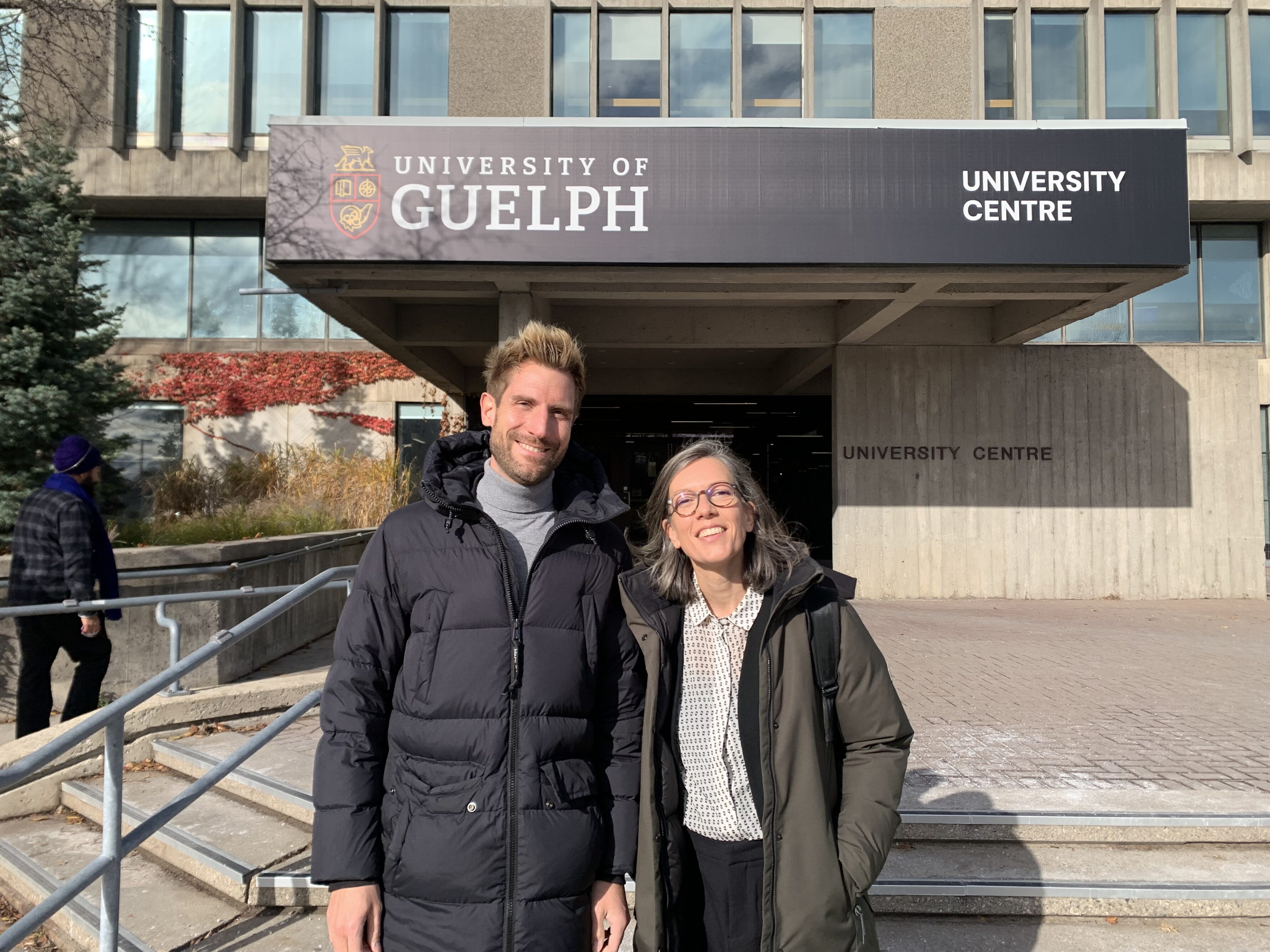
Nikolas Neubert and Valeria Pagliaro in front of University of Guelph’s University Centre
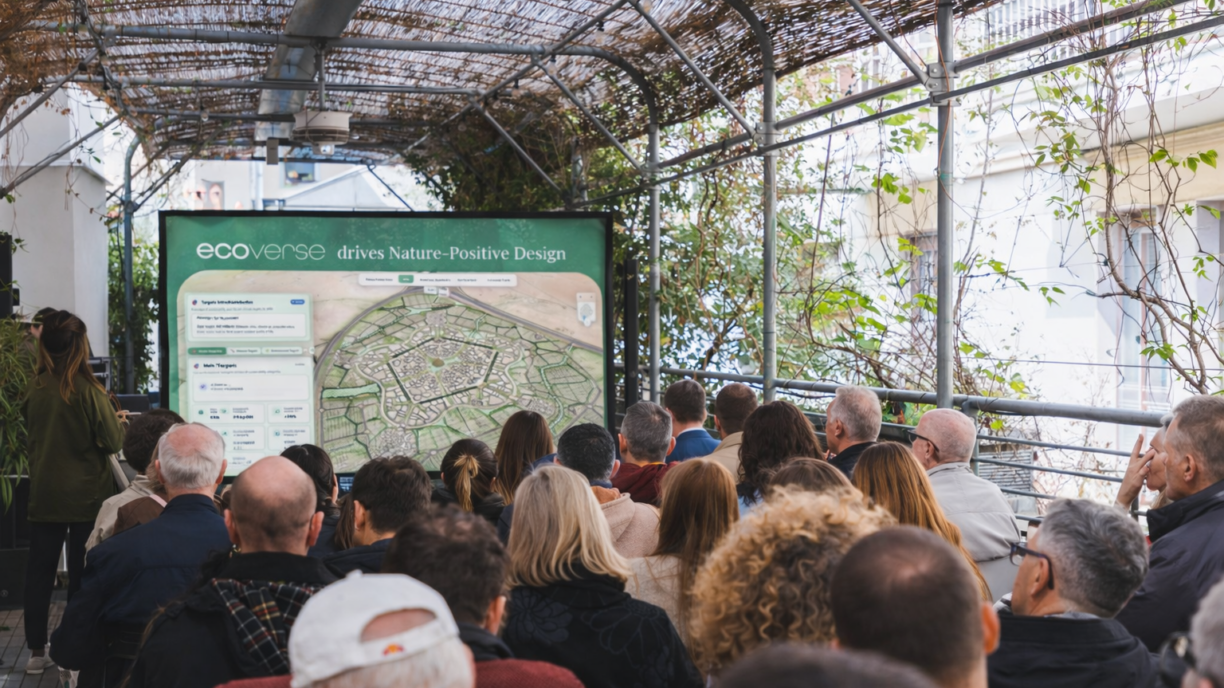
Hence, technology can help accelerate natural processes and drive the Nature-Positive transition. This point emerged clearly during Nikolas Neubert’s lecture at the University of Guelph, delivered alongside our friend and long-time collaborator, Professor Nadia Amoroso. But this was only one of the key moments of our stay in Toronto.
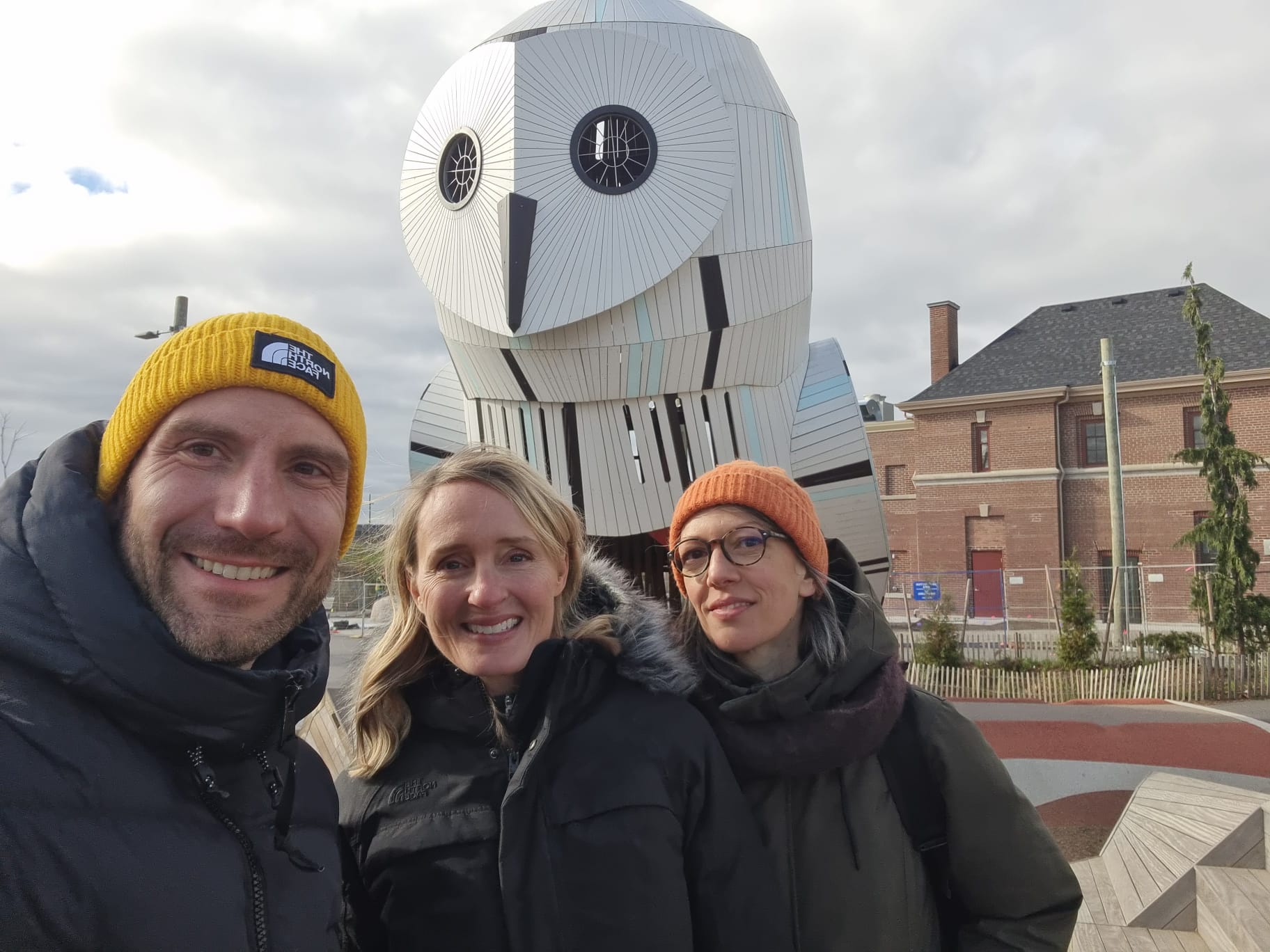
Nikolas Neubert, Shannon Baker, and Valeria Pagliaro at Biidaasige Park
Transforming Toronto
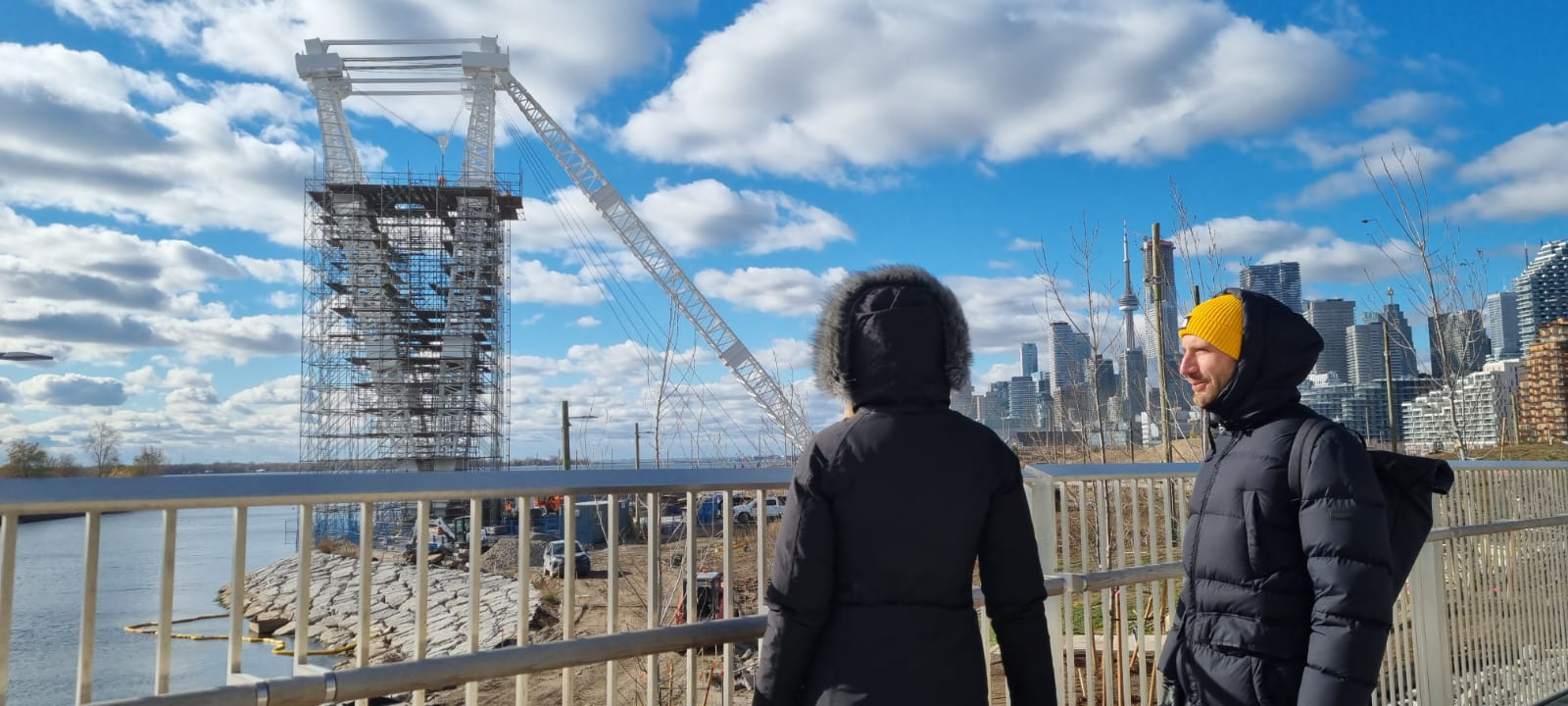
Our “Canadian Week” began along the Waterfront of Toronto, the largest urban redevelopment project in North America. Walking through this extensive 800-hectare transformation area, we sensed strong public enthusiasm behind the waterfront parks and naturalization efforts.
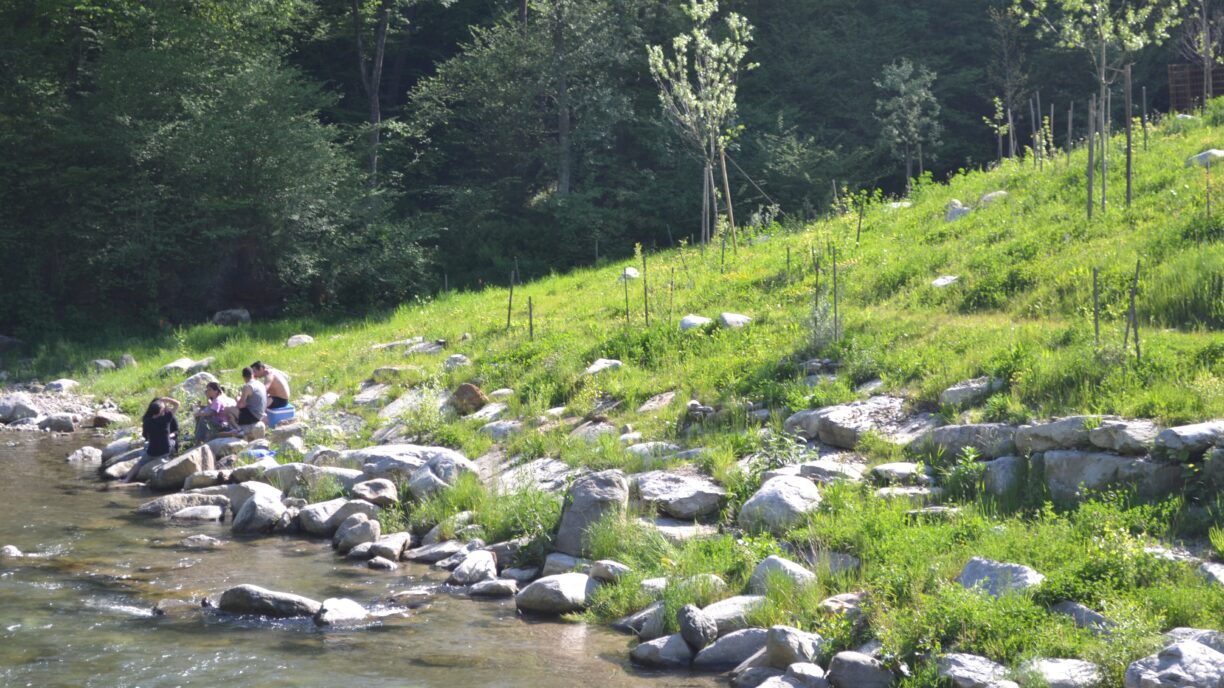
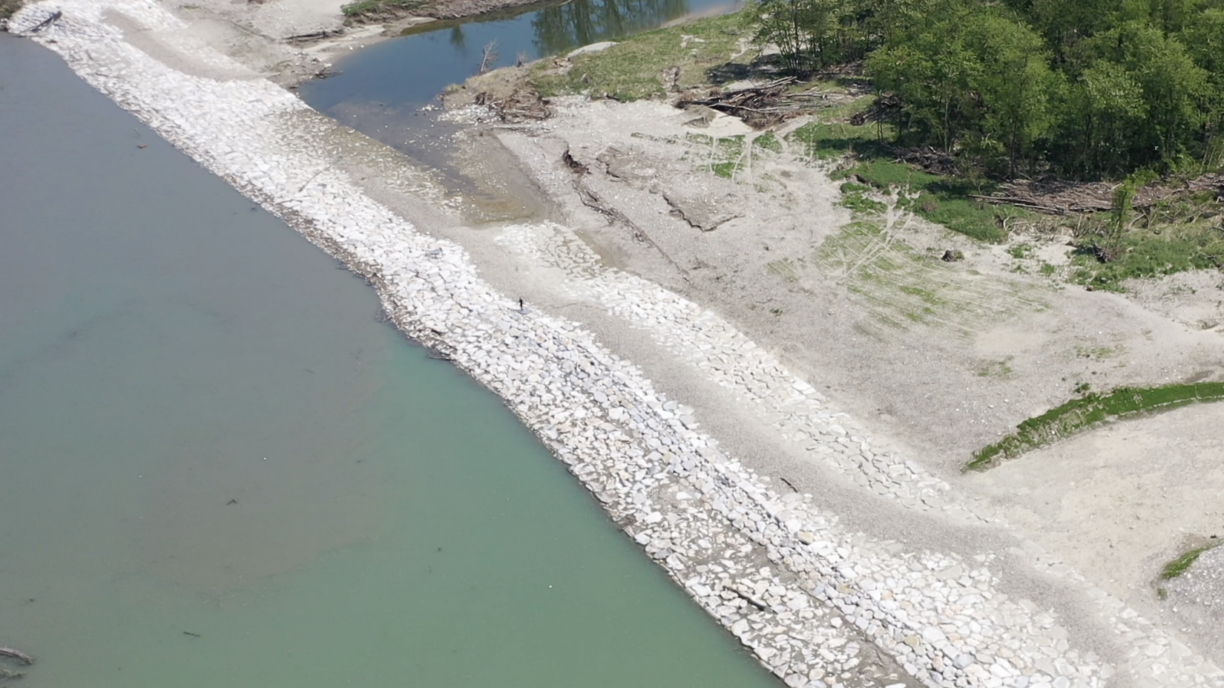
The Don Mouth Naturalization and Port Lands Flood Protection project, 290 hectares of ecological and hydraulic redesign, stands as tangible proof of this momentum, as does the 20-hectare river renaturation of Biidaasige Park, where we were guided by Shannon Baker, Project Director for Parks and Public Realm at Waterfront Toronto, giving us inspiring insights for the meetings to come.
The feeling of change was in the air even at the former Downsview airport, where with NorthCrest Devolpments we collected valuable insights on the history and future development of the YZD site, enriching our understanding of regional dynamics.
From the air to the ground, we found Toronto Chief Planner Jason Thorne’s efforts particularly transformative: enhancing urban permeability, advancing POPS (privately owned public spaces), and embedding thermal comfort into planning. These represent significant steps toward a comprehensive, long-term plan for the entire city yet to shape. A plan that may hopefully include the largest urban ravine system in the world: a network of forested valleys and rivers cutting through the city, forming a vital green lung for biodiversity.
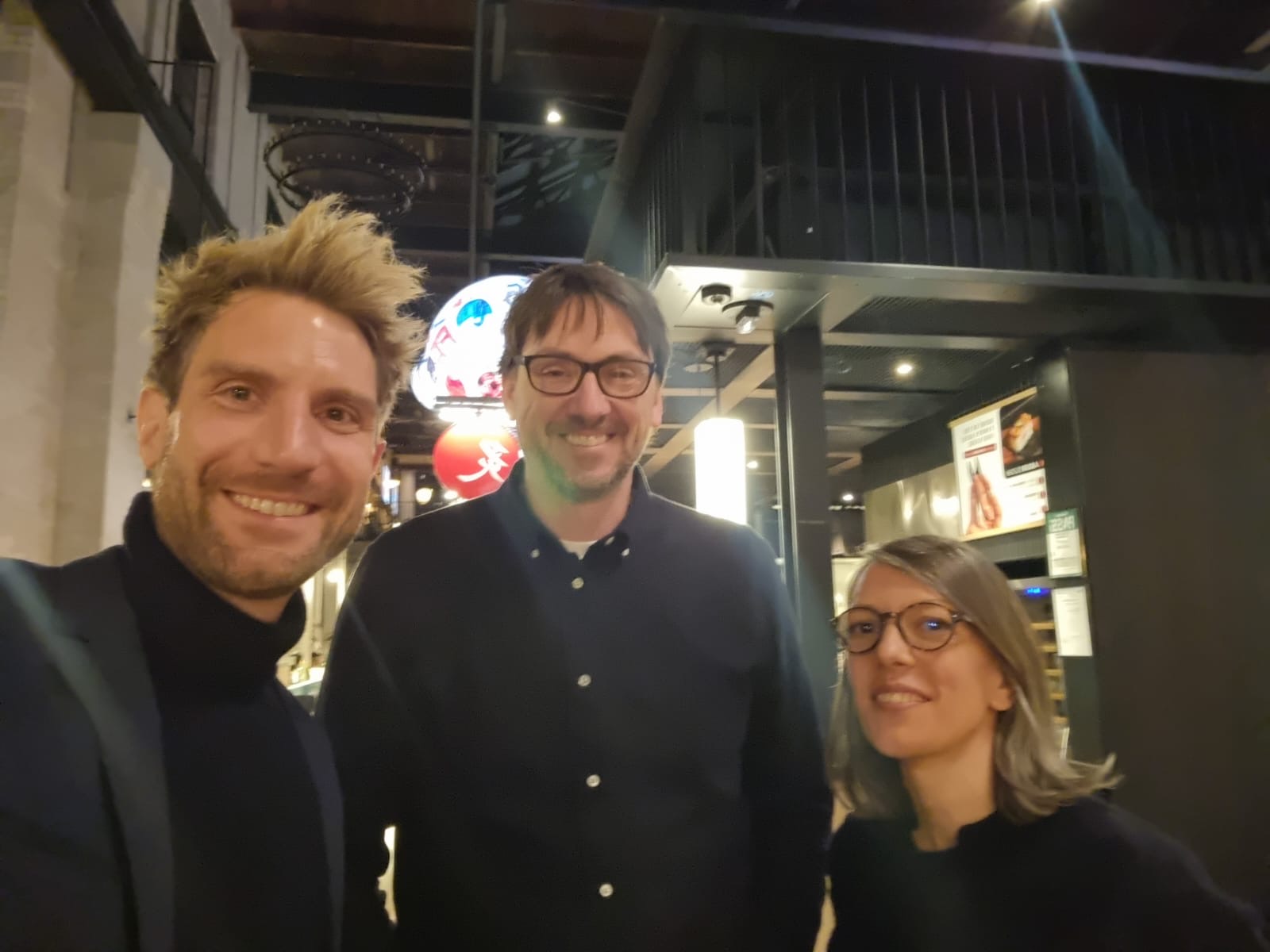
Nikolas Neubert, Jason Thorne, and Valeria Pagliaro
These encounters underscored that climate adaptation is non-negotiable and that any delay will only heighten future challenges. Our stay in Toronto reminded us that planning the future of a city means prioritizing equity, accessibility, and social resilience.
Reshaping Vancouver
In Vancouver, the balance between accessibility and stewardship intersects with unconventional public–private dynamics, with concerns lingered over reports that the city’s mayor may dismantle the dedicated climate and sustainability department.
Walking through SEFC Olympic Town, a legacy project from the early 2000s, with Margot Long we observed how water features, alleyways, and tree-lined corridors can effectively shape public spaces and create a capillary network of pedestrian connections, preserving the human scale.
Together with the Consul General of Italy, Paolo Miraglia Dal Giudice, we celebrated the joint commitment to innovation, research excellence, and construction expertise. The integration of aesthetics and technical proficiency in Natural Capital drives this contemporary Italian “Renaissance,” bound to pursuing generational projects that balance thought and action. We agreed that Nature-based Solutions form part of this shared identity: their local implementation requires the full participation of Indigenous Peoples to establish a genuine intergenerational pact.
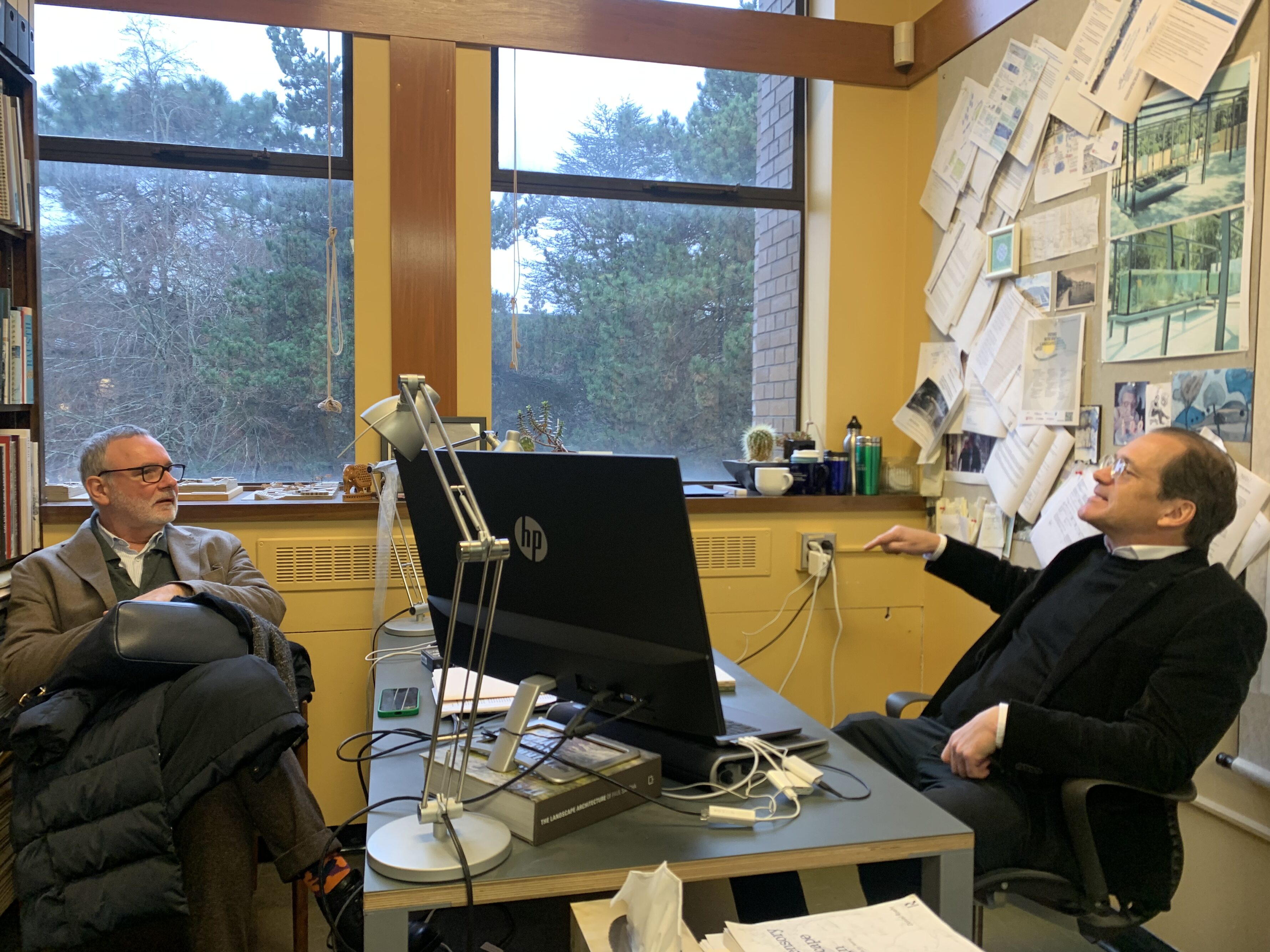
Andreas Kipar and Daniel Roehr at University of British Columbia
This spirit of collaboration was evident at the University of British Columbia, where a Biodiversity Strategy is nearing completion. Here, we learned about initiatives to restore ecological connections and integrate climate resilience into design: professor Daniel Roehr highlighted the interplay of sensory experience, biodiversity, and spatial form on a campus that functions as a city itself.
A concept replicated in the broader idea of “shifting the paradigm,” as Andreas Kipar highlighted in his lecture, “Changing climates: Navigating the future of climate action in the built environment”, calling for a reversal of traditional planning priorities: people > settlement > infrastructure.
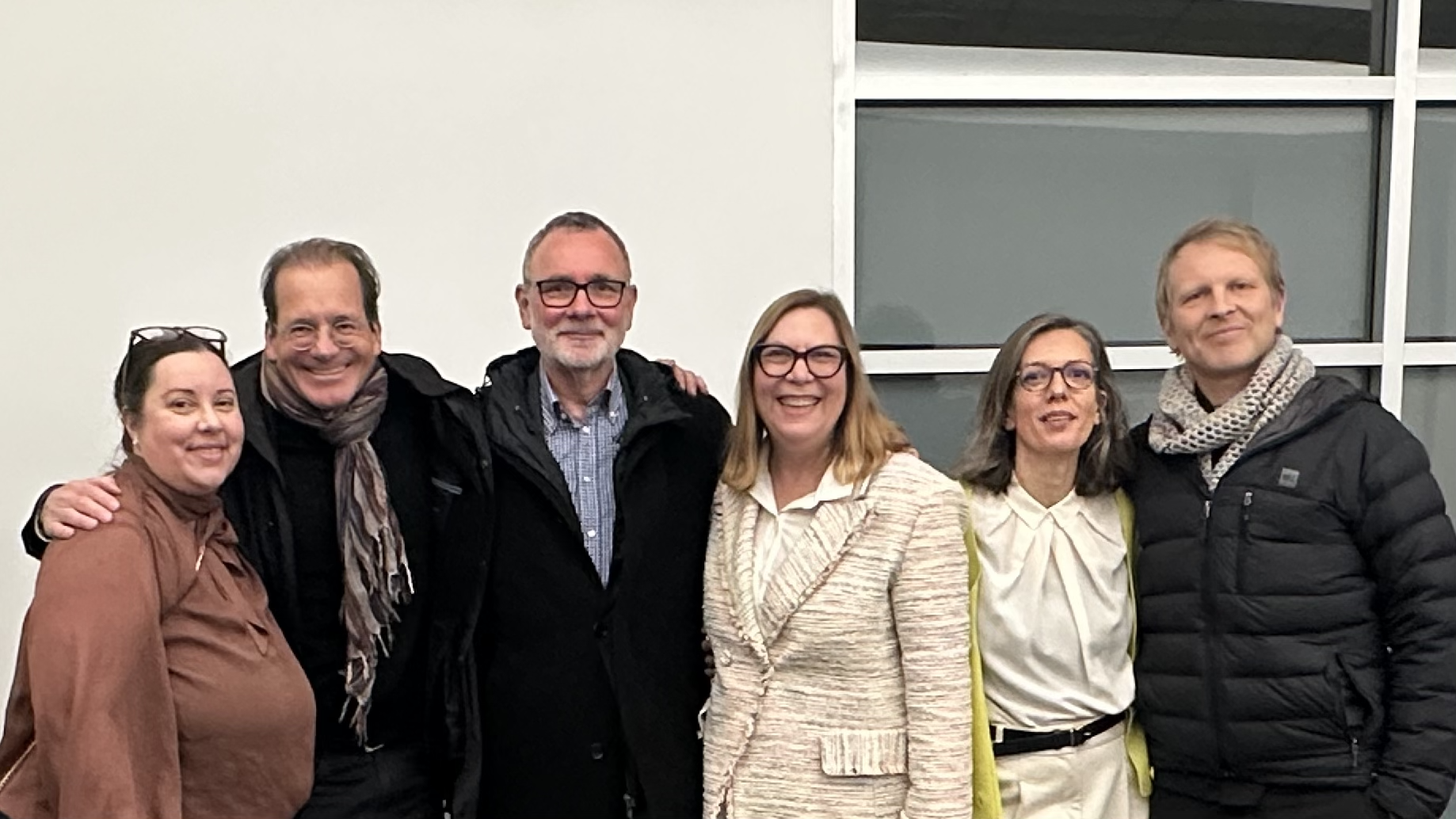
Sarah Thomas, Daniel Roehr, Andreas Kipar, Margot Long, Valeria Pagliaro, Matthew Soules
Insights from our partners and collaborators
From Ontario to British Columbia, a clear message emerged: Canada possesses the cultural foundations, scientific expertise, and community commitment to become a global leader in regenerative, Nature-Positive transformation. Realizing this vision, however, requires strategic alignment, long-term planning, and robust partnerships. Our confidence in this journey is reinforced by the insightful meetings we had with partners and collaborators across the country.
At Stantec headquarters we explored how Natural Capital Accounting can drive the shift from extractivism to regeneration,moving beyond common issues in companies’ operational practices. During our visit to KPMB, one of Toronto’s most esteemed architecture firms, featuring a LAB focused on carbon reduction and regenerative design, we examined the transformative potential of ecosystem services in shaping sustainable built environments. Together with our local partner at SpruceLab, Sheila Boudreau, we shared the ambition to grow and strengthen our network in Toronto and across Canada.
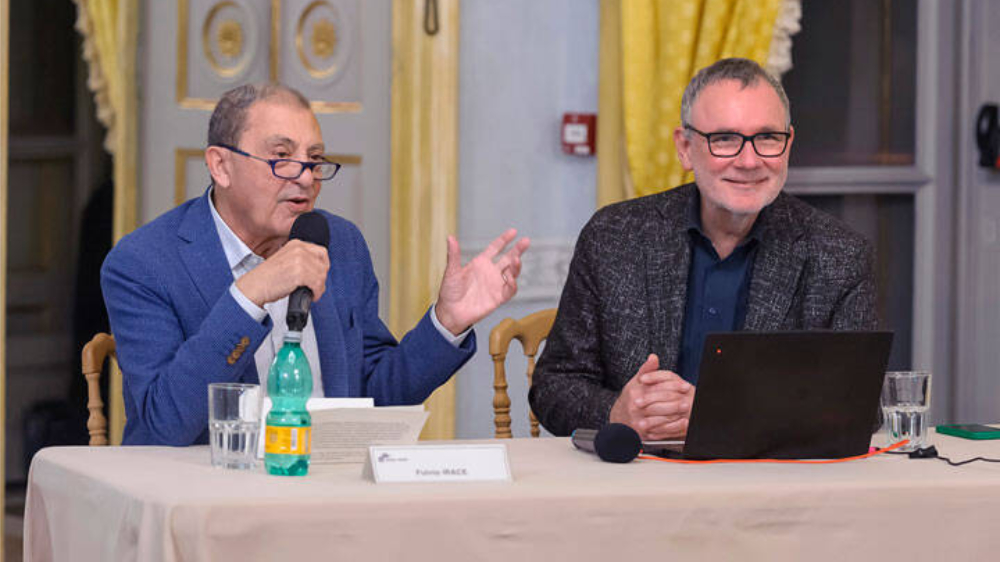
In Vancouver, our roundtable with ZGF Architects addressed crucial topics including mobility, sustainability, affordability, and the legacy of Indigenous communities, highlighting the distinction between value and cost applied to Nature. The presence of guests like John Madden from University of British Columbia, Jaret Lang from KPU Communities Trust and Hanako Amaya, Senior Landscape Architect at Vancouver Board of Parks and Recreation illustrates how multidisciplinary and inclusive collaboration is the pathway to a truly Nature-Positive Canada.
A country where Nature is no longer seen as a resource to be exploited but as Capital for development, capable of driving economic growth in urban and rural areas, as well as in the “remote” dimension. Given Canada’s immense Natural Capital — ranking among the world’s top in freshwater, coastal length, forests, and minerals — all that is needed is to trigger the change.
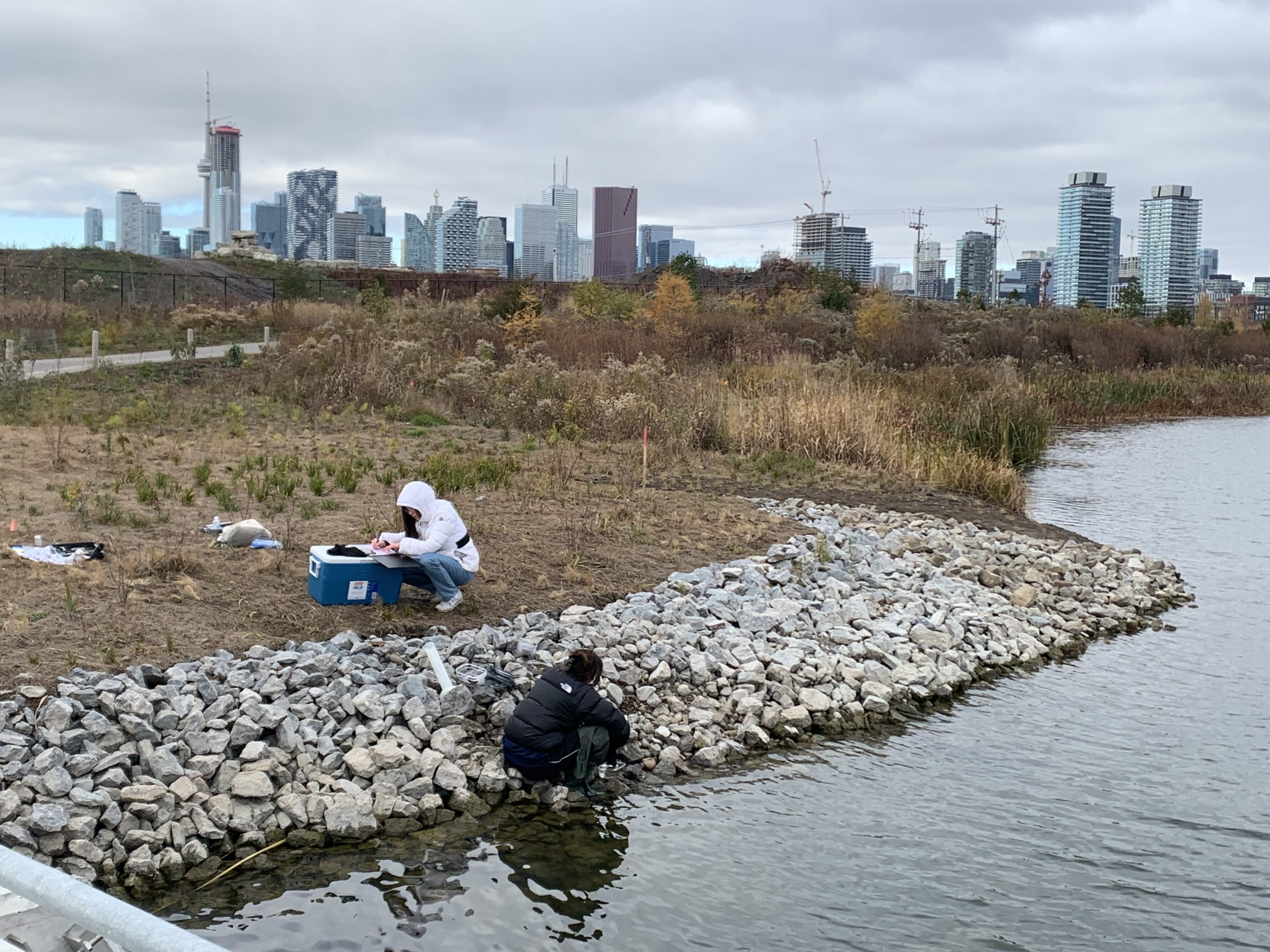
Toronto Waterfront