Discover Four Times Cleaner
Developing an Alpine Solar Park: Toward the Promotion of an Energy-Productive Landscape
“A landscape where new infrastructures can become true attractions and catalysts for new territorial dynamics, when appropriately integrated—as in the case of the Duragno Alpine Solar Park“
– Federico Scopinich, General Manager LAND Suisse.
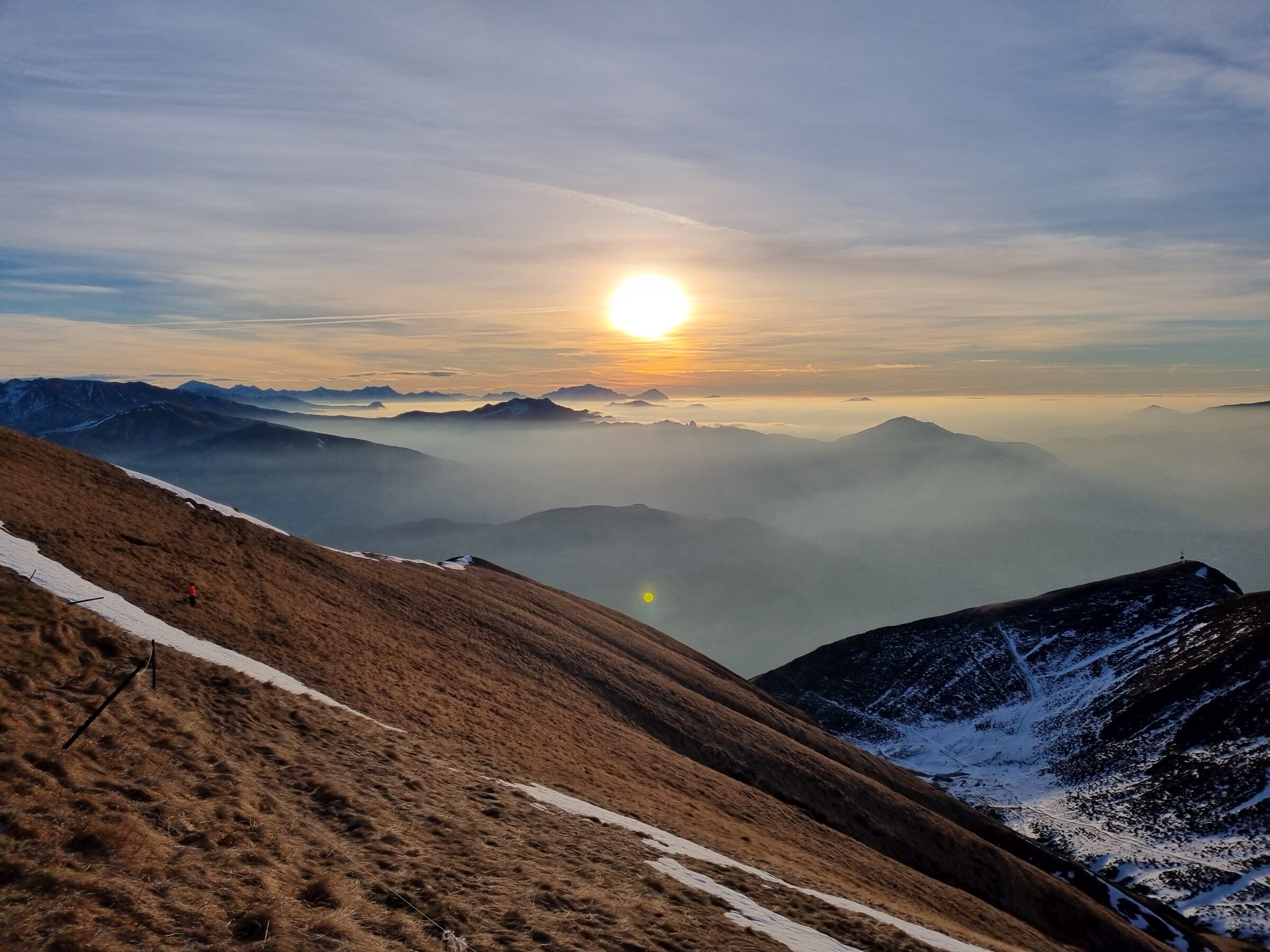
High up in Ticino’s Duragno Valley, an ambitious project is underway. By 2026, an alpine solar park will be established at an impressive altitude of 1,700 to 1,850 meters on the southern slopes of Manèra in Mezzovico-Vira. This unique location isn’t just scenic—it’s a powerful spot to maximise year-round solar energy production, using the high altitude to capture abundant winter sunlight.
“The idea of an Alpine solar park stems from the need to increase renewable electricity production, especially in the winter months when photovoltaics on the valley floor produce little. My grandfather already brought energy down from the mountains in the form of wood. With this project, we are innovating tradition and making our contribution to the energy transition.”
— Rocco Cattaneo, entrepreneur and project initiator.
The Duragno project is a landmark for Ticino, being the first in the region to meet the demanding standards of the federal “Solarexpress” initiative* – a crucial part of the ambitious climate goal to reach net-zero emissions by 2050.
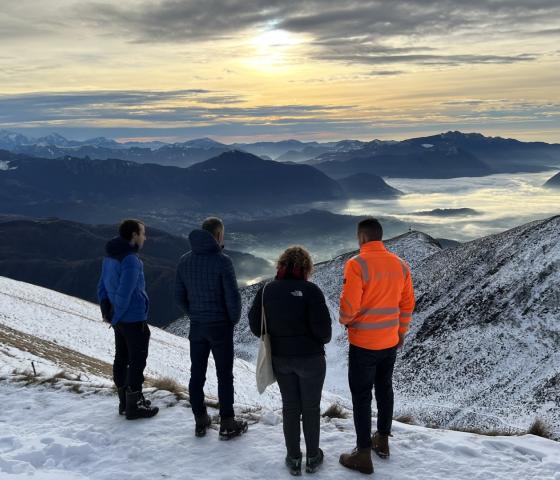
Funded by a consortium of regional and private investors, including S’Rock, AIL SA, and EBL, the Duragno project represents a landmark collaboration between public, private, and community stakeholders. Photo by Alessio Mina.
An energy-productive landscape designed to preserve existing biodiversity and ecosystem
The Duragno Alpine Solar Park project has already cleared significant hurdles, earning political approvals from the Municipality of Mezzovico-Vira and the green light from the land-owning entity. Additionally, in a remarkable turn for such large-scale projects, local environmental groups that have resisted similar developments elsewhere did not oppose this one.
In fact, the landscape integration plan for the alpine solar park focuses on harmonising the installation with the natural terrain, ensuring minimal visual impact, and preserving ecological corridors. Key measures include minimising impacts on wildlife and plant life, supporting agricultural use of the land, maintaining harmony with natural topography, and reducing visual impact by situating the panels in low-visibility areas and clustering them with existing infrastructure. These approaches ensure that the solar installation integrates seamlessly with the surrounding landscape while respecting ecological and visual aspects.
“The design of such a facility involves the evaluation of multiple environmental and naturalistic sectors, not only for possible direct impacts on the territory but also for indirect ones such as, for example, the loss of hunting areas for birds. These assessments involve detailed analyses that start from the individual floristic species or the individual insects in the project area to verify possible conflicts for bat or eagle hunting areas. In this sense, the installation was designed to be as ‘permeable’ as possible to wildlife species and to preserve pasture and mountain vegetation. The unavoidable residual impact of the work has been compensated for with interventions in favour of the species affected both in the surroundings of the solar park itself and ecologically compromised areas so that we can upgrade them.”
— Renato Gaggini, EcoControl
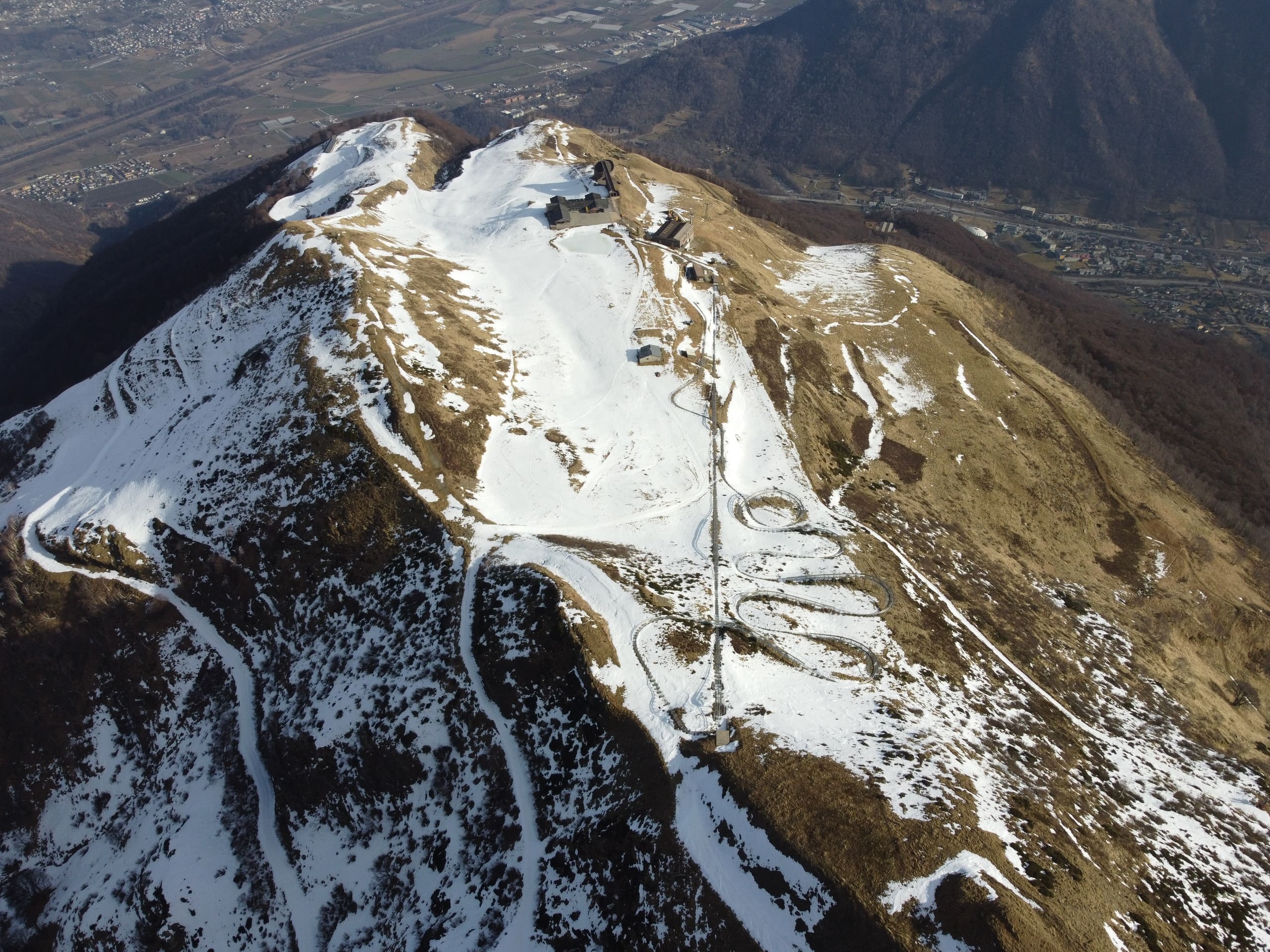
In total, only 1.5 hectares of the 8-hectare site will be covered by solar infrastructure, with additional compensatory measures across 15.4 hectares to offset any remaining ecological impacts. Photo by Alessio Mina
Civil and electrical engineers have collaborated closely with environmental engineers and landscape architects to address the project’s ecological footprint and meet the Swiss Foundation for Landscape Protection requirements.
Francesco Tenti and Pier Paolo Hurle, landscape architects at LAND Suisse, explain: “Key requirements from the Swiss Foundation for Landscape Protection include, for instance, setting panel inclinations between 70° and 90°, limiting ground coverage, and spacing panels to preserve vegetation and natural views. Our landscape integration plan facilitates accessibility and maintenance using existing roads and minimizes barriers for free wildlife movement. Furthermore, restoration measures, such as using screw foundations instead of concrete and greening, ensure minimal landscape disruption and facilitate ecological restoration post-project.”
“This is a pioneering project from all points of view; even as far as civil engineering is concerned, it was impossible to rely on works that had already been built or designed. It was necessary to draw on the various skills required to create support structures for the panels that are at the same time economical, resistant to the forces at play on an Alpine slope (wind, snow, temperatures, slopes, etc.), easy to transport and install, and easy to remove once their useful life is over. For these reasons, for example, it was decided to design the support structures using screw piles as foundations, which do not need to have a concrete base and which can be extracted in the same mood as they are driven into the ground.”
— Alessandro Brianza, Project Manager AFRY.
Creating a space that fosters a deeper connection with nature
Martina Conti, Director at LAND Suisse, unveils an exciting dimension of the project:
«While the requirements set by the Swiss Foundation for Landscape Protection guided our integration plan, we envisioned this new renewable infrastructure as more than just a utility to be tucked away. Instead, it’s designed to be a vibrant environmental and educational experience that invites exploration. By enhancing the existing hiking trail, visitors can journey from Alpe Duragno up the mountainside, discovering the new solar park while immersing themselves in a blend of natural beauty and renewable innovation. We aim to create a space that draws the community in and fosters a deeper connection with nature. »
“The idea of setting up an Alpine solar park of this kind is very innovative; therefore, there are no similar plants from whose experience one can draw to design. The planning involves challenges on many levels and is very interdisciplinary because it touches the technical, economic, environmental and political spheres. You must develop something new at all these levels and go beyond the rules that apply to standard photovoltaic projects.”
— Alessio Mina, Project Manager for Electric Mobility and Energy Transition at EBP
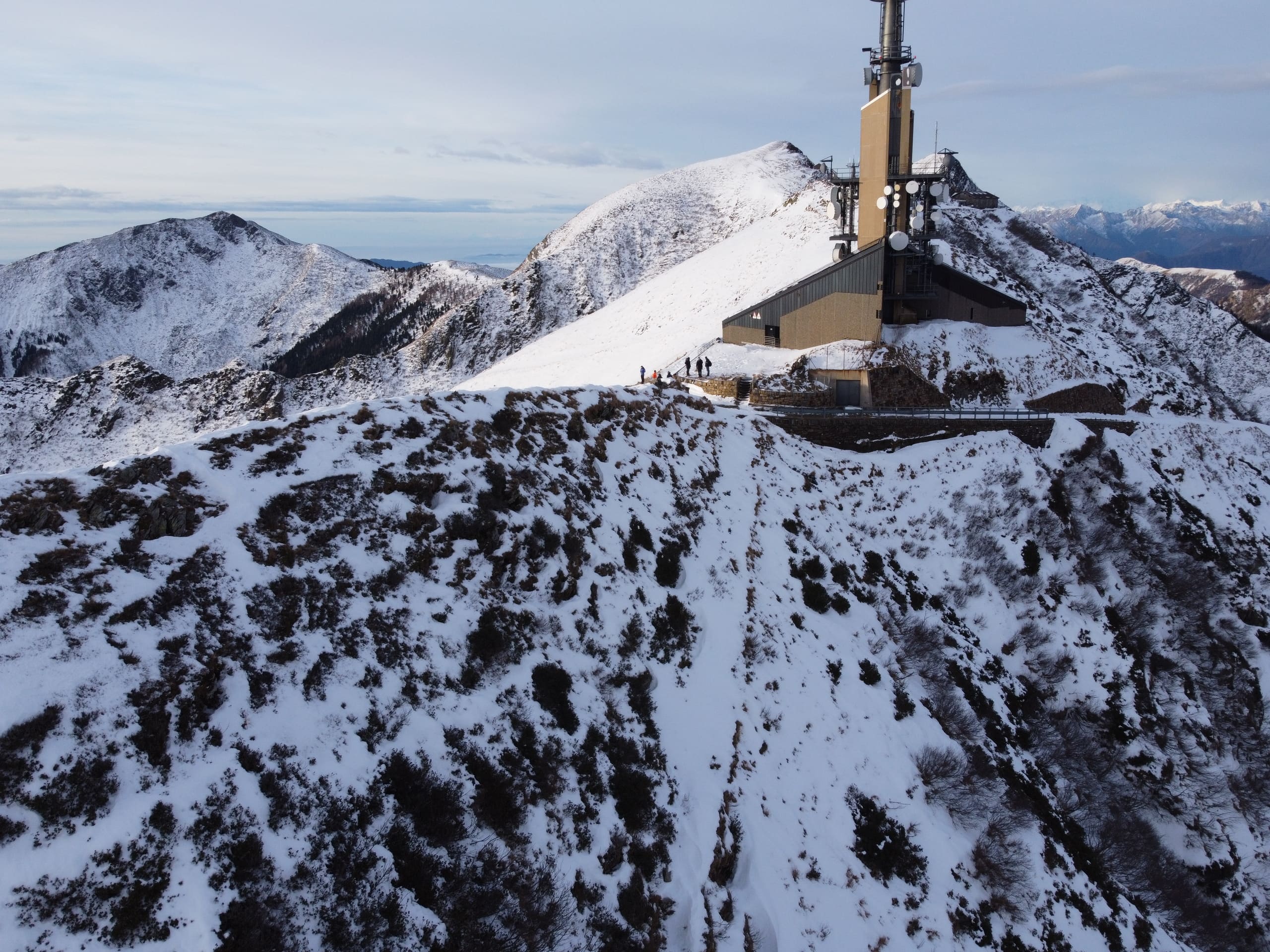
By enhancing the existing hiking trail, visitors can journey from Alpe Duragno up the mountainside, discovering the new solar park while immersing themselves in a blend of natural beauty and renewable innovation. Photo by Alessio Mina
Energizing Landscapes: Embracing a New Vision to Meet Europe’s Renewable Energy Goals
The vision and holistic approach demonstrated by the Alpine Solar Park in Switzerland is one we actively promote across Europe. To achieve the EU’s revised Renewable Energy Directive target of 42.5% renewable energy by 2030, with solar power reaching 750 GW_DC, approximately 600,000 hectares of land will be required—an area four times the size of Italy’s metropolitan city of Milan.
Integrating renewable energy at this scale demands a comprehensive strategy that produces clean energy and respects cultural and environmental values. We need productive landscapes, providing essential ecosystem services while reshaping our aesthetic and functional relationship with the land.
—
* Solarexpress is Switzerland’s bold answer to the climate crisis, created by the federal government to fast-track renewable energy projects and secure reliable power supply during the colder months when energy demands peak. This Duragno solar park is the only project in Ticino to fully meet Solarexpress requirements. Backed by Swiss citizens through the Climate and Innovation Act, this target underscores Switzerland’s commitment to speeding up clean energy projects.
Sources:
https://energy.ec.europa.eu/topics/renewable-energy/renewable-energy-directive-targets-and-rules/renewable-energy-targets_en
https://www.solarpowereurope.org/insights/interactive-data/total-eu-27-solar-pv-capacity-a-growth-story
https://www.solarpowereurope.org/press-releases/landmark-eu-solar-strategy-solar-power-europe-responsehttps://afry.com/de-ch/projekt/forderung-der-inlandischen-winterstromproduktion-durch-den-alpinen-solarpark-duragno
https://www.strom.ch/de/perspective/parco-solare-alpino-duragno-una-nuova-alba