Newsletter #17: Planting the Future: How Landscape Architecture Cultivates Sustainable Expo Legacies
The new "megatrend" of environmentally conscious urban development and sustainability through landscape architecture is rapidly becoming more prominent in major global events like World Expos.
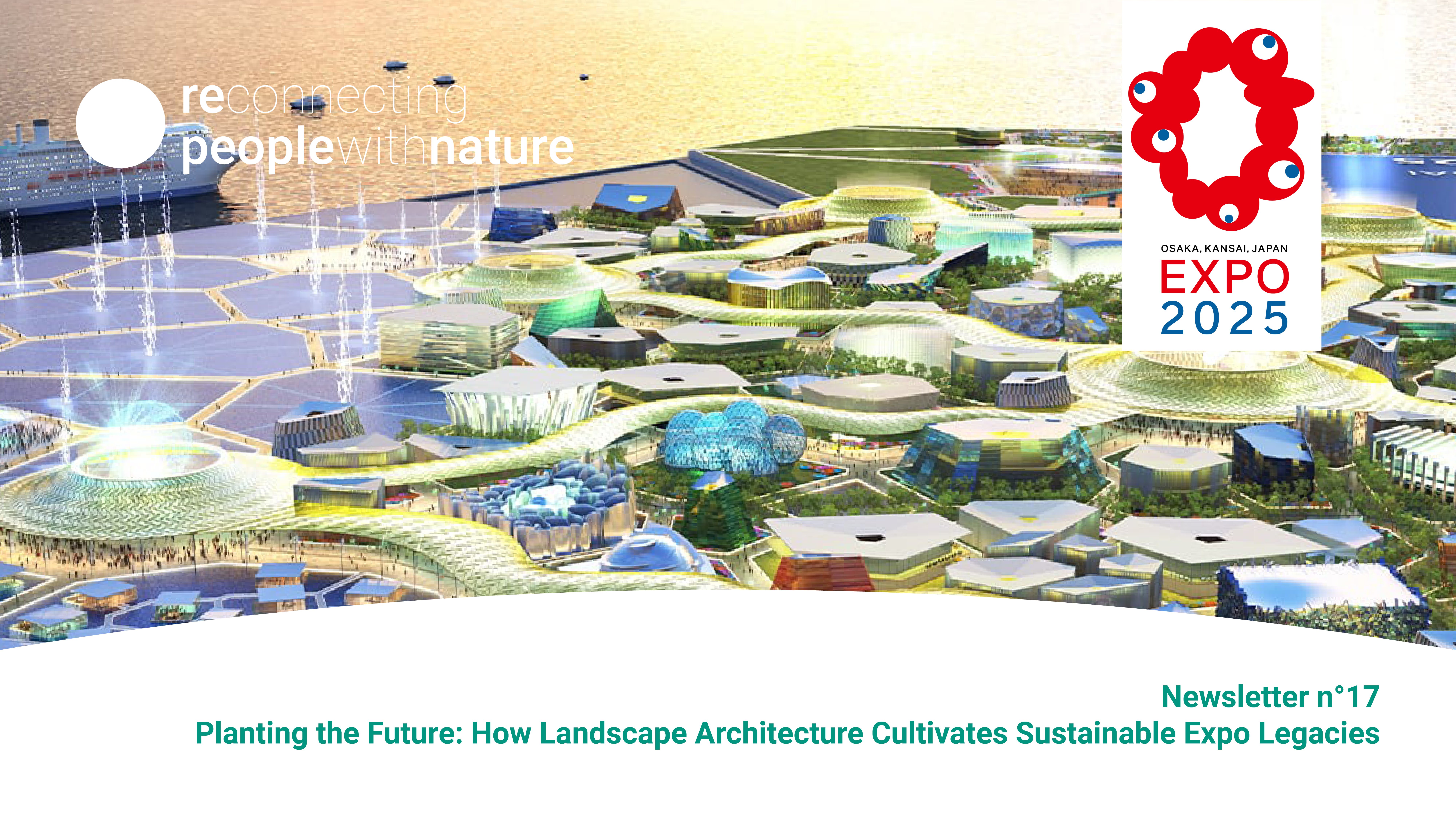
Currently in Japan, about to visit Expo 2025 Osaka, I’d like to take the opportunity to reflect with you on the profound transformations that Expos have brought to their host cities over the years. These monumental events, once viewed primarily as temporary showcases of innovation, are now evolving into powerful catalysts for sustainable urban futures. But do these Expos, with their grand designs and global audiences, truly change their host cities for the better? Can they be instrumental in shaping a more sustainable future?
Expos Are Becoming More Nature-Oriented: Why?
Expos are the mirror of their time, reflecting social demands and innovations. As public awareness of environmental issues rises, Expos have begun allocating more space to sustainability. No longer simply about showcasing technological marvels, the contemporary Expo format embraces nature and ecological responsibility.
Historically, profitability was the primary measure of an Expo’s success, both in terms of the immediate financial gain through visitors and long-term benefits to the host city. Has the Expo site become a livable urban quarter? Has it catalyzed positive change in the city? These questions guide the evolving narrative of Expos as they become not only places of temporary exhibitions but as laboratories for shaping lasting urban and environmental legacies.
From Hannover 2000 to Osaka 2025: A Vision of Sustainable Transformation
Reflecting on my personal journey, it was the Hannover Expo in 2000 that first inspired me. The theme “Humankind, Nature, Technology” set the tone for a groundbreaking shift in Expo thinking. That event marked the decision, made just a few years earlier by the Bureau International des Expositions (BIE), that sustainability and long-term site reuse would be integral to future Expos. The innovation in Hannover was not just the Expo itself but how the site would be transformed after the event.
The Expo 2000 site evolved into the Kronsberg Eco-District, a pioneering model of ecological urban planning with low-energy housing, passive buildings, and integrated green spaces. This legacy, still visible today, demonstrated that Expo grounds could serve as long-term incubators for sustainable urban living, a concept that continues to influence how we shape cities. In fact I always remember “Die Welt als Garten” and the special contribution of my friend Kamel Louafi.
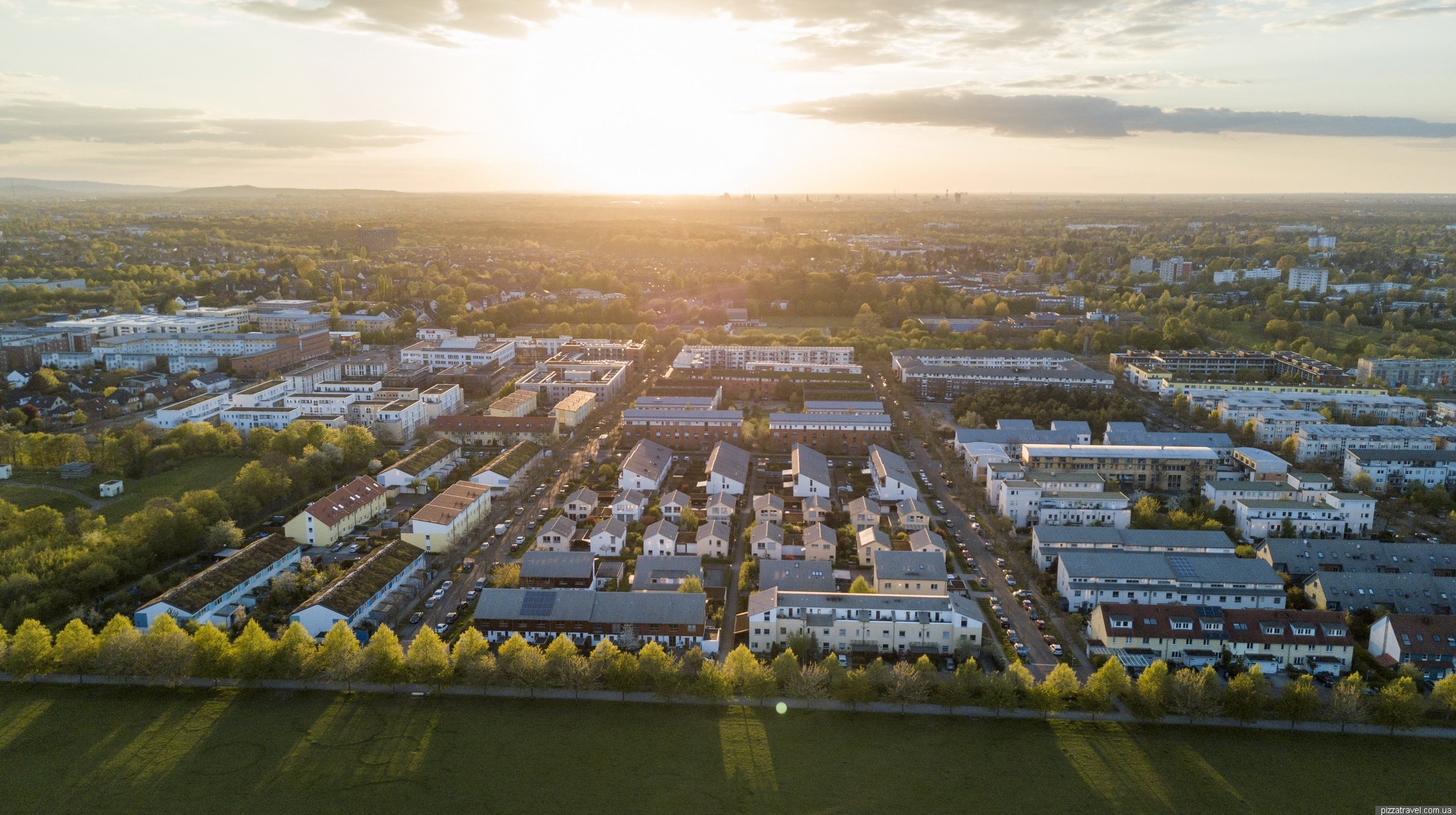
A photo of Hannover’s Kronsberg district post-Expo (Image: Dreiseitl Consulting)
Milano 2015 Expo: A Commitment to Urban Regeneration
Fast forward to Expo 2015 in Milan, where our landscape design vision expanded further. Milan’s Expo was built on decades of work transforming industrial wastelands into vibrant urban spaces. The transformation culminated in MIND – Milano Innovation District, a thriving ecosystem for innovation, community, and biodiversity. The event left an enduring legacy, with the Expo site now serving as an integral part of Milan’s urban fabric, creating lasting value for the city and its people.
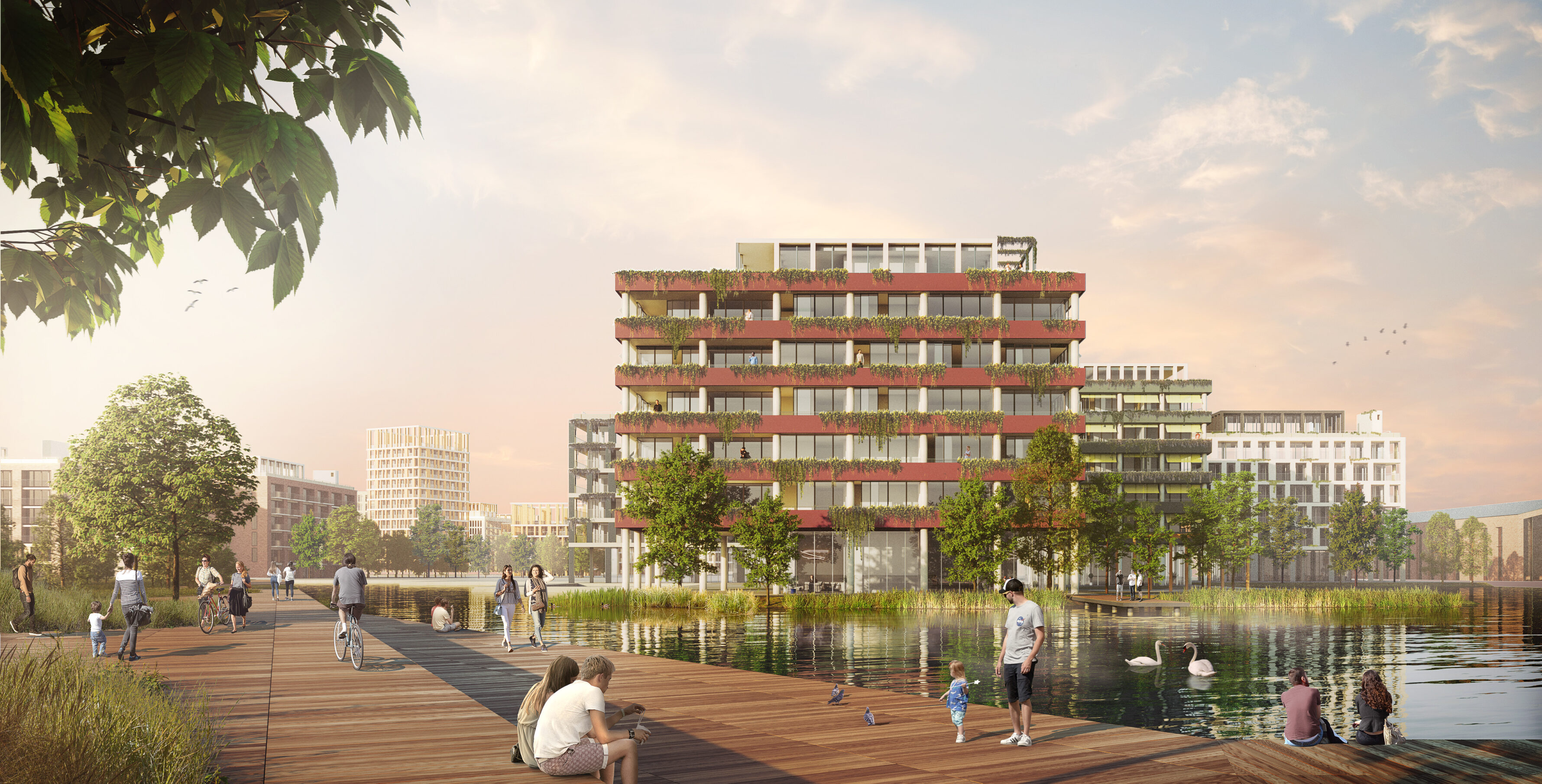
MIND | Living in the park (Render: LAND)
Expo 2020 Dubai: Nurturing Landscapes Before the Event
Expo 2020 Dubai took this philosophy even further. Rather than merely regenerating the site after the event, we began cultivating the landscape long before the gates opened. By pre-cultivating trees and ecosystems, we ensured that the environment was already flourishing by the time the Expo opened. This foresight emphasized the importance of landscape architects acting as gardeners—preparing the ground for future growth.
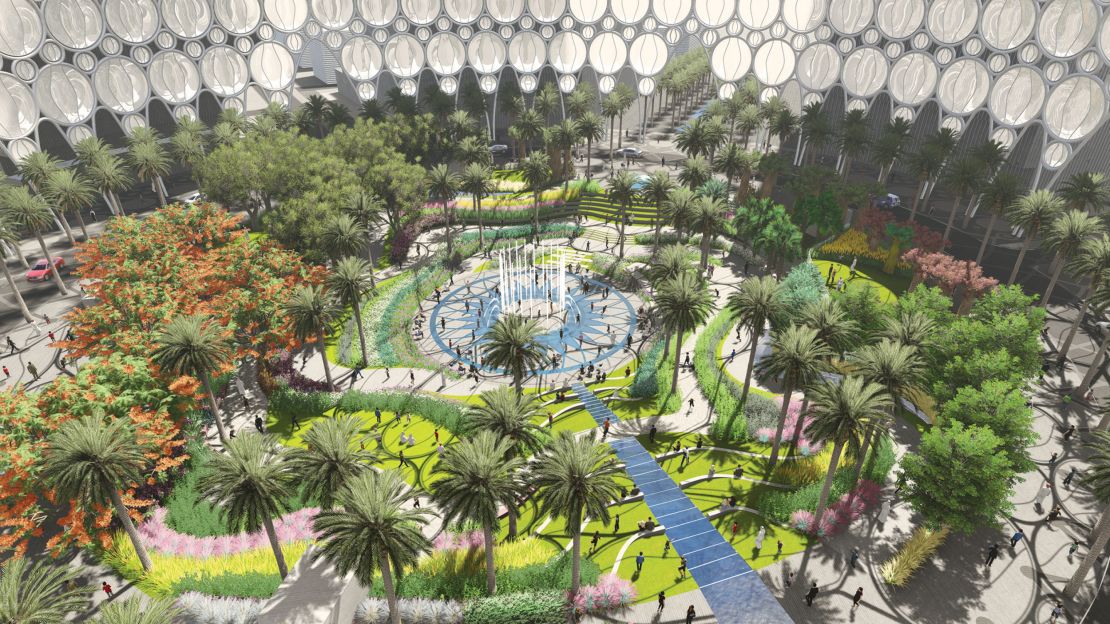
Dubai 2020 Expo | Al Wasl Plaza garden
Expo 2025 Osaka: Connecting Lives, Empowering Communities
As I am about to visit the opening of Expo 2025 Osaka, I am particularly excited about the theme “Designing Future Society for Our Lives,” which calls for a rethinking of how we design a better future—one that re-establishes connections among people, nature, and society. This aligns with the long-standing mission of landscape architecture to reconnect people with nature, creating spaces that are both ecologically and socially sustainable.
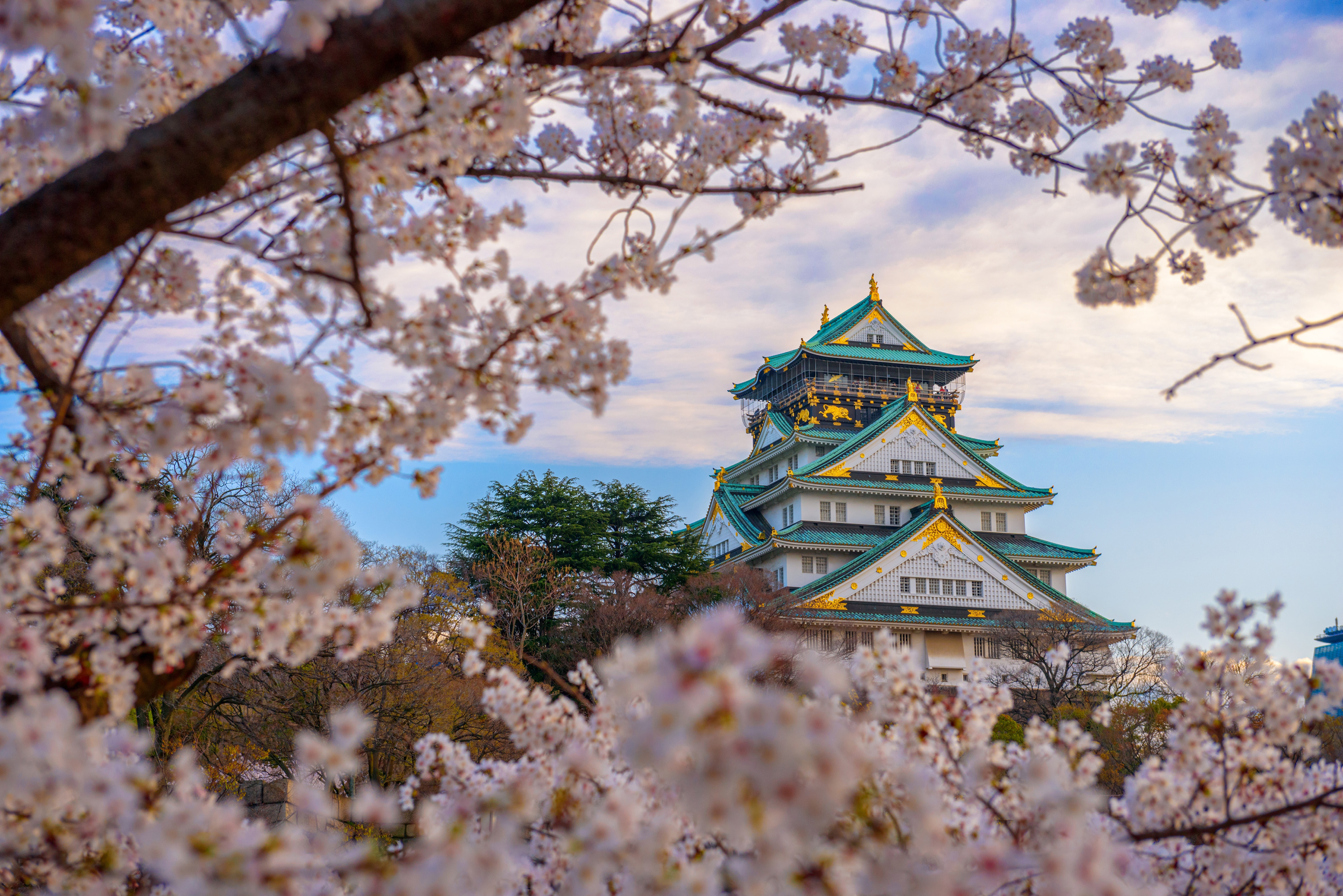
Osaka Castle in Spring
The “Grünes Band” in Germany: Reconnecting Communities and Landscapes
This theme of connection resonates with my work on IBA Emscher Park (1994–1999), where we transformed Germany’s industrial Ruhr area into an ecological and sustainable urban region. As we approach the next chapter in Germany’s Rheinisches Revier with the Internationale Bau- und Technologieausstellung (IBTA 2025–2035), our vision for the “Grünes Band” (Green Ribbon) will reconnect landscapes scarred by open-pit mining, creating blue-green infrastructure that transforms lives, cultures, and identities.
Expo 2030 Riyadh: Pre-Cultivation and Resilience in Challenging Climates
Looking ahead to Riyadh and Expo 2030, the lessons we’ve learned from previous Expos have deepened our understanding of sustainability. With a focus on resilience in extreme climatic conditions, our work in Riyadh will involve pre-cultivating local plant species suited to the arid environment, protecting soil, biodiversity, and ensuring that the transformation of the site endures far beyond the Expo itself.
The Seeds of Lasting Change: Can We Truly Plant Them?
As both a landscape architect and a gardener, I see these mega-events as opportunities to cultivate lasting change— not merely by planting trees and creating green spaces, but by actively nurturing our collective future.
The challenge is clear yet inspiring: how can we cultivate these seeds of transformation so that they grow into something genuinely beautiful, meaningful, and sustainable for generations to come?
I look forward to exploring these questions and cultivating the answers with you all as we witness the unfolding of Expo 2025 Osaka and beyond.