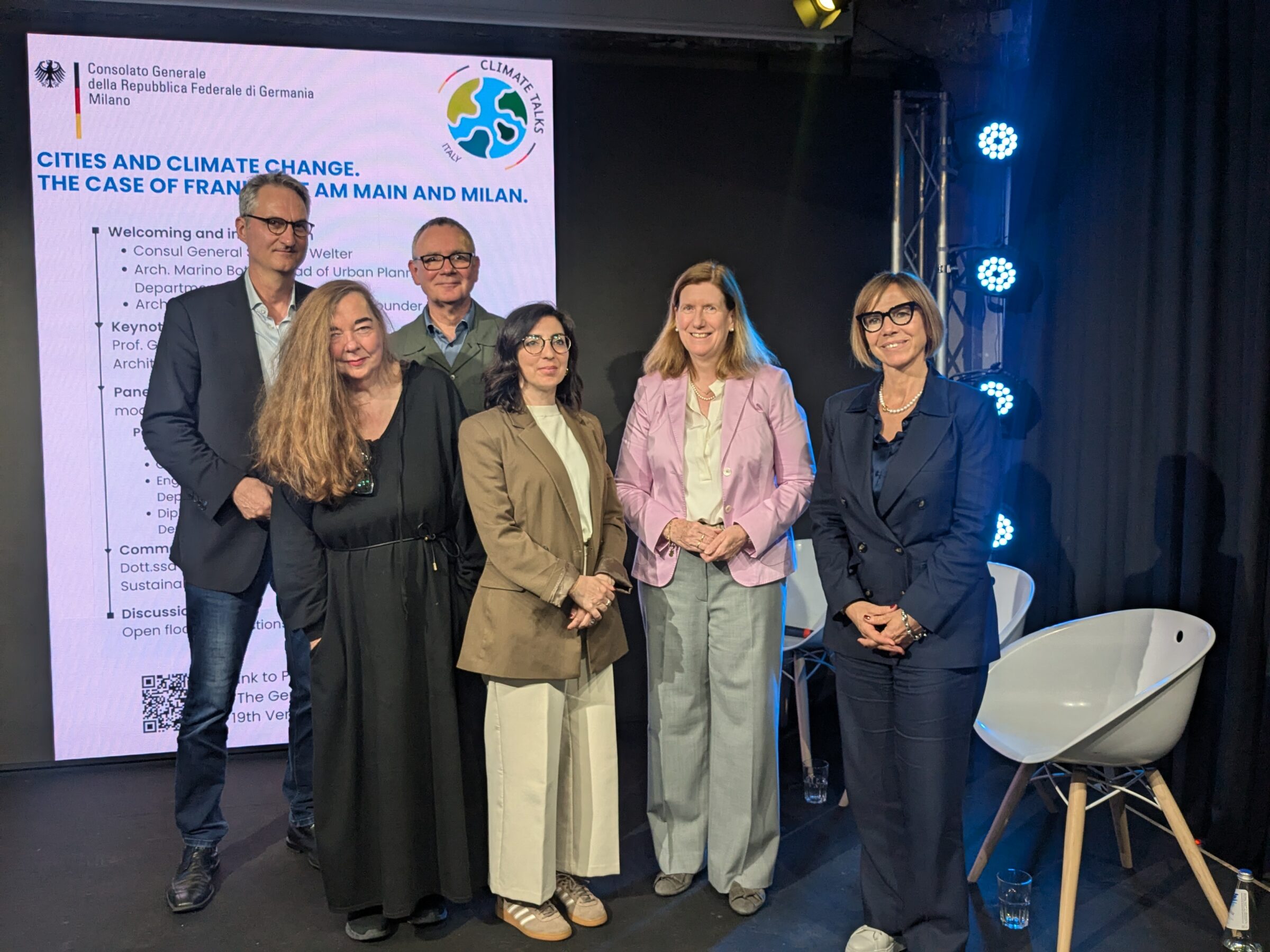
“Climate Talks”: the German Consulate General in Milan and LAND discuss climate adaptation between Milan and Frankfurt
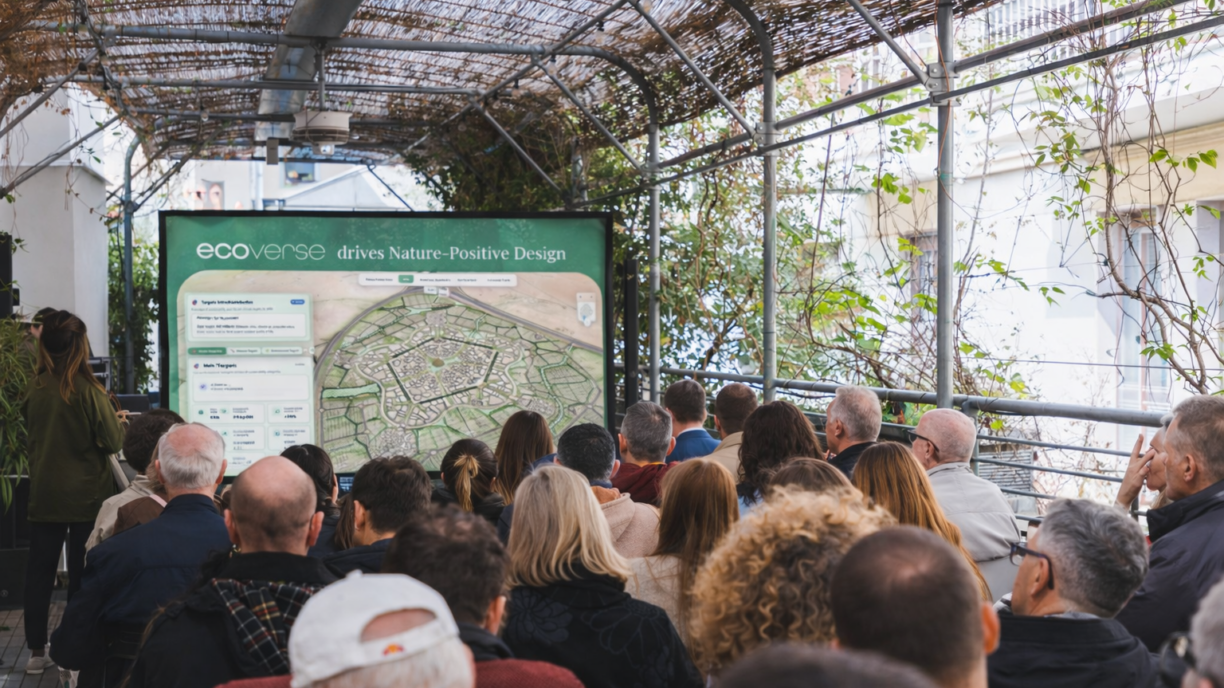
The German Consulate General in Milan, in collaboration with LAND, is bringing the ‘Climate Talks’ to the Lombard capital. This format, created by the Federal Foreign Office and already implemented by various German representations around the world, aims to explore and share strategies toward climate neutrality. Last night at the “Talent Garden” on Via Arcivescovo Calabiana 6, the virtuous models of Milan and Frankfurt am Main in urban resilience were compared, addressing future design challenges with an increasing focus on people’s well-being.
How can major cities respond to the challenges of climate change while becoming more sustainable and resilient? This is the question that inspired “Climate Talks: Cities and climate change. The case of Frankfurt am Main and Milan”, a conference organized by the German Consulate General in Milan in collaboration with LAND. The event brought together experts in landscape architecture and sustainability, along with institutional representatives from the two twin cities.
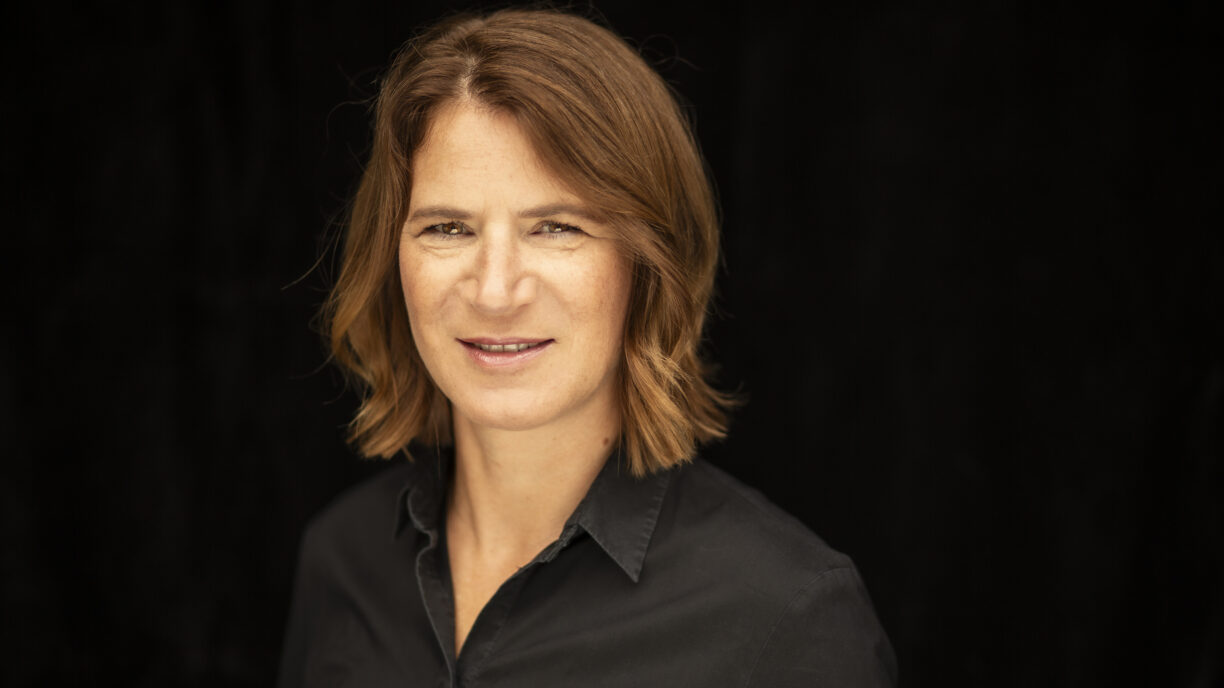
The evening was opened by Susanne Welter, German Consul General in Milan, who examined Germany’s political commitment to climate adaptation and the prospects ahead under the country’s new government. The event opened with a brief greeting from Architect Marino Bottini of the Municipality of Milan. The panel discussion was preceded by a keynote speech from Professor Gabriele Kiefer, German landscape architect and curator of the German Pavilion at the ongoing Venice Biennale, who explored the role of architecture and urban planning in the fight against global warming.
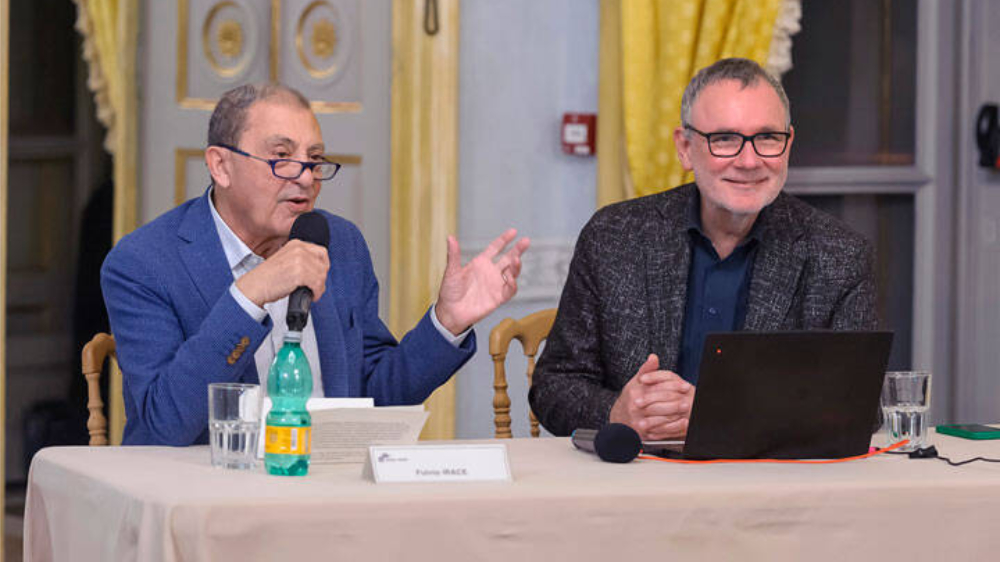
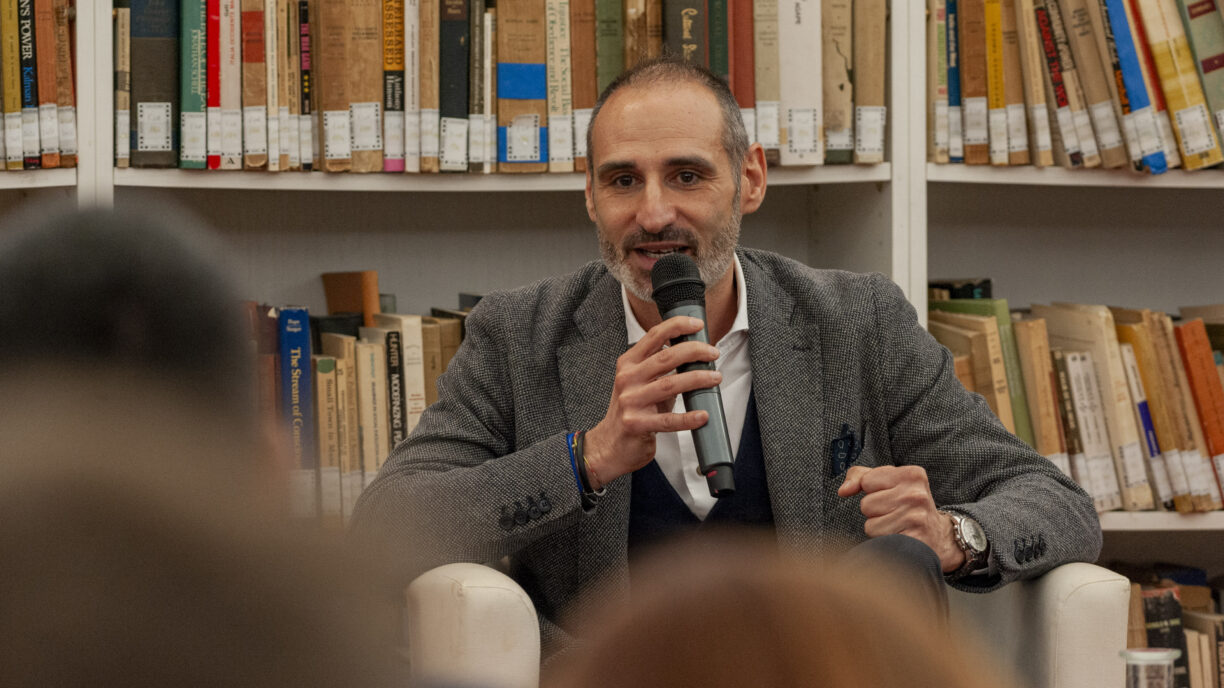
Andreas Kipar, CEO and founder of LAND, introduced and moderated the roundtable between Hans-Georg Dannert, Head of the Climate Department for the City of Frankfurt, and engineer Carmen Salvaggio from the General Urban Planning Department of the Municipality of Milan. The panel explored how future cities can become greener, improve quality of life, and involve local administrations in the design process, paving the way for a more equitable and sustainable urban landscape.
This vision is at the core of Milan’s Raggi Verdi (Green Rays) urban strategy, which sparks from the city’s neighborhoods, interconnects them, and reclaims space through slow mobility, transforming these spaces into multifunctional public areas. These green and blue infrastructures act as symbols of climate resilience and serve as social catalysts for citizens. Similarly, in Frankfurt am Main, the GrünGürtel—a more than 65-kilometer Green Belt encircling the city—works in synergy with a network of parks that are reshaping the historic center. Together, they form a unified ecological infrastructure, a model of climate adaptation that could be replicated throughout Germany and Europe.
“The climate crisis is the ultimate global challenge,” stated Consul General Susanne Welter. “We must act now to limit global warming to 1.5 degrees. Addressing this challenge requires international cooperation at all levels. Milan and Frankfurt am Main, as pioneers of forward-looking urban development, can demonstrate the opportunities for increased German-Italian collaboration in this field”.
“From Milan’s Raggi Verdi to Frankfurt’s GrünGürtel, nature becomes a mediator in the relationship between humans and the city. The result is a Nature-Positive City, which integrates landscape elements between built environments and open spaces to support climate adaptation. This productive urban landscape emerges from a rethinking of public space—through the removal of barriers, the creation of new multifunctional areas, more trees and less asphalt—in order to meet the social needs of citizens,” added Andreas Kipar, CEO of LAND.
By giving open spaces a new identity, the environmental system is transformed into a territorial strategy that can also be replicated on a larger scale: productive urban landscapes become essential for climate adaptation, sustainable water reuse, and the enhancement of biodiversity. These ecosystem services—now measurable—are vital for citizens’ well-being and must be integrated into urban planning to ensure a climate-resilient future for all of us, built on Natural Capital.
On the sidelines of the meeting, a commentary by Alessandra Zampieri, Director of Sustainable Resources at the European Commission’s Joint Research Centre in Ispra, highlighted the need for dedicated policies for urban climate adaptation to be at the core of European Union strategies and national legislation. She emphasized the urgency of promoting collaborative initiatives that bring together stakeholders from all sectors to foster dialogue and concrete action, following the model of the New European Bauhaus, and called for a rigorous and democratic use of technology to ensure data-driven decisions and measurable progress.
Date
15 May 2025
People
Office
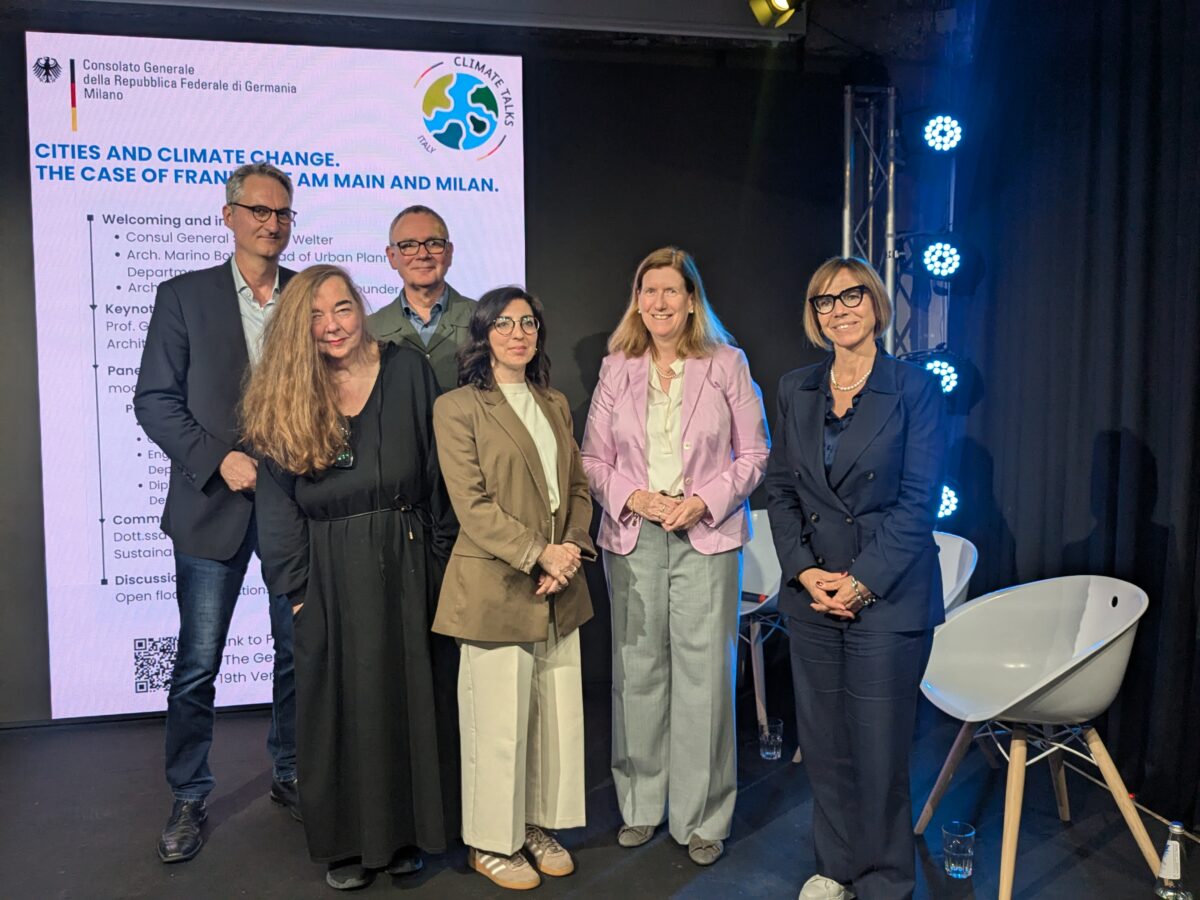
The speakers of the panel
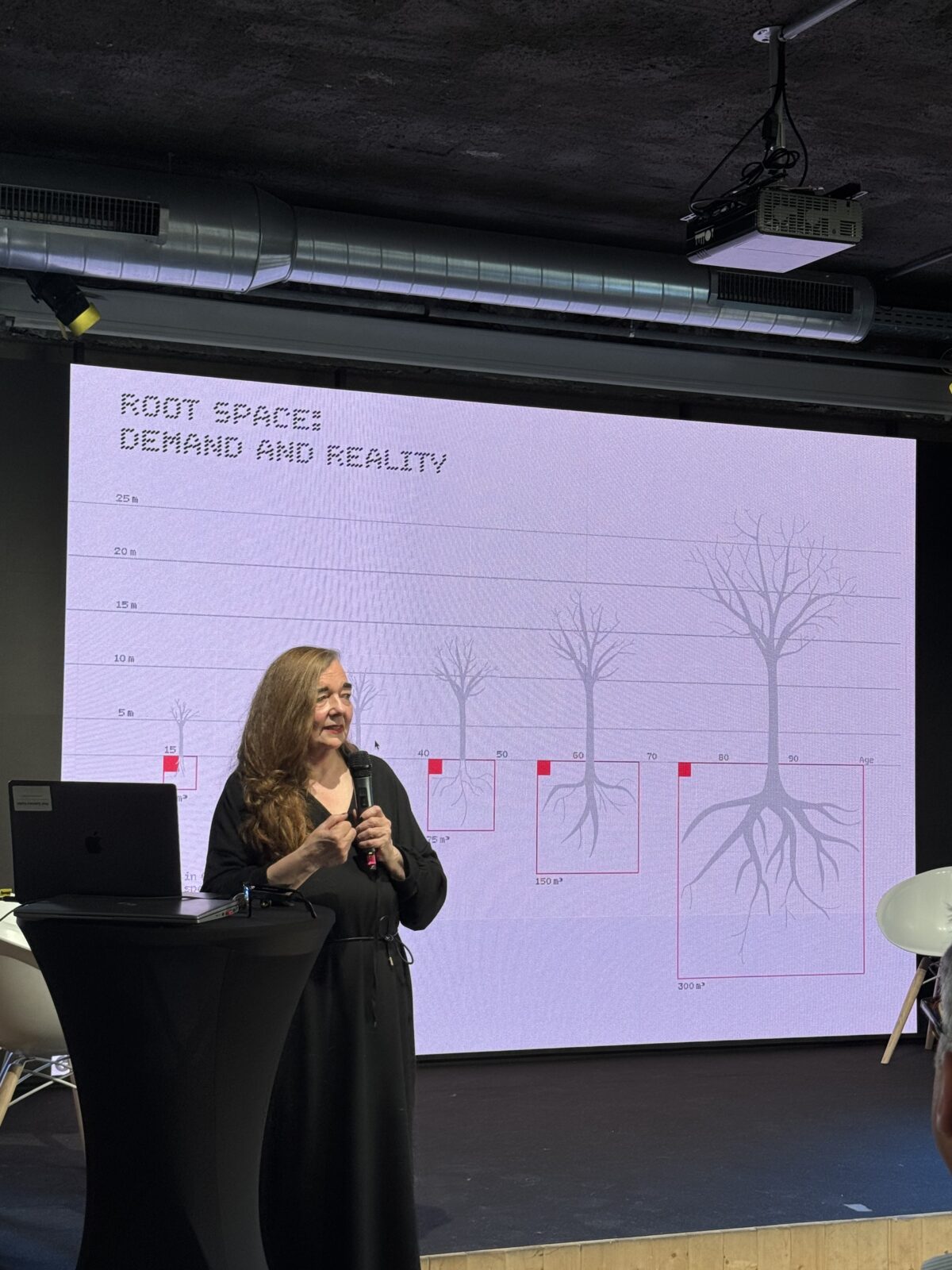
Professor Gabriele Kiefer during her keynote speech
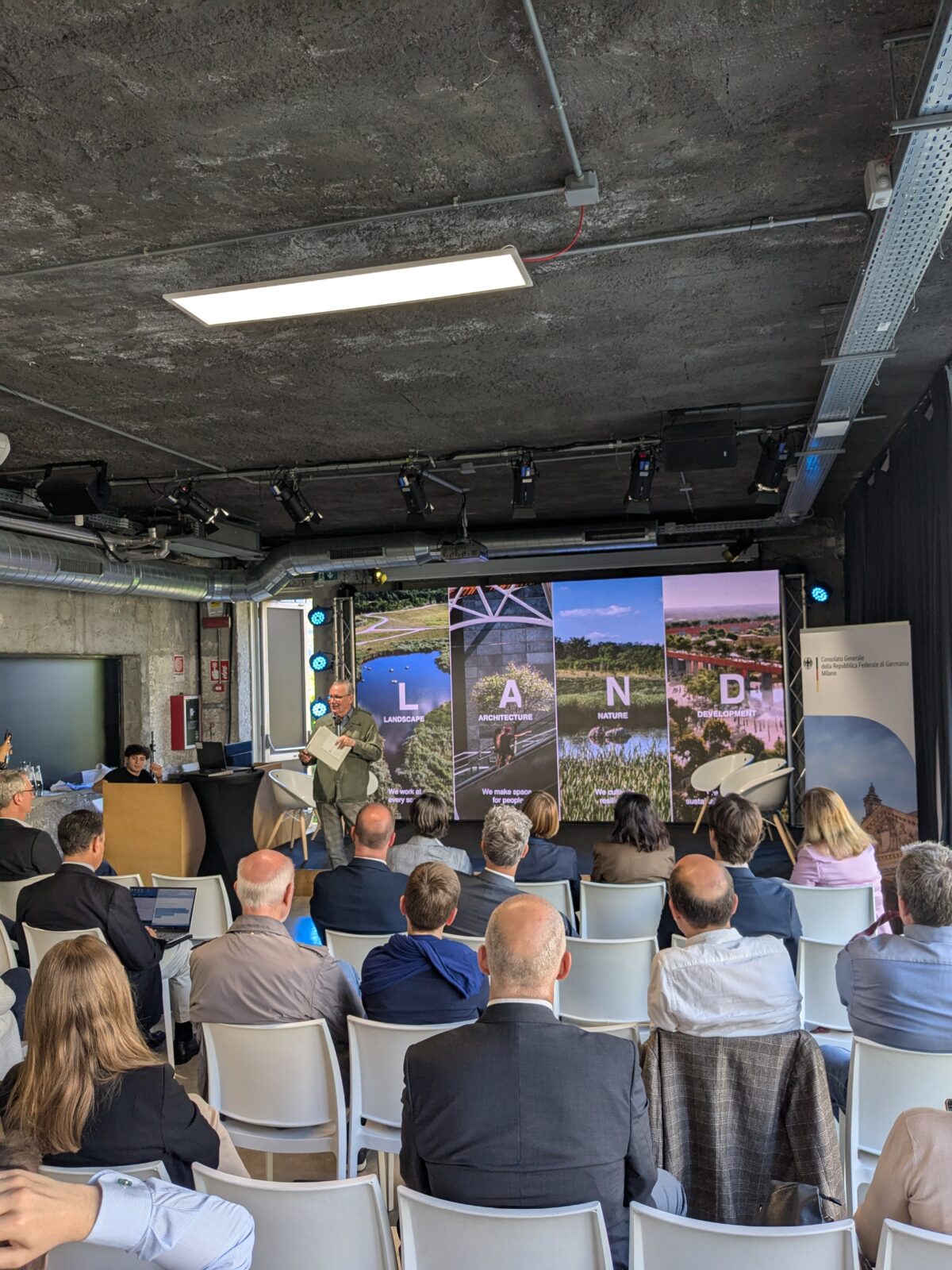
Andreas Kipar introducing the panel
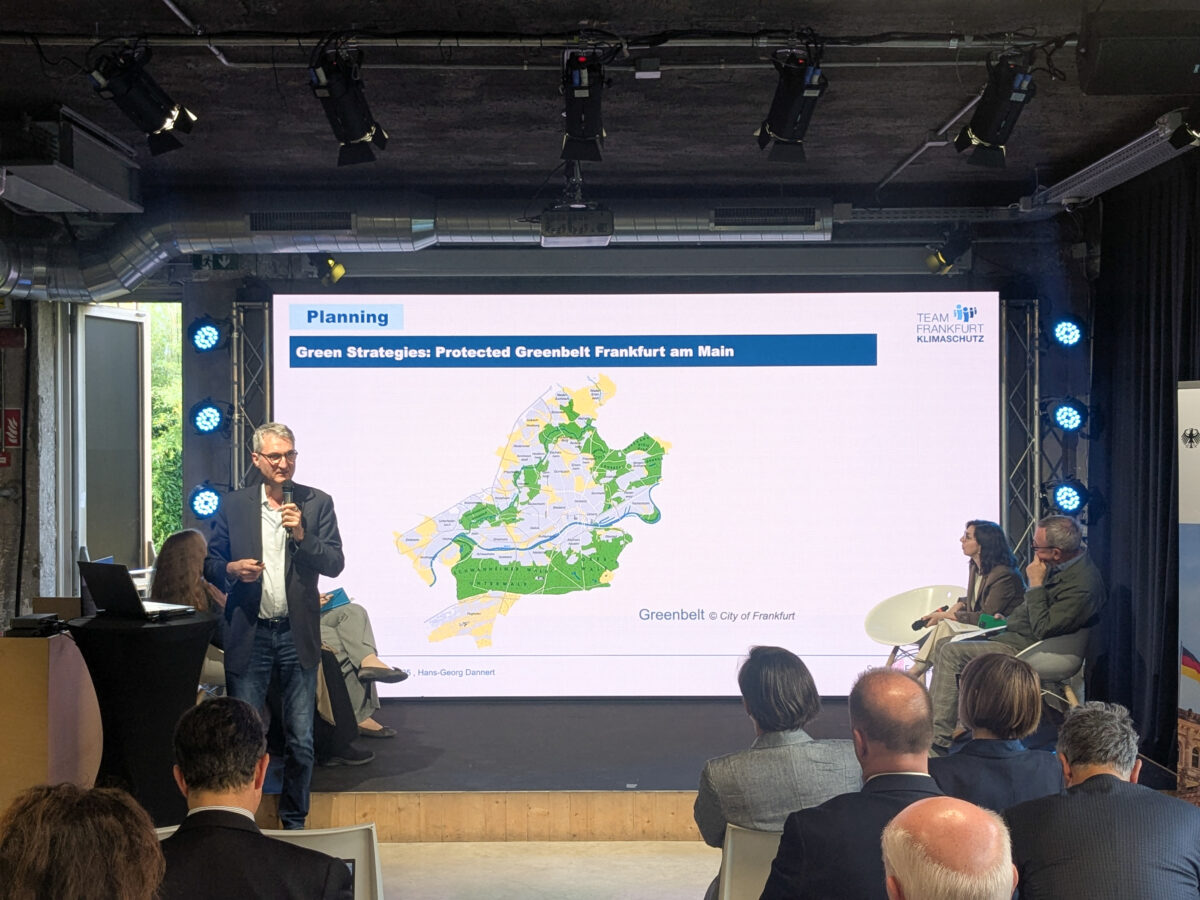
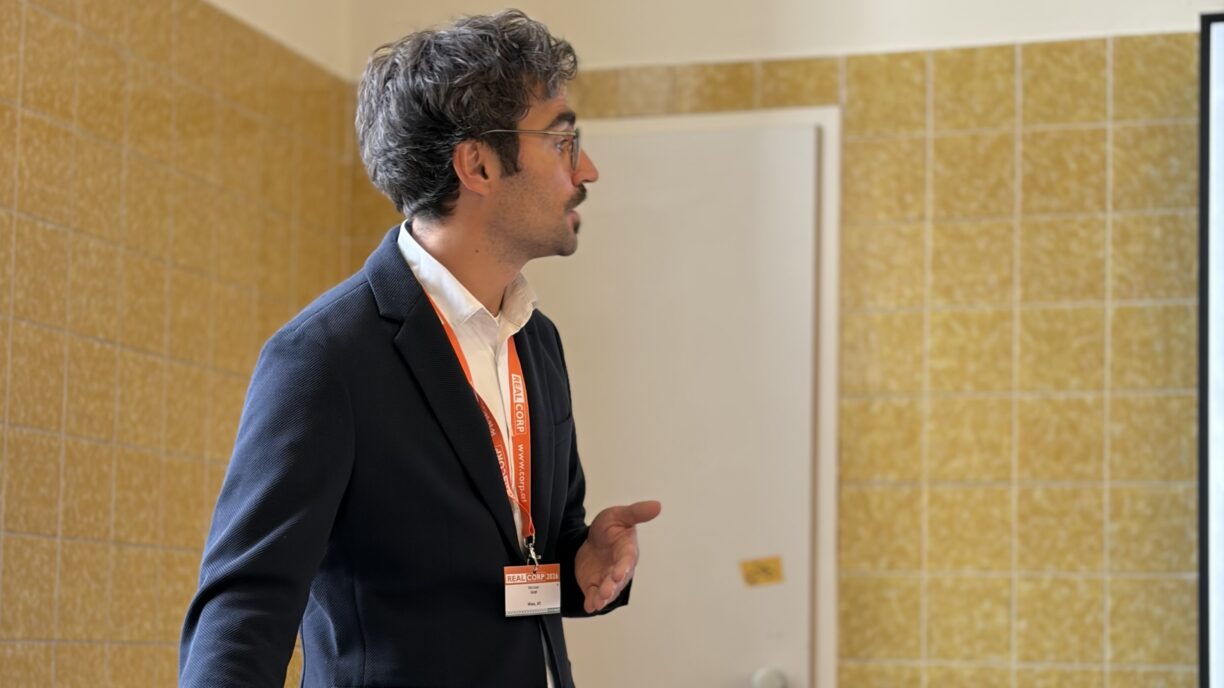
Hans-Georg Dannert highlighting the Frankfurt Green Belt