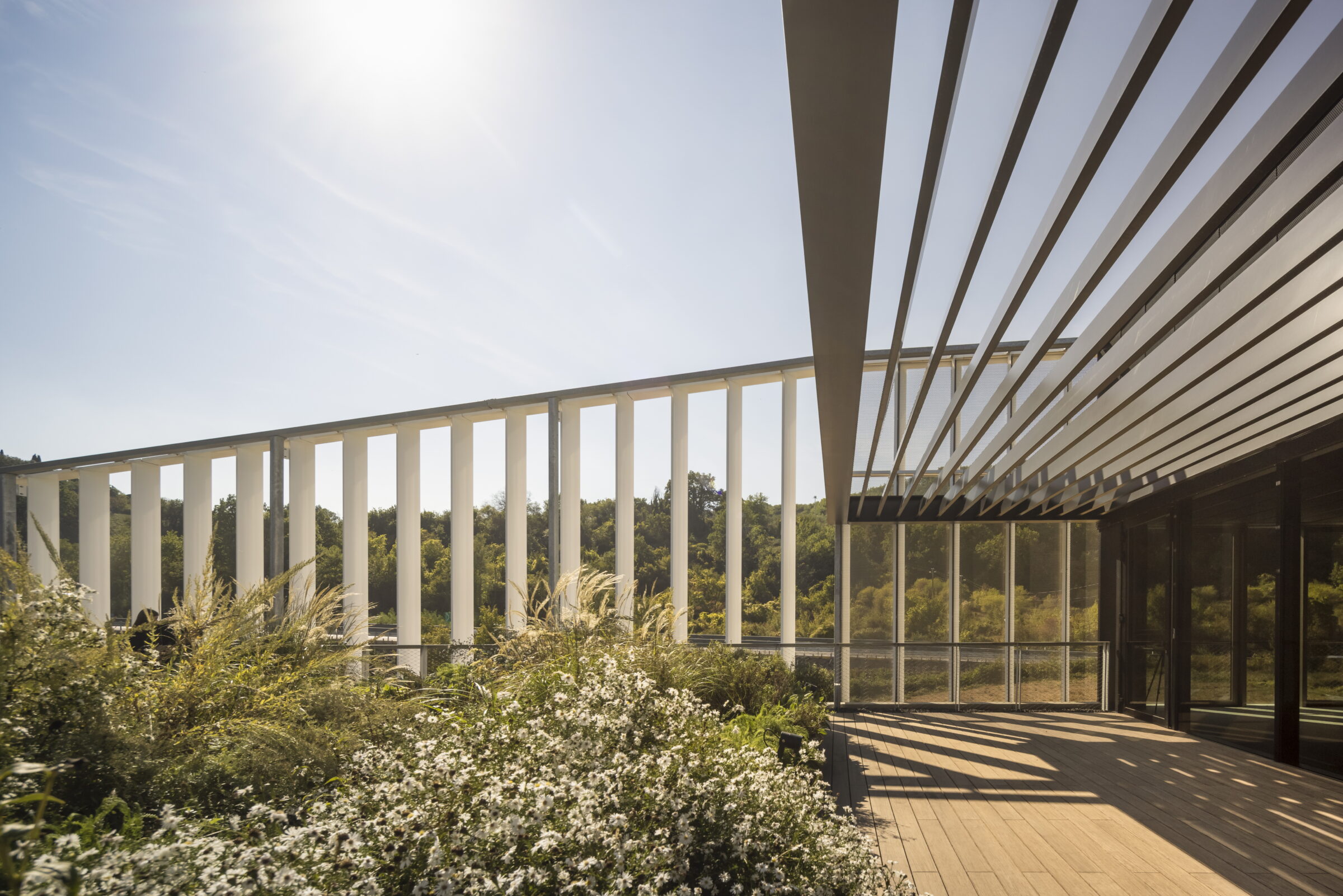
A Harmonious Blend of Nature and Architecture: The Furla Headquarters
Nestled in the picturesque Chianti landscape, the Furla Headquarters - Furla Progetto Italia - is a testament to the seamless integration of architecture and nature. Designed as a production and administrative hub for the iconic Italian fashion brand, this project redefines industrial spaces, turning them into environments that prioritize sustainability, aesthetics, and the well-being of those who inhabit them.
Reimagining the Industrial Landscape
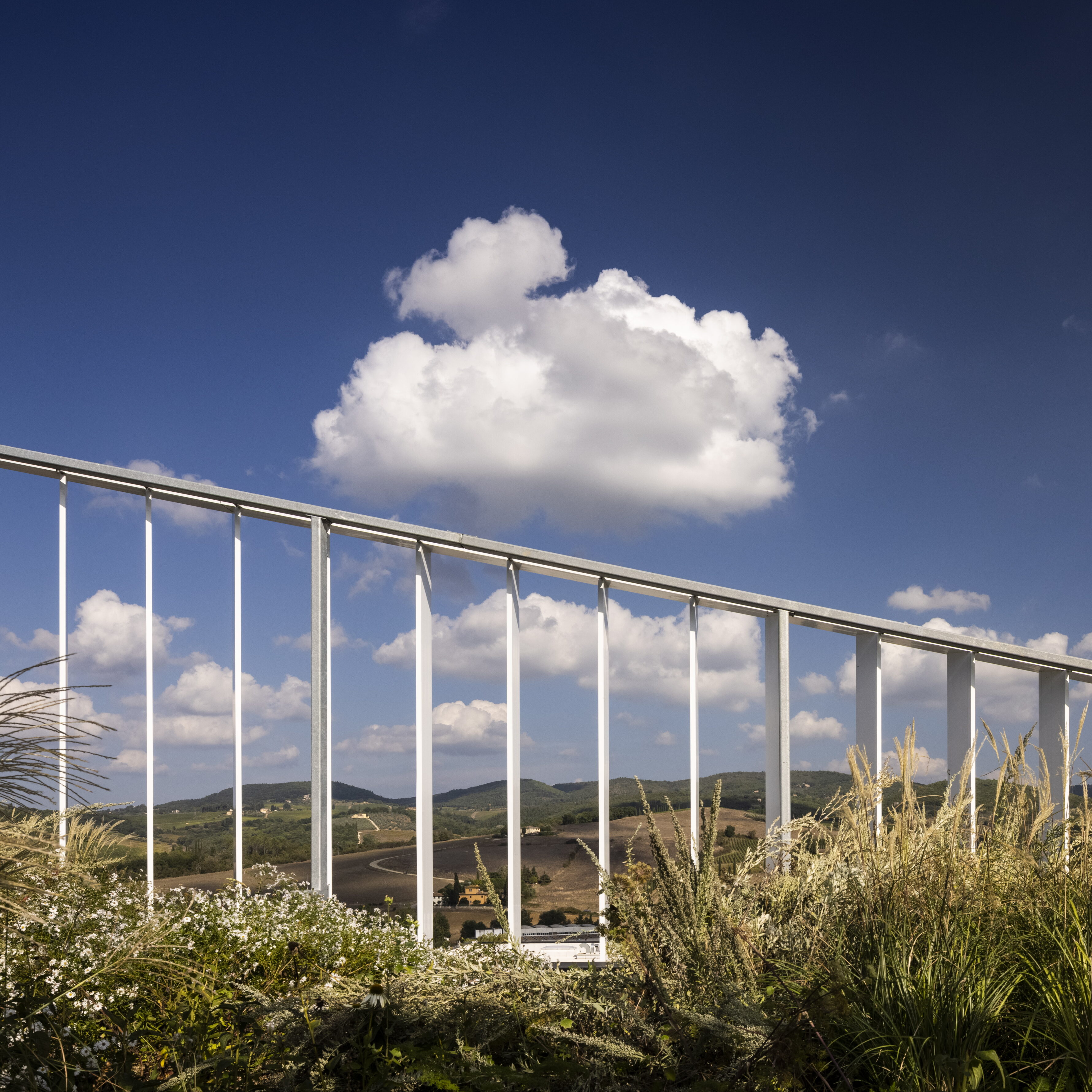
Furla Progetto Italia is more than just a factory; it is an experience. The project, developed in collaboration with GEZA Architettura and other esteemed partners, respects and enhances the surrounding landscape while providing a modern and functional workplace. At LAND, we curated the landscape design to echo the rolling hills, historic settlements, and lush greenery that define Tuscany.
Spanning 43,000 square meters, with 16,000 square meters dedicated to greenery, the Furla Headquarters embodies a commitment to environmental stewardship. Native, perennial, and low-maintenance plant species were carefully selected to reduce water consumption while maintaining the natural beauty of the region. The result is a workplace that fosters a deep connection with nature, offering employees and visitors an inspiring setting.
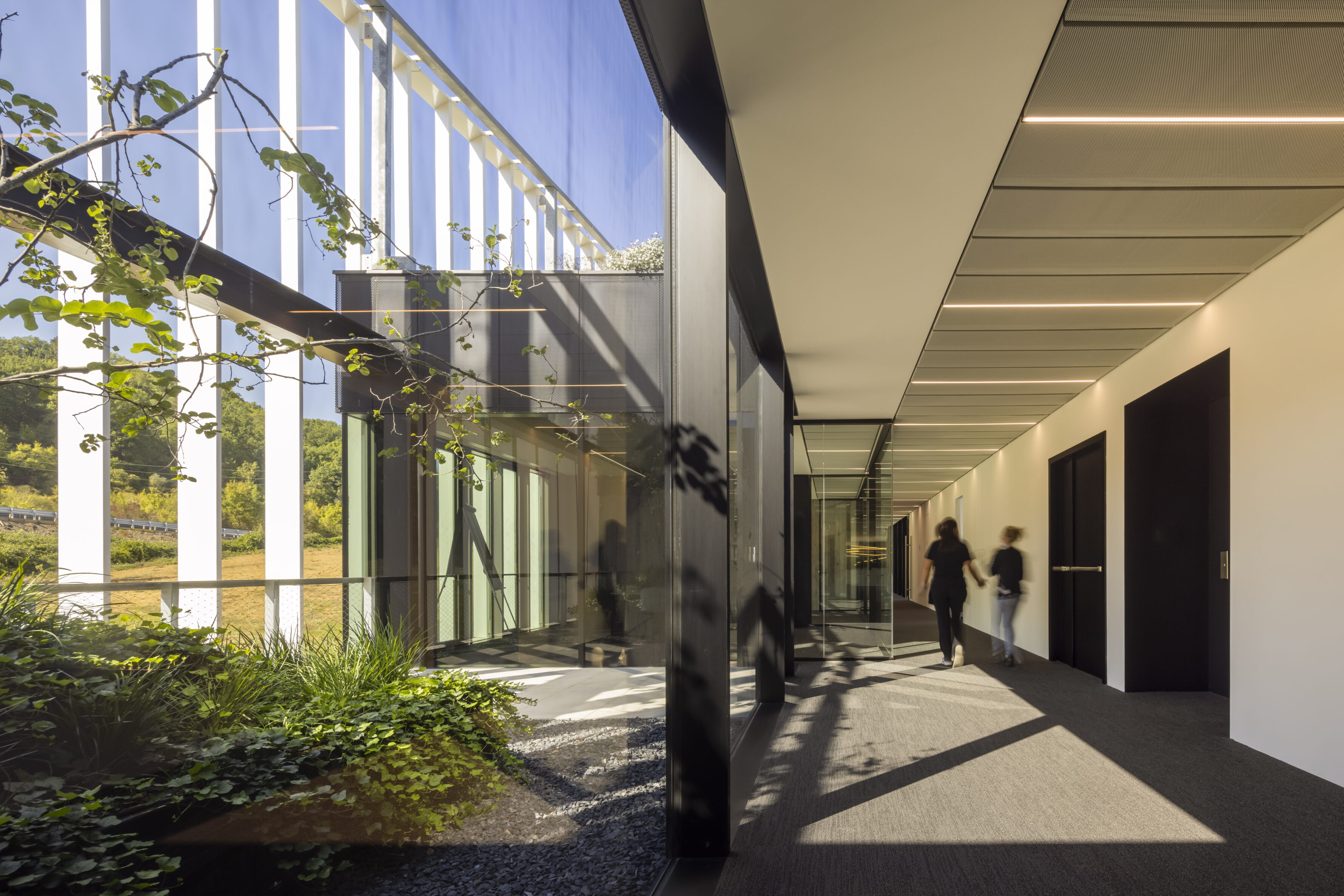
©Fernando Guerra
A Landscape That Works in Harmony with Architecture
The three main structures of the Furla Factory, one for offices and two for production and logistics, were designed to harmonize with the topography rather than disrupt it. The landscape elements play a vital role in achieving this balance, with three core interventions shaping the project: the driveway, the terraces, and Piazza Furla.
- The Driveway: An orderly row of cypress trees, reminiscent of classic Tuscan villa entrances, guides visitors towards the facility, establishing an immediate sense of place and identity.
- The Terraces: Thoughtfully integrated into the natural contours of the land, these terraces ensure minimal environmental impact while offering green spaces that encourage relaxation and interaction.
- Piazza Furla: As the heart of the headquarters, this central square functions as a communal meeting space, linking administrative and production areas seamlessly and fostering engagement among employees.
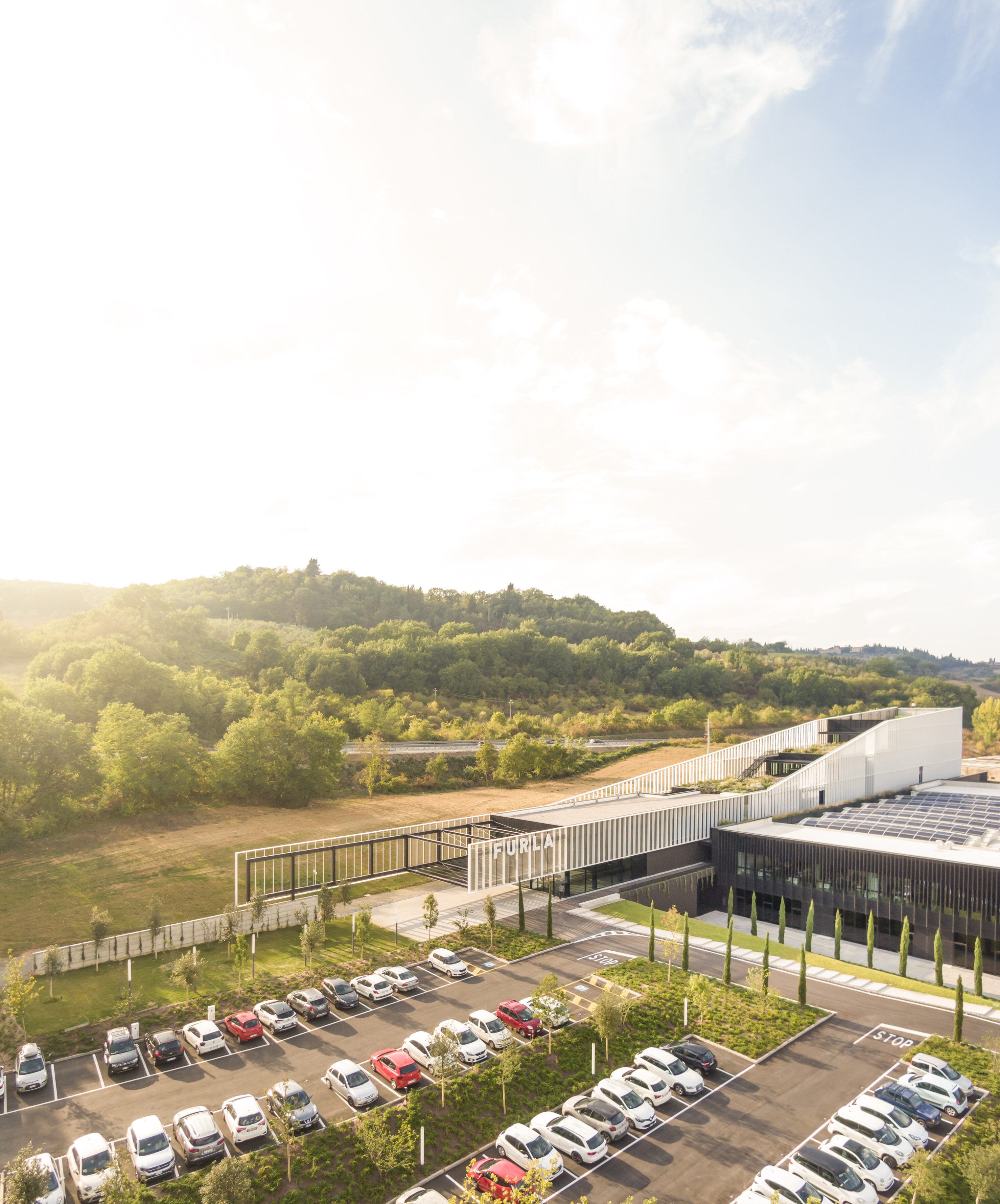
©Fernando Guerra
Sustainability as a Core Principle
LAND’s approach to the Furla Headquarters was rooted in sustainability. We preserved a significant group of century-old oak trees, transforming them into natural shade providers for the car park. The vegetation strategy included 150 trees, 70 of which are Cupressus sempervirens, along with 13,500 square meters of meadows and 1,100 square meters of shrubs. This carefully curated greenery not only enhances the aesthetic appeal but also contributes to biodiversity, air purification, and overall ecological balance.
Green roofs and patios further blur the boundaries between interior and exterior, creating spaces that allow employees to work in an environment enriched by natural light and vegetation. By incorporating these elements, the project fosters a sense of well-being, making the workplace an inviting and energizing space.
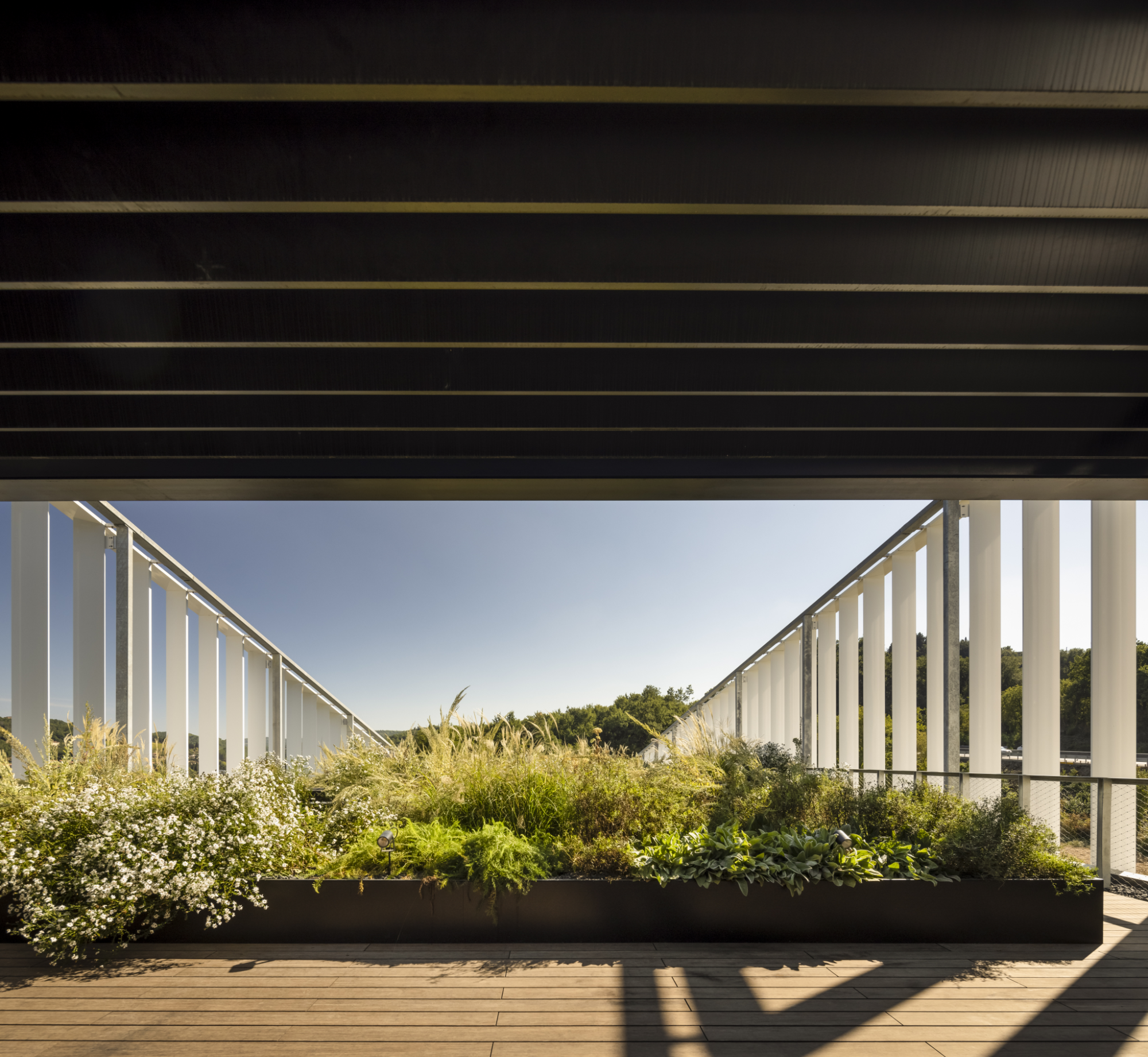
©Fernando Guerra
Where Innovation Meets Tradition
Furla Progetto Italia is a celebration of innovation intertwined with tradition. By respecting the natural morphology of the site and drawing inspiration from the Tuscan landscape, the headquarters reflect Furla’s dedication to quality, craftsmanship, and sustainability. The project exemplifies how industrial architecture can be redefined – moving beyond mere functionality to create spaces that inspire, uplift, and connect people with nature.
At LAND, we believe that landscapes tell stories. In Furla Progetto Italia, the story is one of harmony, where the past and present converge to shape a future that is both sustainable and deeply rooted in its surroundings. This project serves as a benchmark for how companies can integrate nature into their identity, proving that even in industrial settings, the landscape remains an essential protagonist.
©Fernando Guerra