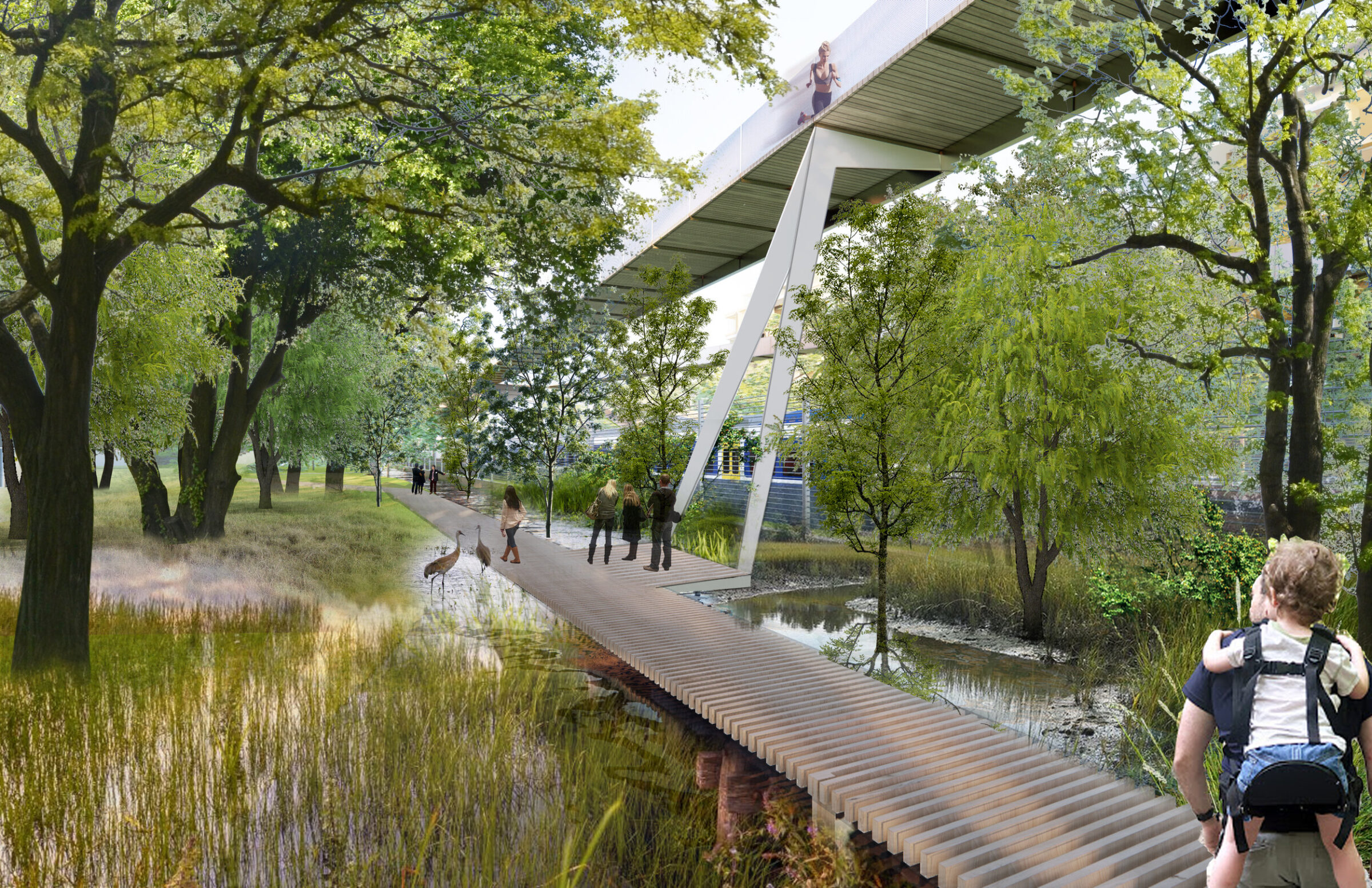
Parco Romana, Milan
Italy
LAND is part of an international team that has won a significant competition to realise Parco Romana, an urban redevelopment project in Milan’s Porta Romana district. This project respects the site’s industrial legacy while revitalising it with contemporary, sustainable programmes.
Geography
Status
Year
2021-ongoing
Area Size
20 ha
Partners
Outcomist, Diller Scofidio + Renfro, PLP Architecture, Carlo Ratti Associati, ARUP
Key project datas
68% of the surface consists of an urban park and public spaces, 3.500 trees contributing to the ForestaMi project, 33.000 square meters of green areas that guarantee ecological continuity and development of the “Green Rails” and “Green Rays” vision, 1.1 km of elevated forest that guarantee an East-West connection
LAND is part of an international team that has won a significant competition to realise Parco Romana, an urban redevelopment project in Milan’s Porta Romana district. This project respects the site’s industrial legacy while revitalising it with contemporary, sustainable programmes.
Geography
Status
Year
2021-ongoing
Area Size
20 ha
Partners
Outcomist, Diller Scofidio + Renfro, PLP Architecture, Carlo Ratti Associati, ARUP
Key project datas
68% of the surface consists of an urban park and public spaces, 3.500 trees contributing to the ForestaMi project, 33.000 square meters of green areas that guarantee ecological continuity and development of the “Green Rails” and “Green Rays” vision, 1.1 km of elevated forest that guarantee an East-West connection
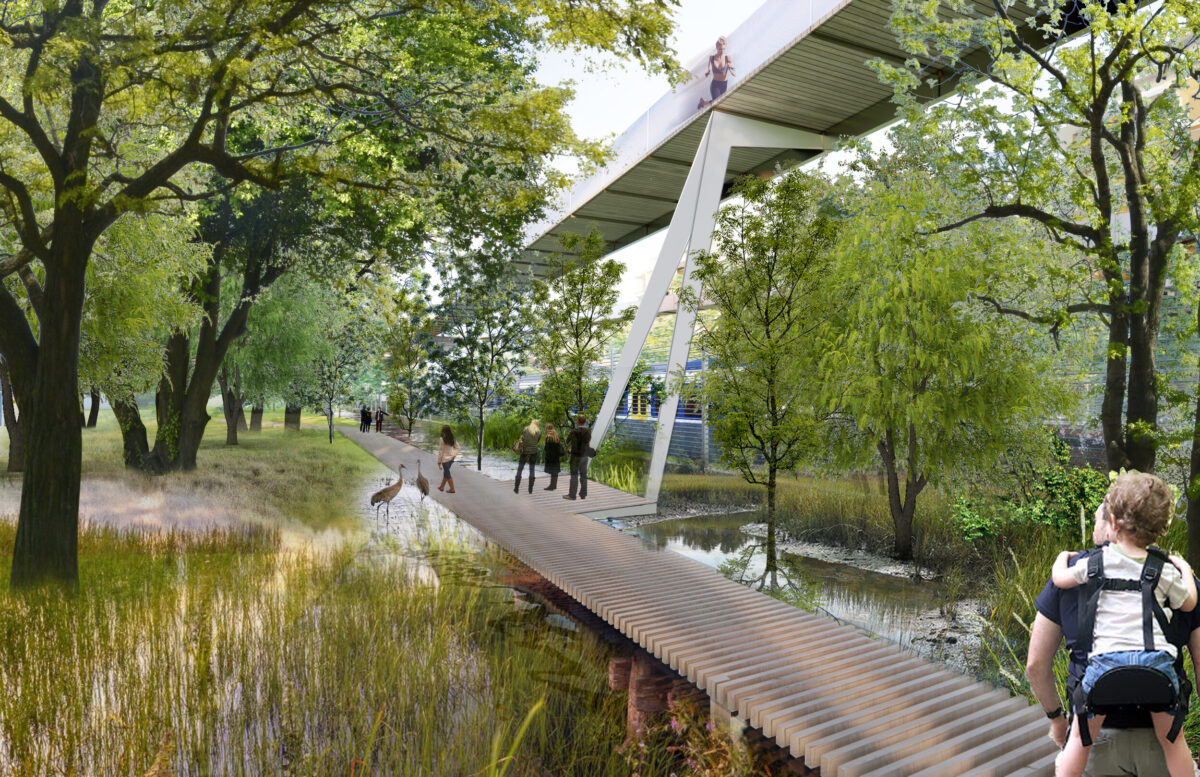
New green connections
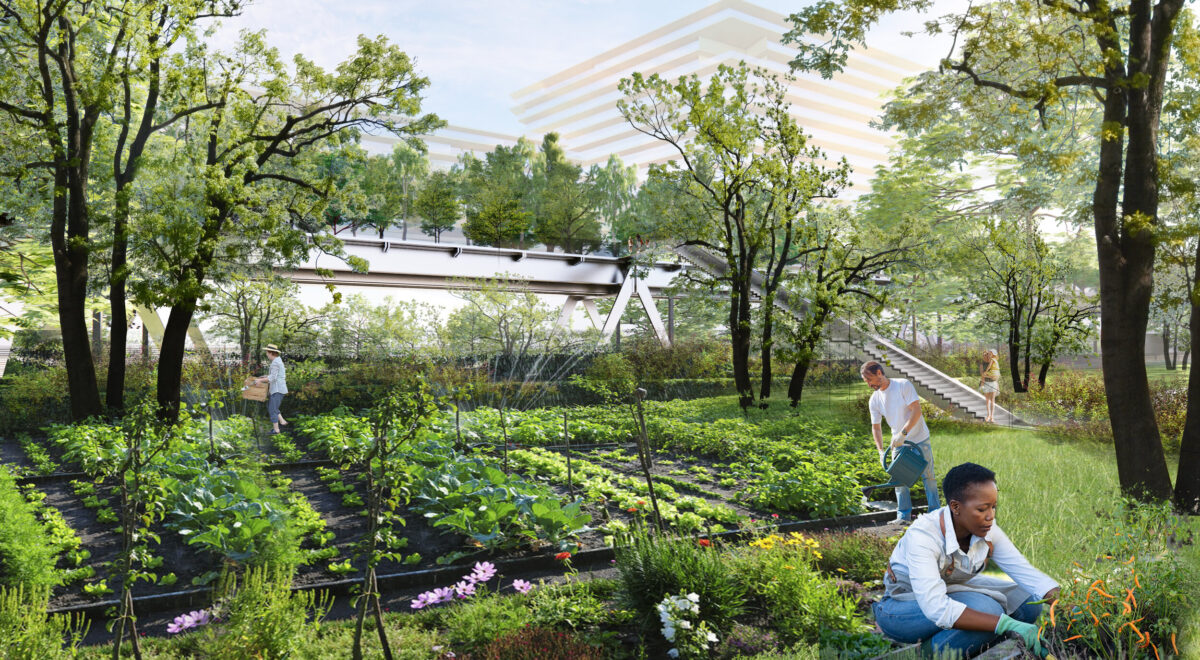
Urban Gardening
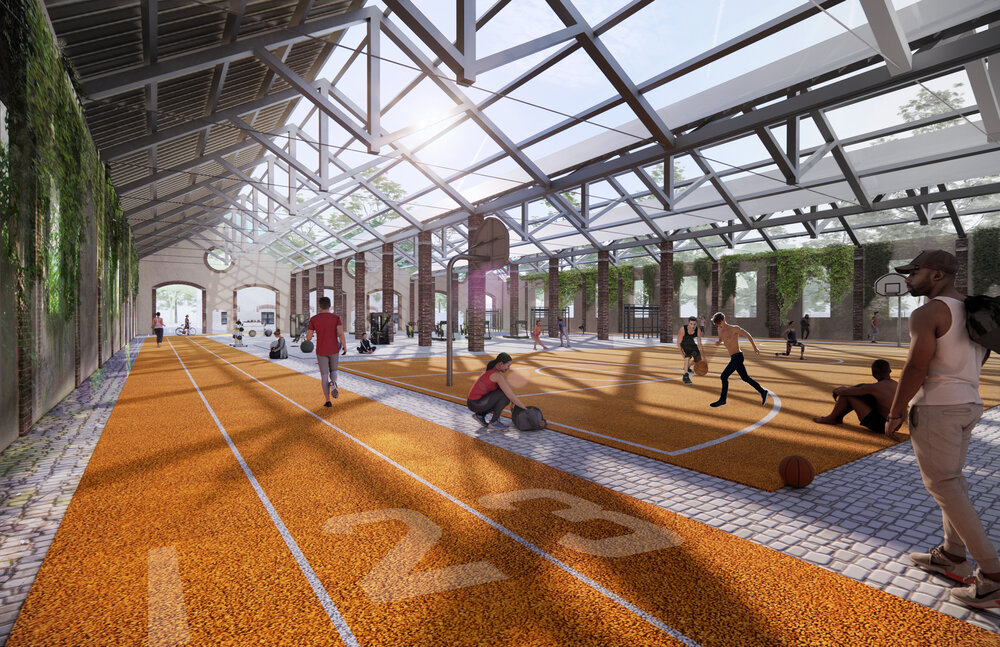
Sports facility
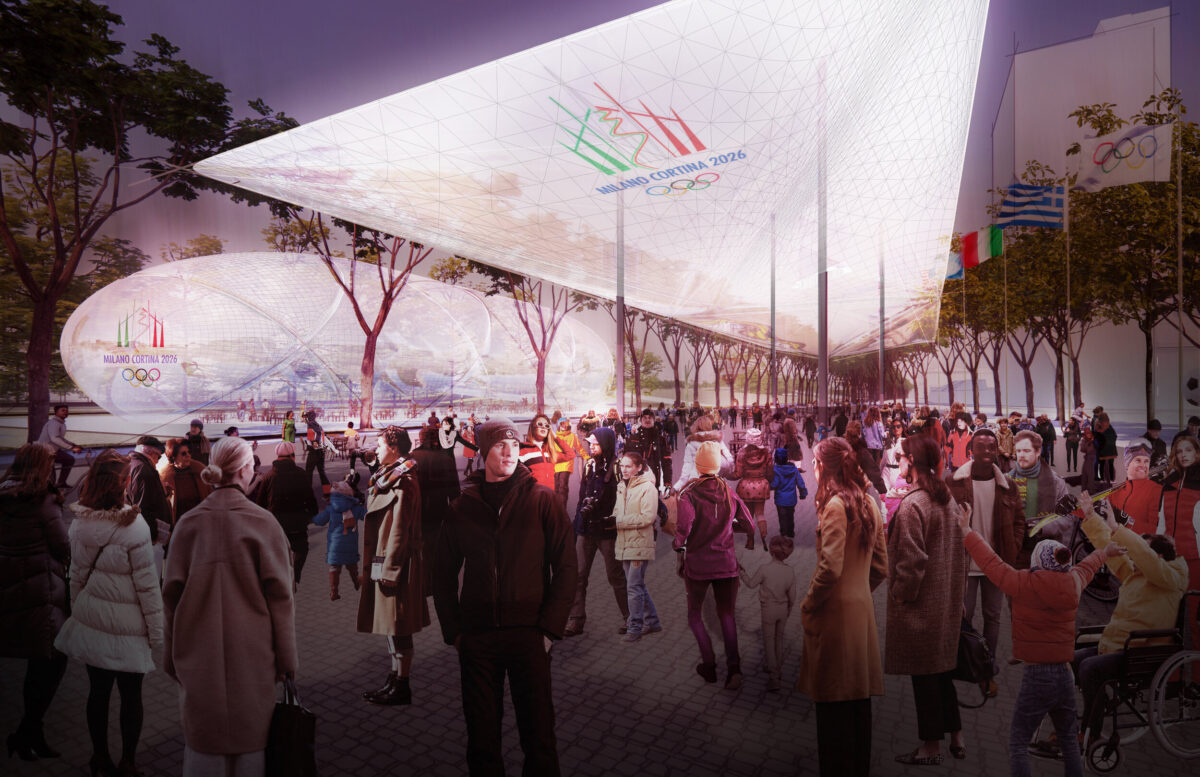
Olympic Winter Games 2026
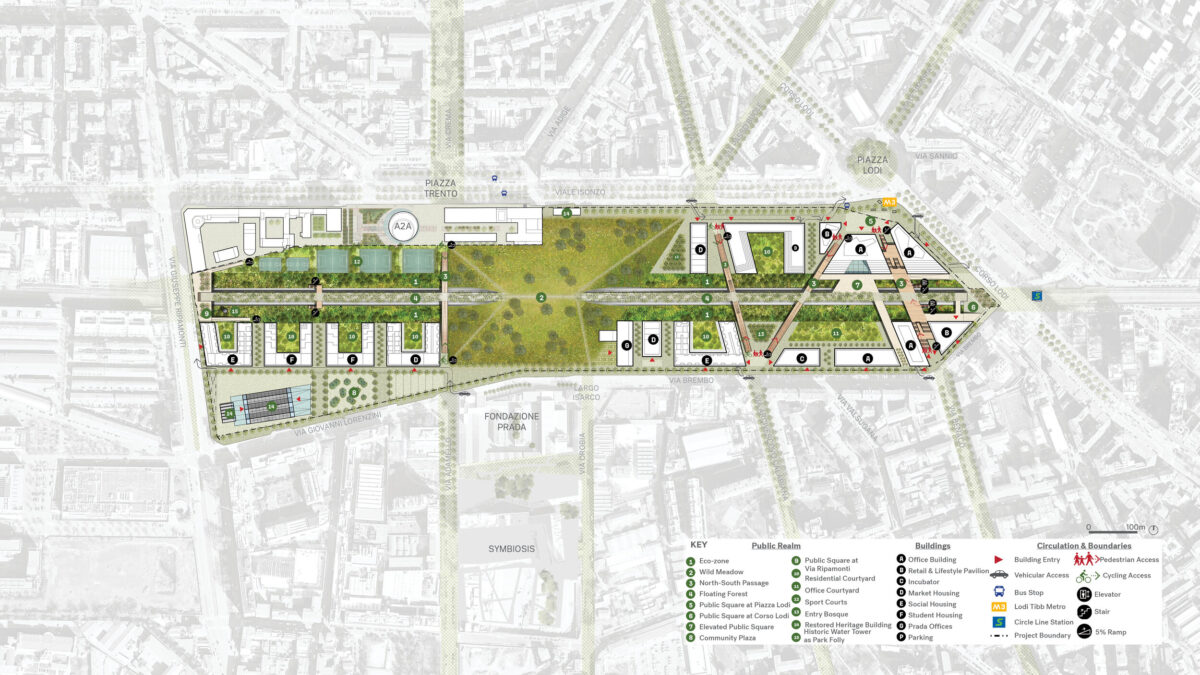
Masterplan
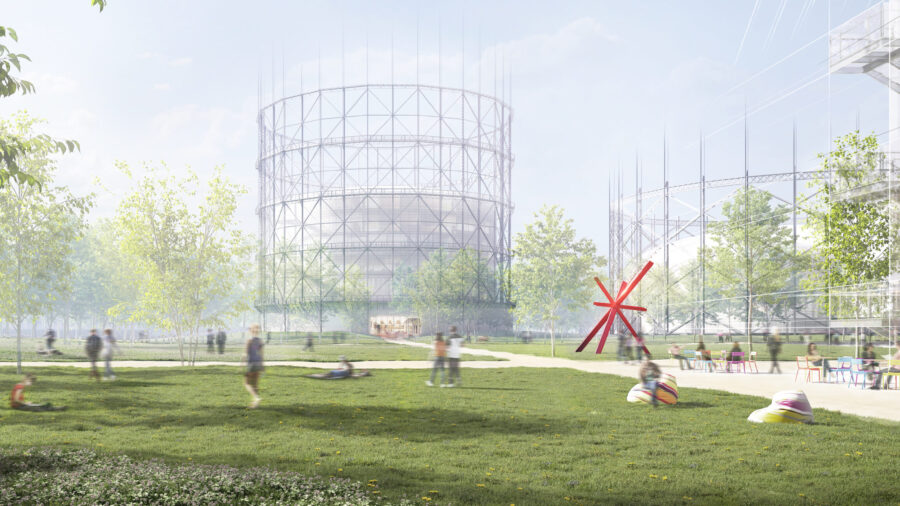
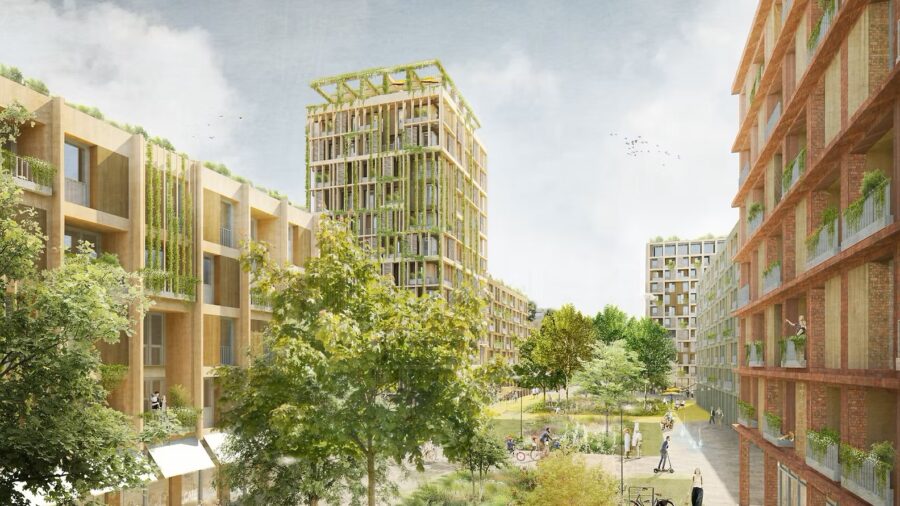
The scheme reimagines a large railway yard that has divided the area for over a century. It reconnects fragmented neighbourhoods with a vibrant, mixed-use district grounded in inclusivity, biodiversity, resilience, connectivity, and well-being. Centred around a new Great Park, the development celebrates its layered histories while offering shared environments for living and working, uniting a diverse community of residents, students, office workers, athletes, and visitors.
The park features a unique topographic design extending over the active railway, creating an accessible and multifunctional green space for the neighbourhood. The Suspended Forest, a linear elevated greenway, contains rather than erases the existing railway infrastructure, incorporating hundreds of trees and providing dedicated walking routes with unexpected views of the surrounding area. A biodiverse woodland and wetland Eco-zone interspersed with community gardens runs alongside the tracks, offering communal activities focused on health and well-being while connecting with Milan’s Green Rays environmental network.
Framing these open spaces, a series of urban blocks with landscaped courtyards reflect the scale and form of historic Milanese urban planning. The Eastern Gateway district provides a new business core for the city, with well-connected buildings facing the Eco-zone and Suspended Forest. On the western edge, a mixed-use residential district will initially house athletes for the Milan 2026 Winter Olympics. Post-Games, the park will be adapted into a permanent intergenerational residential community, featuring a central public piazza with flexible spaces for outdoor exercise, food trucks, co-working, and cultural events, integrated with renovated historic train repair sheds.
Related projects