New Cremona Hospital, Cremona
Italy
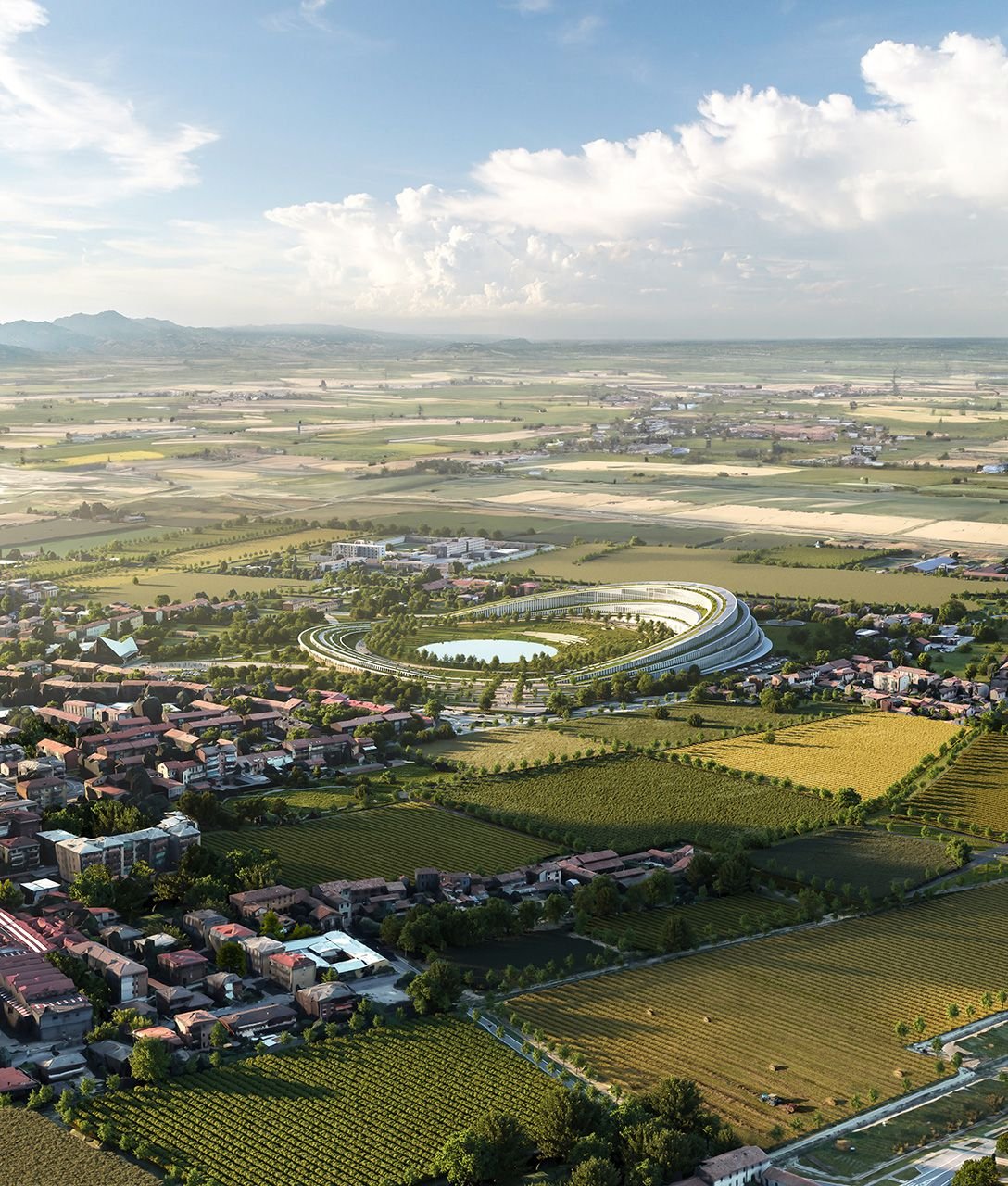
The new Cremona Hospital, by Mario Cucinella Architects, for which we designed the landscape, presents itself as a ‘city within a city’ that puts nature at the centre. The focus is on integration with the urban and environmental context at the centre with a holistic vision of the concepts of health and wellbeing of the person, integrated with the surrounding territorial systems and the health care network.
Client
Regione Lombardia and Ospedale di Cremona
Geography
Status
Year
2023 - ongoing
Area Size
20 ha
Lead Consultant
MCA
Partners
Artelia, Buro Milan
The new Cremona Hospital, by Mario Cucinella Architects, for which we designed the landscape, presents itself as a ‘city within a city’ that puts nature at the centre. The focus is on integration with the urban and environmental context at the centre with a holistic vision of the concepts of health and wellbeing of the person, integrated with the surrounding territorial systems and the health care network.
Client
Regione Lombardia and Ospedale di Cremona
Geography
Status
Year
2023 - ongoing
Area Size
20 ha
Lead Consultant
MCA
Partners
Artelia, Buro Milan

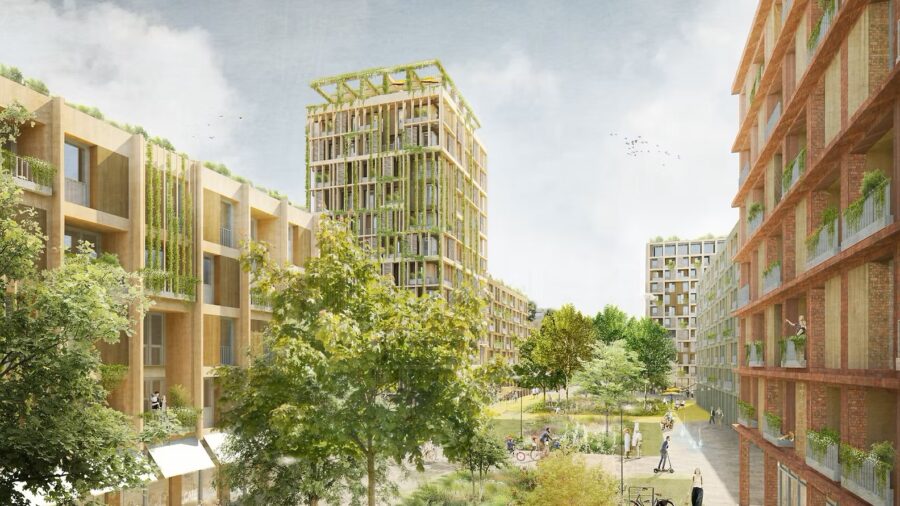
The productive landscape. Render by MCA Visual

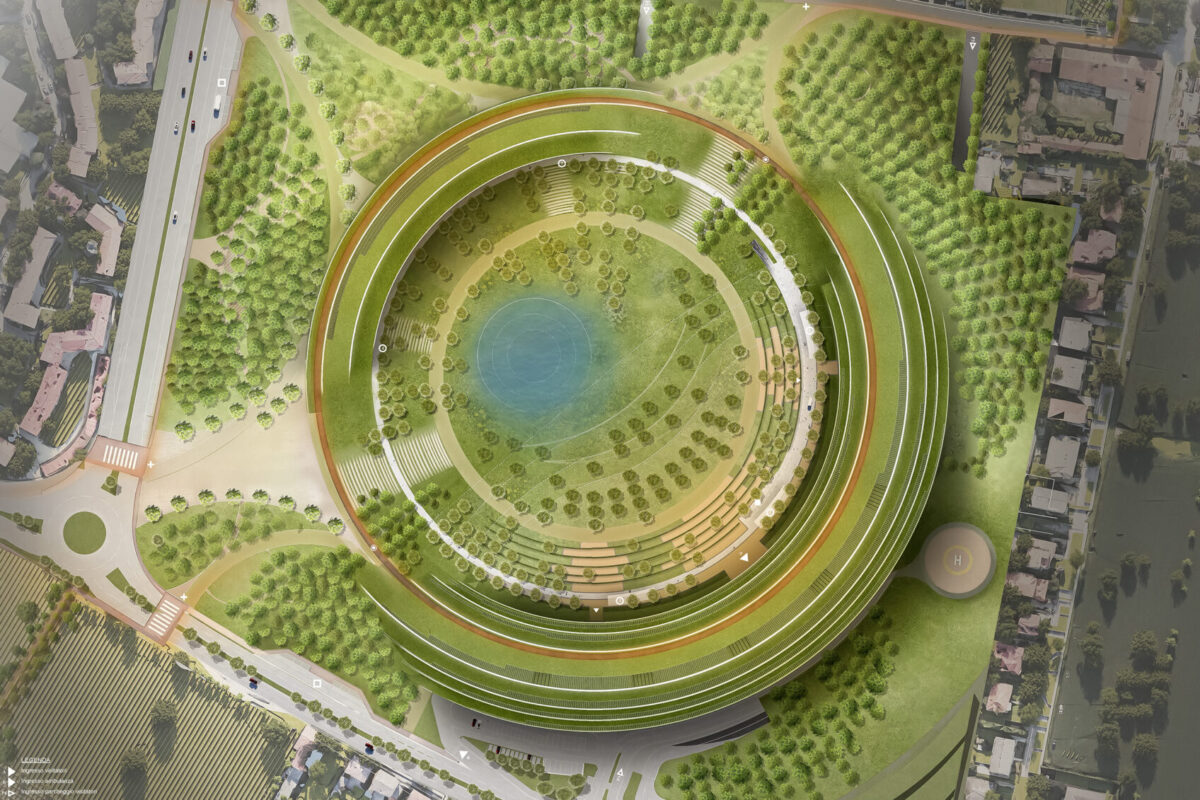

Terraces. Render by MCA Visual
Render by MCA Visual
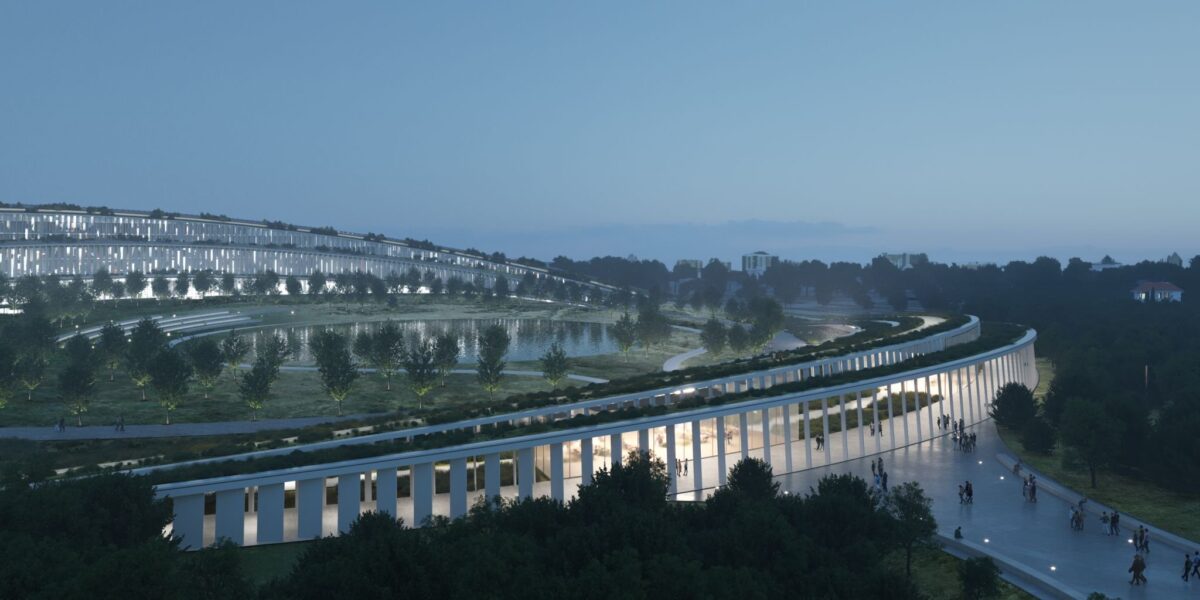
Render by MCA Visual
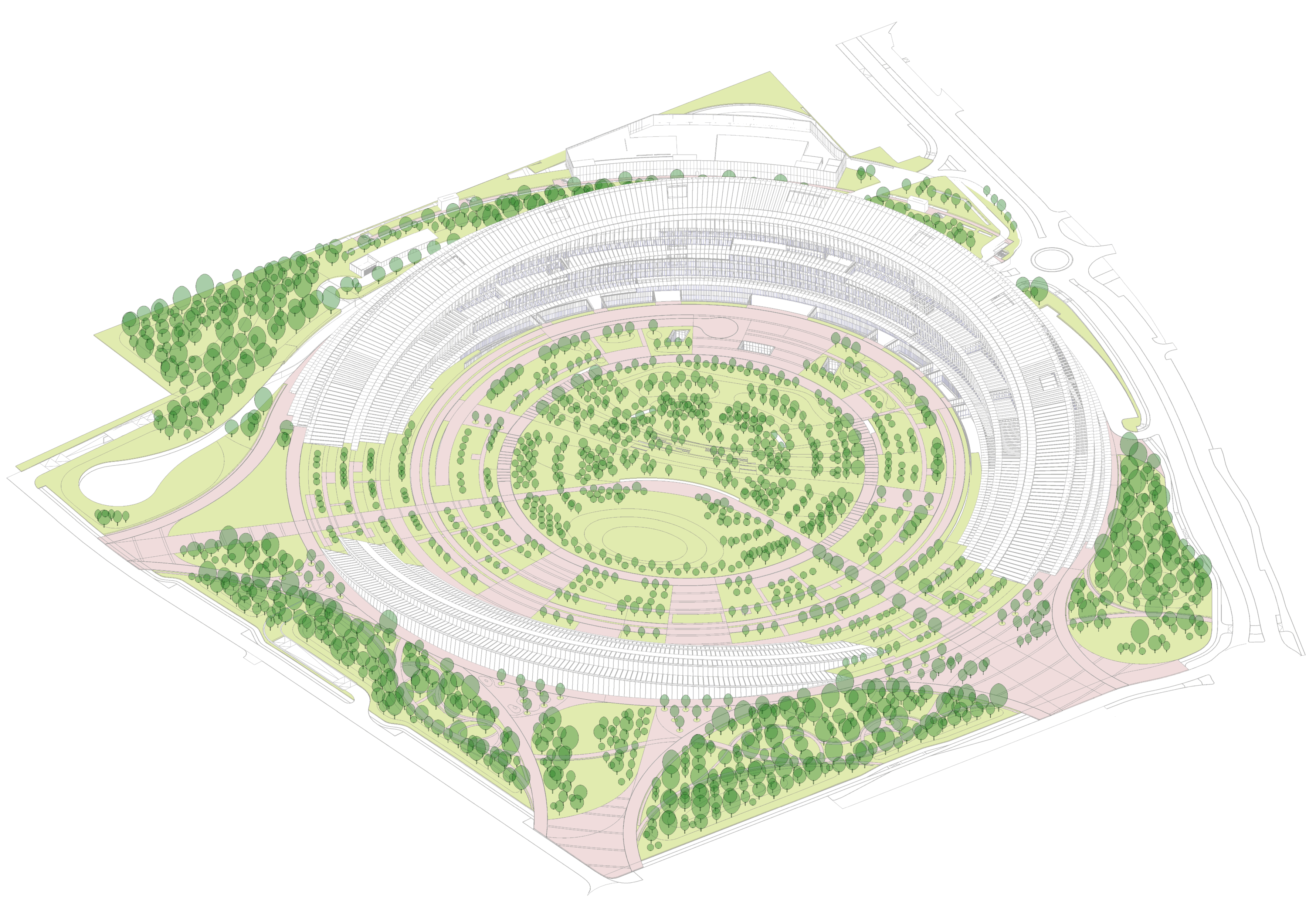
BIM Model Visualization
The new Cremona Hospital, designed by MCA, presents itself as ‘city within a city’ that not only prioritizes nature thanks to our landscaping project, but also stands as a beacon of identity for the entire Cremona. Its unique design elements and integration with the surrounding environment make it a one-of-a-kind healthcare facility.
“An architecture capable of reconciling the future of healthcare facilities with the surrounding area and giving space to a healthy nature, creating an embrace for the city of Cremona and its inhabitants”
A. Kipar
The project area is located at the extremity of Cremona’s agricultural belt, straddling the expansion of the city centre and the two environmental systems of the lower irrigated Po Valley (productive landscape) and the area of river Po erosion that shapes the territory. The radial structure of routes and urban spaces and the “river-inspired” green terraces offer a unique opportunity to reconnect Cremona with these territorial areas, constituting the eastern gateway to the natural system. We propose a regeneration that favours the promotion of agro-environmental strategies aimed at its agricultural surroundings to structure a new system of slow mobility.
The architectural structure of the New Hospital of Cremona develops in continuity with the landscape of the Health Park (a green heart with more than 1,200 trees planned) following a semicircular course, which guarantees physical and visual permeability between the two elements.
Related projects