Verona’s new Plan for the Territorial Layout
On 21 November, LAND Italia presented the Urban Ecological Transition Index at the seminar on Verona’s new Piano di Assetto del Territorio (PAT), a plan that stops expanding the city and regenerates it from within, with soil, green and water at the centre of transformation.
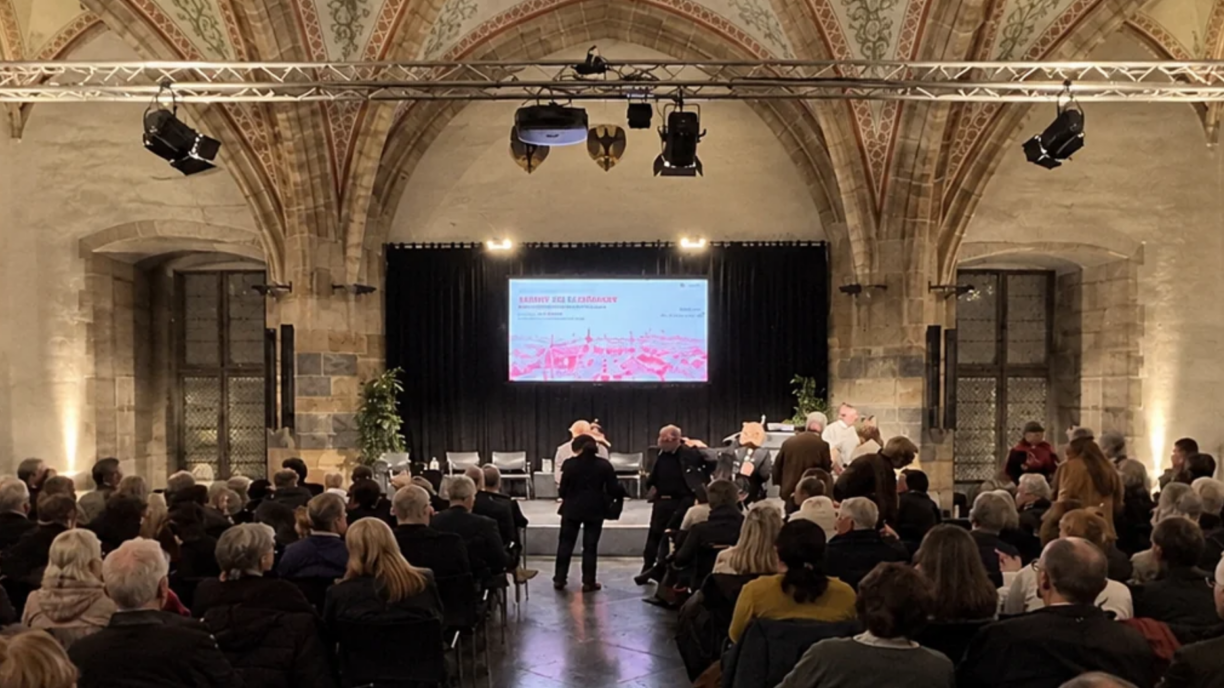
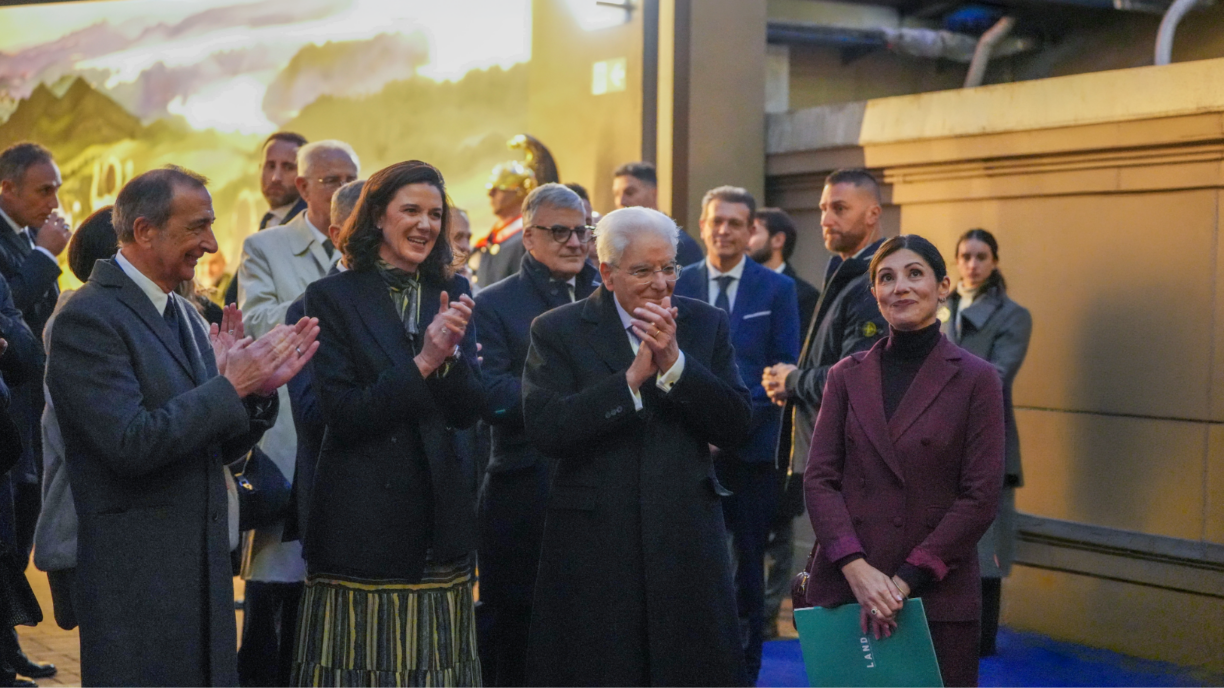
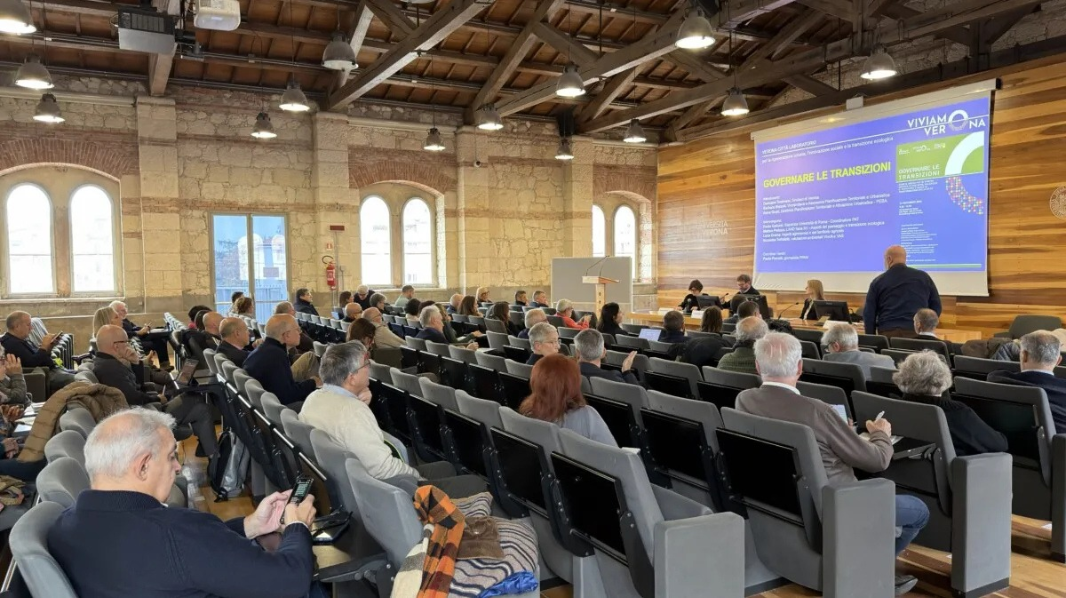
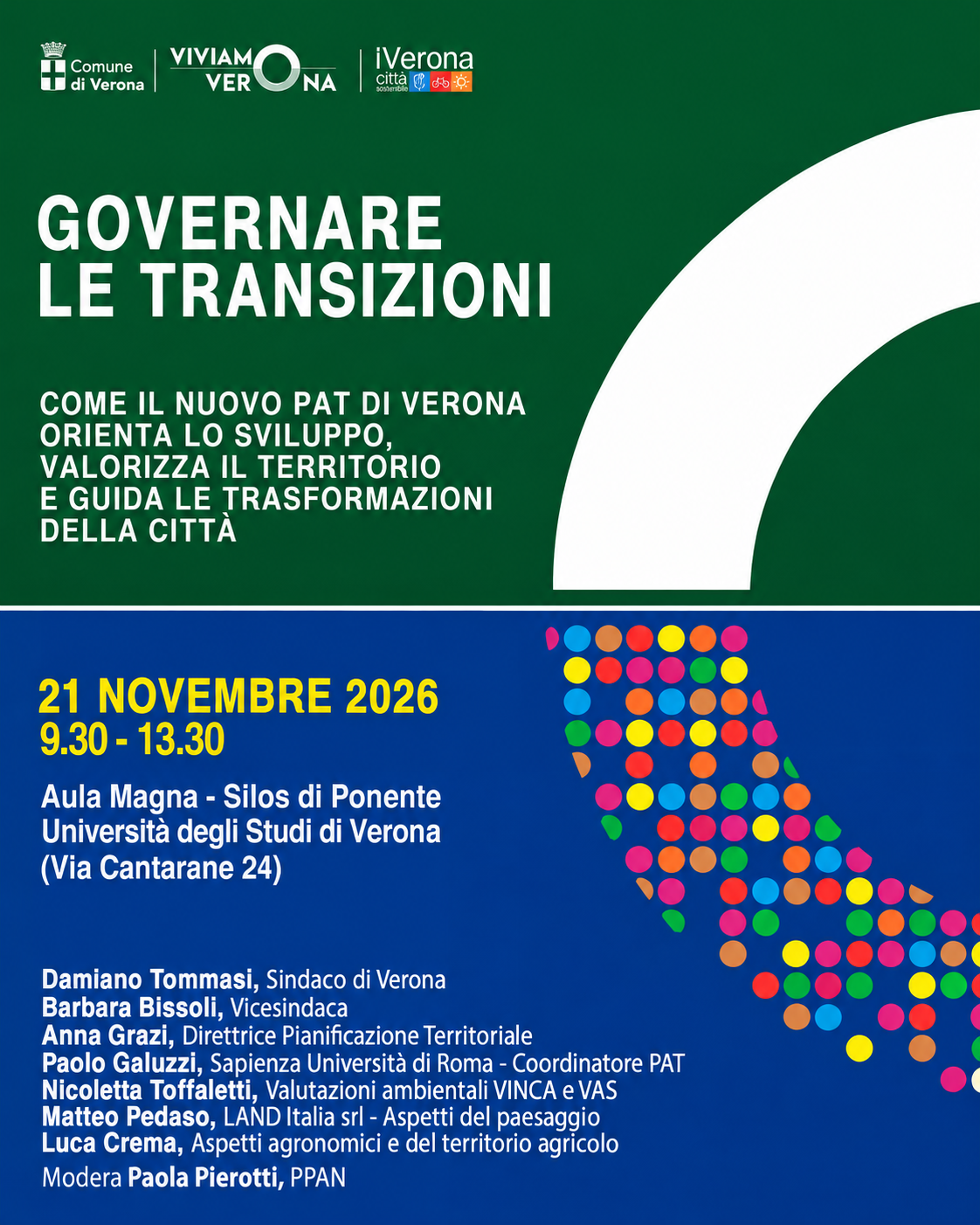
What if a city decided to stop growing outwards, and started growing better from within? Nineteen years after its previous plan, Verona answers with the new Piano di Assetto del Territorio (PAT), presented at a seminar hosted at the former Silos di Ponente of the University of Verona on 21 November 2026. A plan that concentrates transformations within the existing urban footprint and leaves behind an “expansive” and “extractive” approach to land.
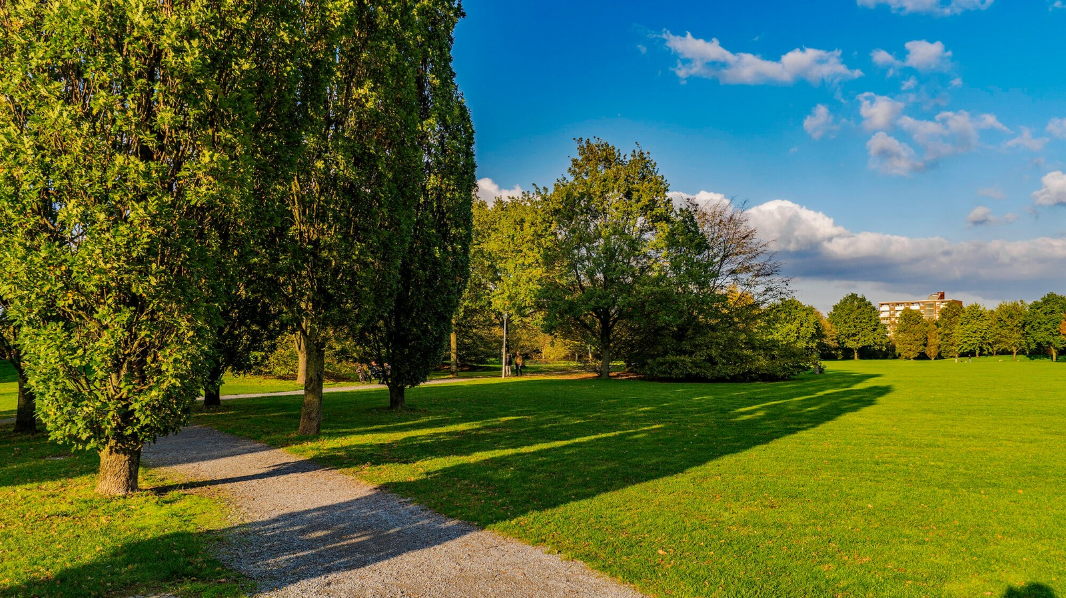
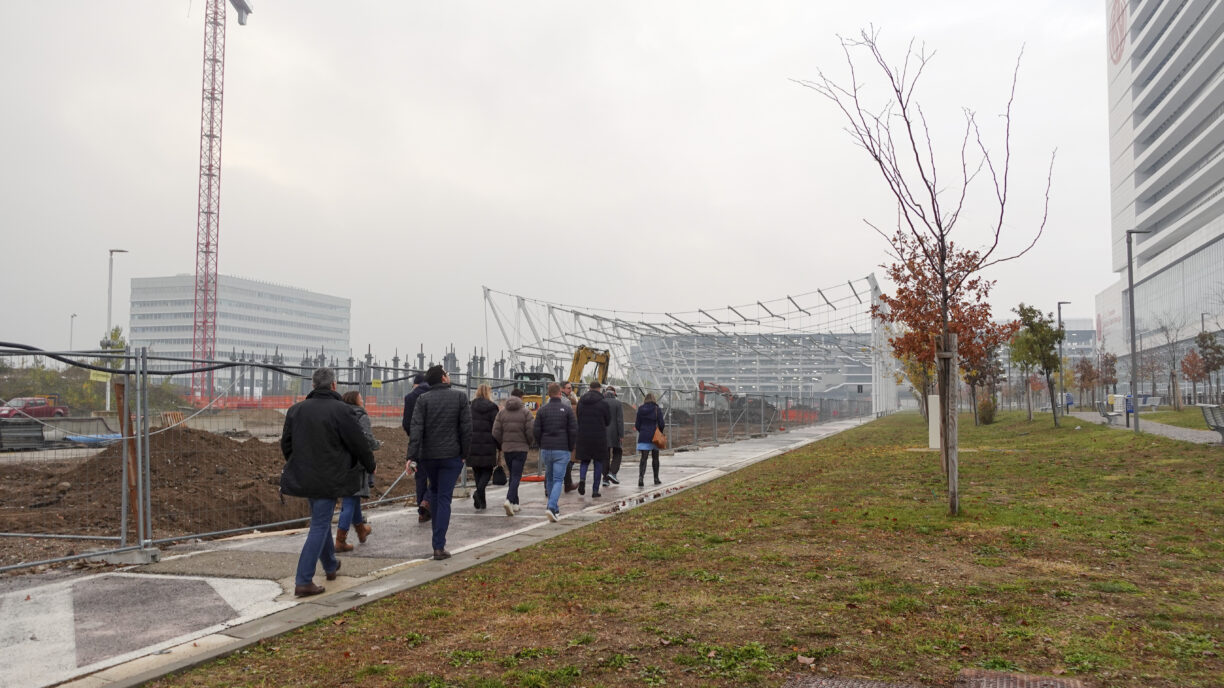
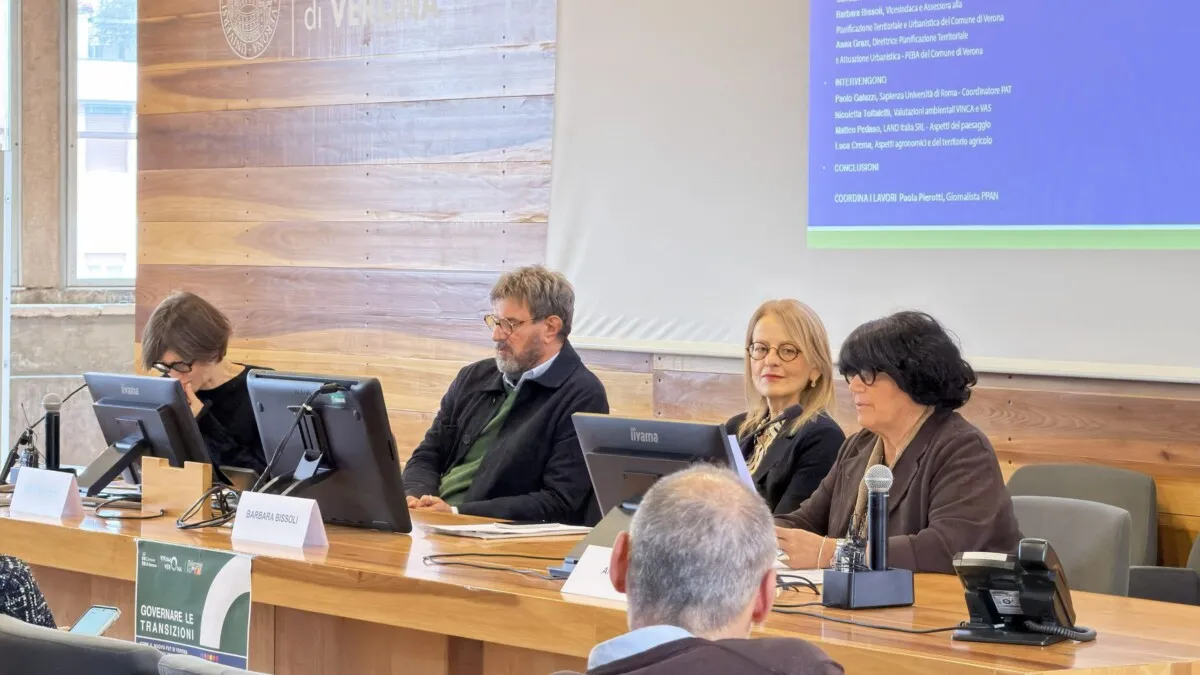
“Not owners, not dominators”, but custodians of natural resources to hand on to future generations: this is how Deputy Mayor and Urban Planning Councillor Barbara Bissoli described the perspective of the plan, rooted in a firm stand against the consumption and waste of natural soil. The urban footprint becomes the priority perimeter for transformation: recovery of disused, degraded and underused areas, protection of agricultural and natural soils, and strengthening of an ecological network that connects green, water and public spaces.
The seminar looked at how to move from strategy to concrete projects. Environmental quality is to become measurable from the design phase, with calculation and simulation tools that allow different solutions to be compared.
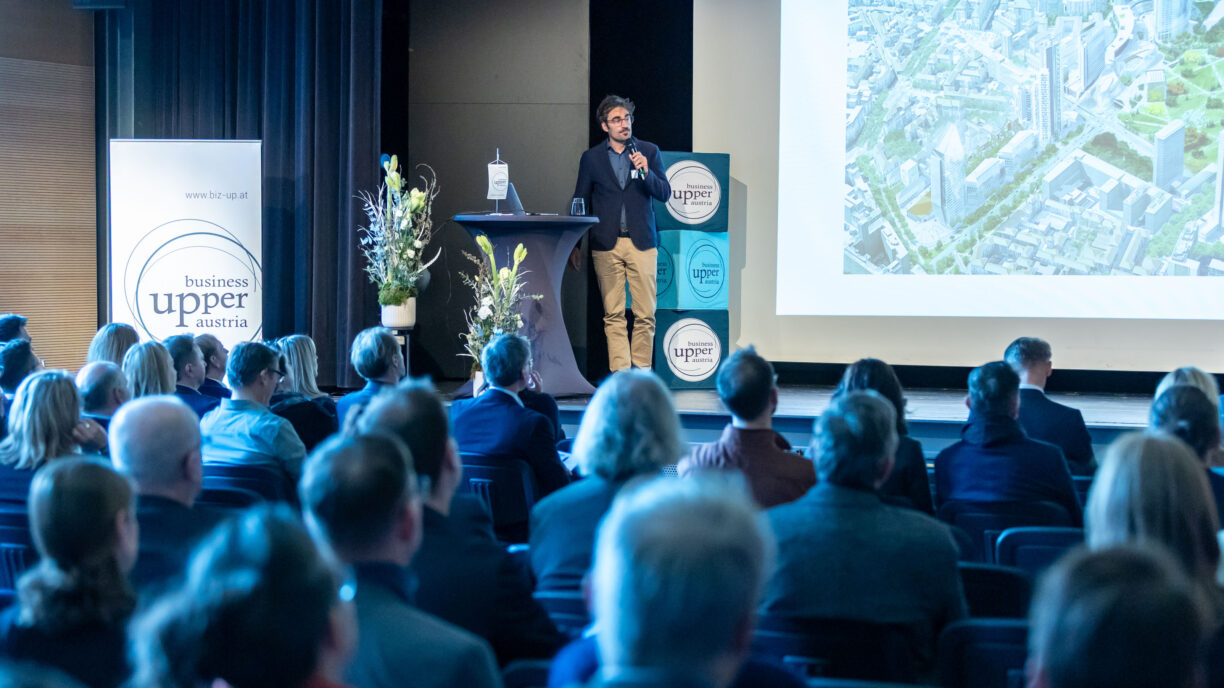
This is where LAND Italia took part, with Matteo Pedaso illustrating the tools to measure and improve the environmental performance of urban interventions. Among the main novelties is the Urban Ecological Transition Index, based on the Urban Green Factor model, which gives a value to each surface according to its ecological quality, considering permeability, vegetation, trees, green roofs and other design solutions. For the most impactful interventions, minimum requirements also cover tree cover, deep and permeable green surfaces, sustainable rainwater management and energy performance, with a canopy cover of at least 30% of the territorial surface.
© La Cronaca di Verona
The plan was preceded by a phase of listening that involved citizens, districts, associations and professional bodies. After its adoption by the city council, a new participatory phase will open, with 30 days of deposit and a further 30 days for observations.
For LAND, soil, green and water are not the backdrop of the city but its living infrastructure. With the PAT, Verona moves towards a model in which regenerating the city also means regenerating the Nature it is made of.
Don't miss out on our inspiring project stories, the latest research, and more.
All mandatory fields are marked with a *