City, Water, Justice. A reflection on the spatial distribution of blue infrastructure in Vienna
Water is a key element of climate-resilient cities and a central response to future challenges such as urban heat. In the form of lakes, rivers, fountains or mist showers, it helps to cool urban spaces, retain water and mitigate extreme weather events. Yet planning with water is more than climate adaptation alone: it also determines who gains access to recreation, cooling and protection, and who remains excluded.
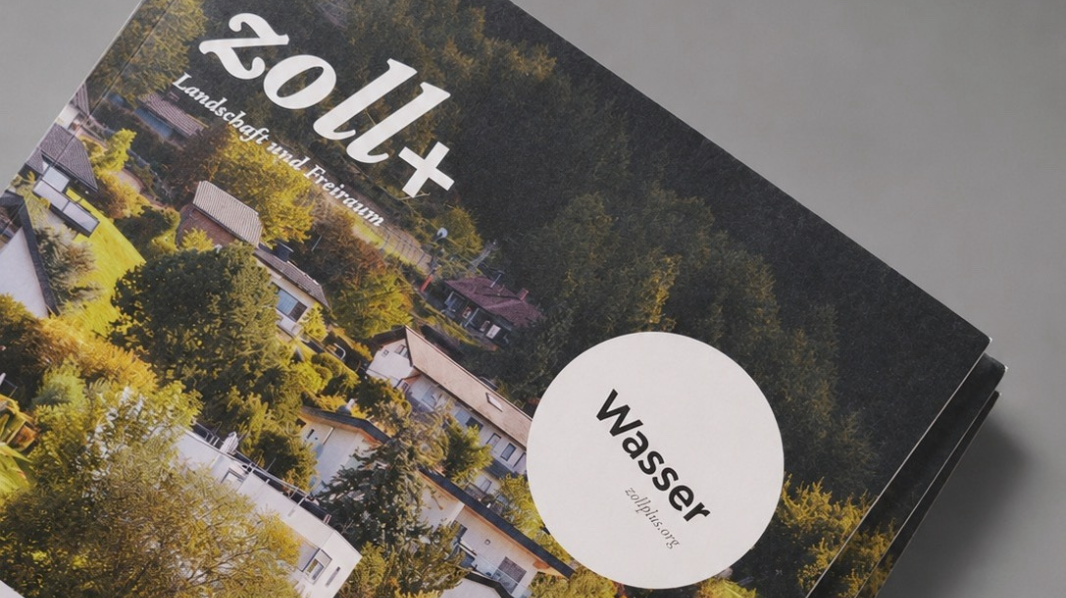
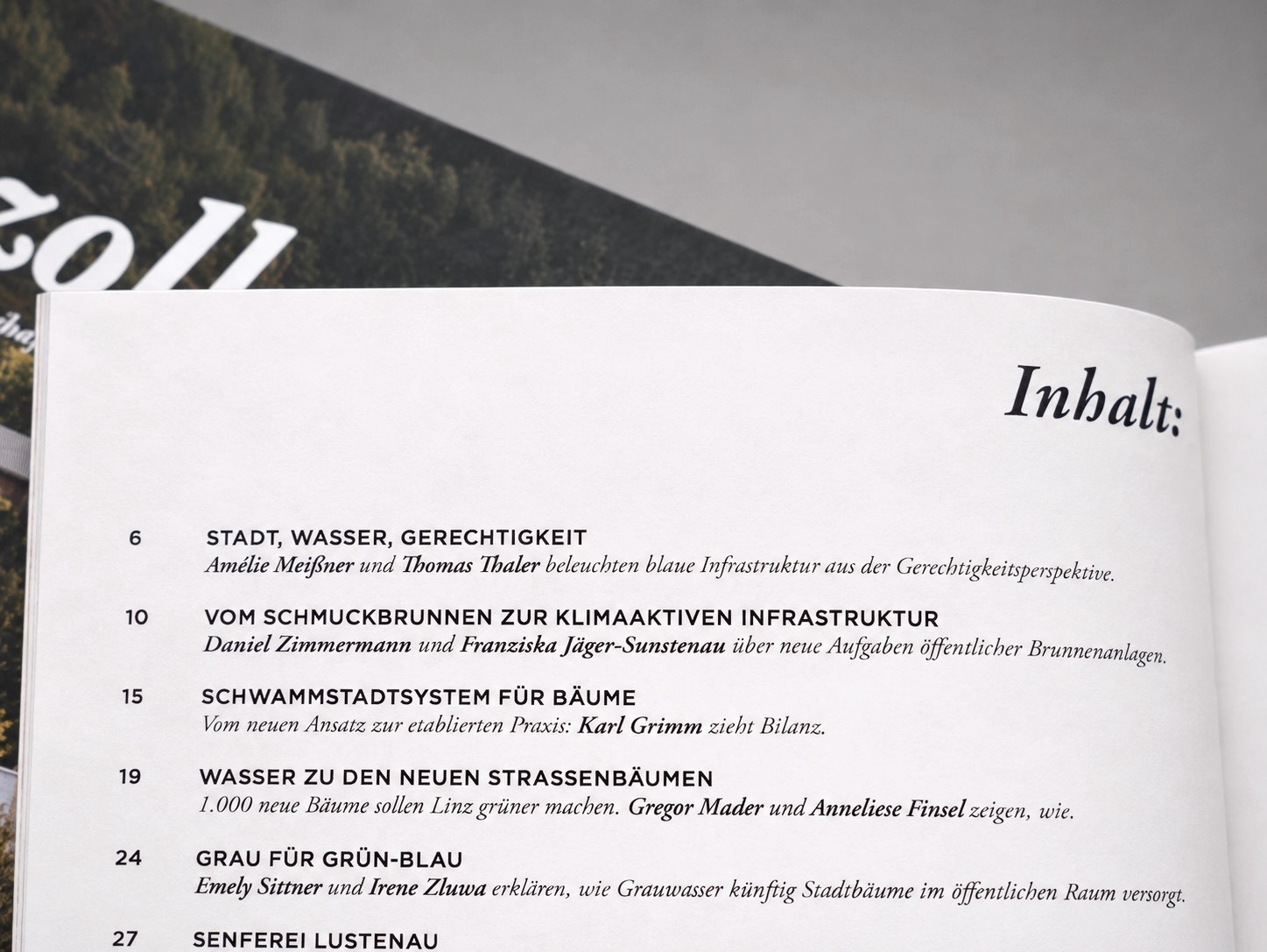
In the 2026 issue of zoll+, the magazine of the ÖGLA (Österreichische Gesellschaft für Landschaftsplanung und Landschaftsarchitektur), the Austrian association for landscape planning and landscape architecture, Amélie Meißner (LAND Germany) and Thomas Thaler (BOKU University) explore the spatial distribution of blue infrastructure in Vienna through the lens of distributive justice. Their reflection highlights how the presence of water alone does not guarantee equal access to recreation, cooling or protection.
Accessibility depends not only on proximity, but also on the possibility of actually reaching and using water-related spaces. Barriers, costs, limited shade, insufficient public transport connections, privatised riverbanks and overcrowding can restrict access. Smaller infrastructures, such as drinking fountains, shaded seating and water playgrounds, can also play an important role in everyday life, particularly for people with limited access to private adaptation options.
It’s relevant also to examine different understandings of distributive justice, from utilitarian approaches that prioritise the greatest overall benefit to libertarian perspectives centred on individual responsibility, and approaches inspired by John Rawls that prioritise those who are most disadvantaged. These perspectives lead to different planning priorities, highlighting that decisions about water are never value-free.
A fair distribution does not necessarily mean providing the same resources everywhere. Depending on the understanding of justice adopted, planning may prioritise the greatest overall benefit or focus on areas and population groups facing greater disadvantages. This distinction is particularly relevant in climate-resilient urban development, where access to cooling, protection and public spaces is not equally available to everyone.
Vienna offers a tangible example. The Danube Canal, the Old and New Danube, Danube Island, drinking fountains, mist showers and water playgrounds form part of the city’s blue infrastructure. However, their presence does not automatically ensure equitable access. Questions of accessibility, comfort, safety, affordability and connectivity remain central to how these spaces can be experienced and used.
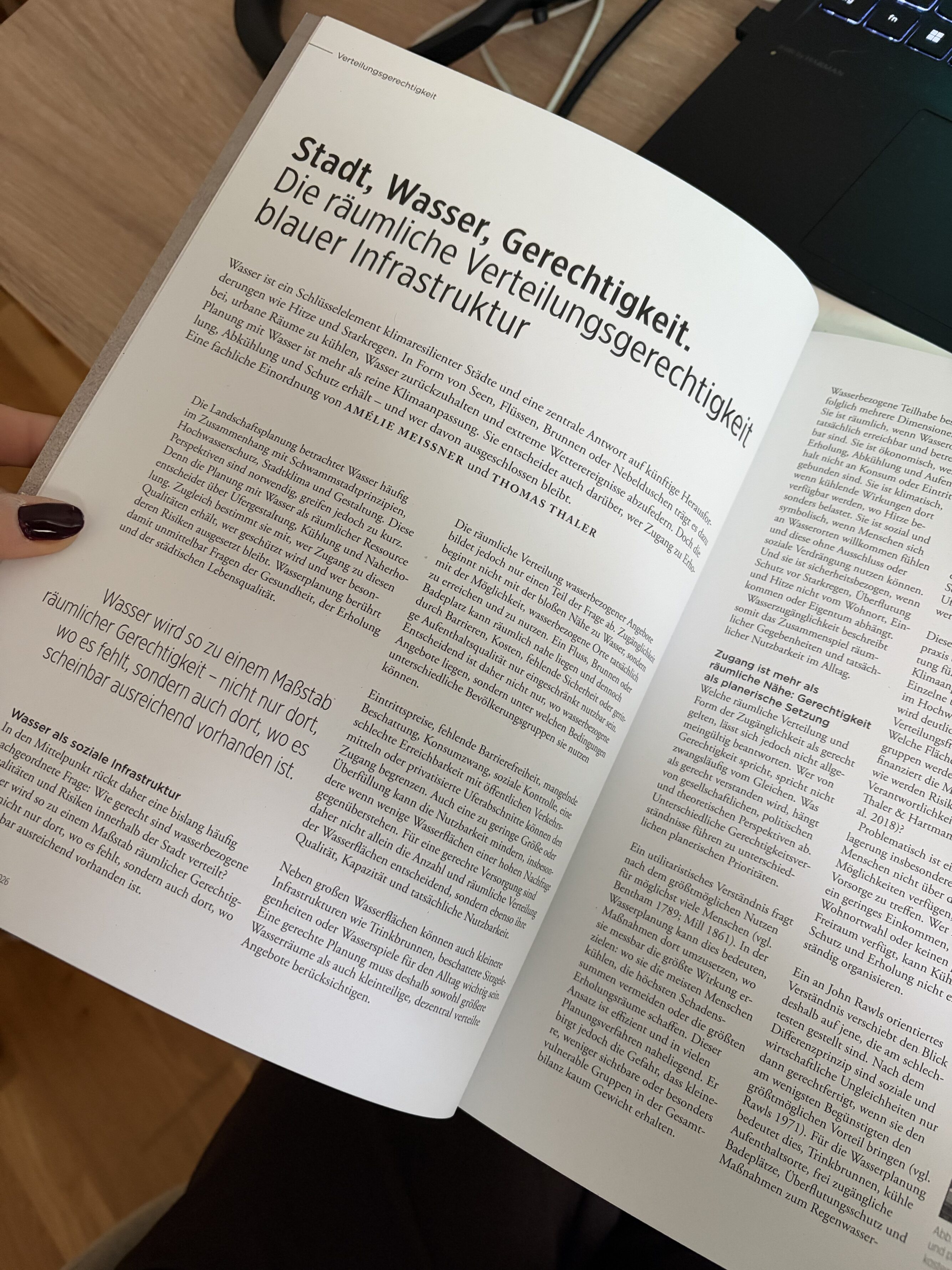
The reflection ultimately highlights the responsibility of landscape planning in shaping how water-related qualities are distributed across the city, and whether water is experienced as a public good accessible to all or as a privilege enjoyed by certain groups.
Don't miss out on our inspiring project stories, the latest research, and more.
All mandatory fields are marked with a *