CLIMAAX - BOMAAX
Bozen, Italy
CLIMAAX is the flagship project of the European Union Mission on Adaptation to Climate Change, supporting local and regional authorities across Europe in strengthening climate risk assessment and developing effective adaptation strategies. By providing financial, analytical, and operational support, the initiative contributes to a more harmonized and integrated European approach to climate resilience and emergency risk management.
CLIMAAX is the flagship project of the European Union Mission on Adaptation to Climate Change, supporting local and regional authorities across Europe in strengthening climate risk assessment and developing effective adaptation strategies. By providing financial, analytical, and operational support, the initiative contributes to a more harmonized and integrated European approach to climate resilience and emergency risk management.
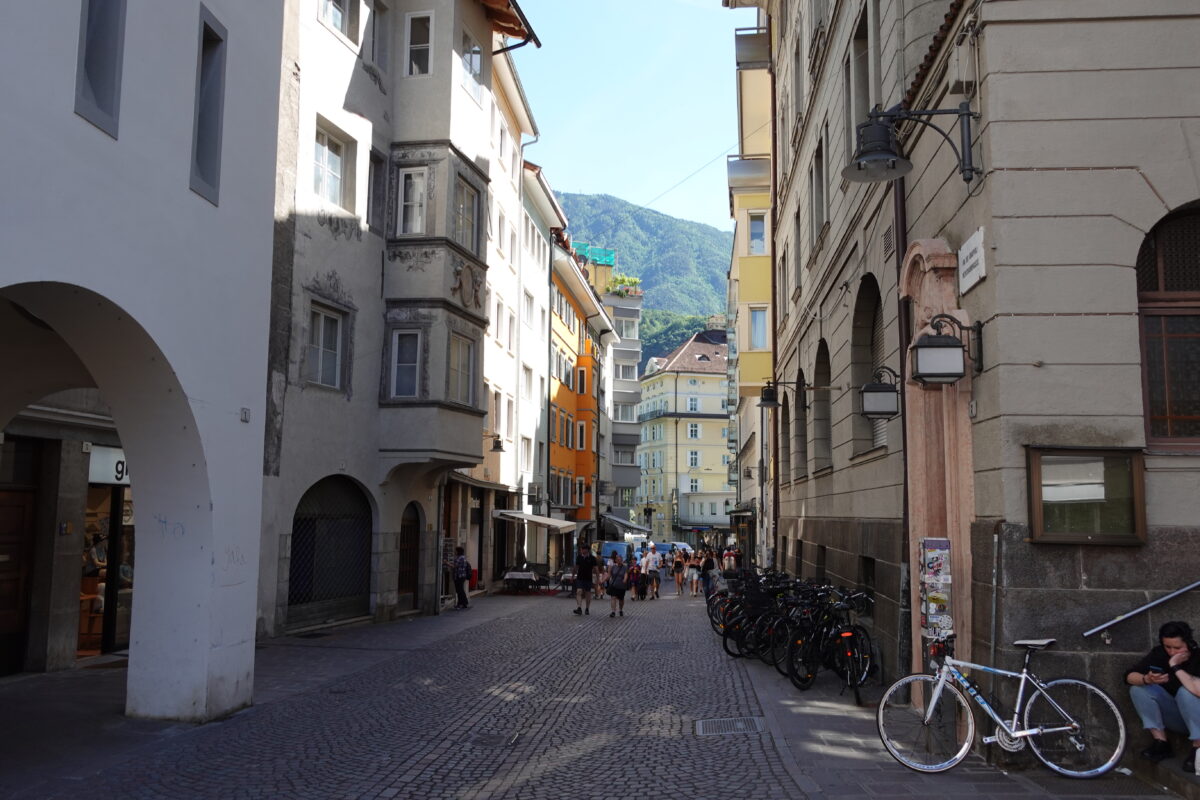
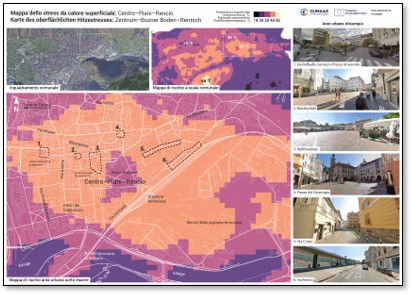
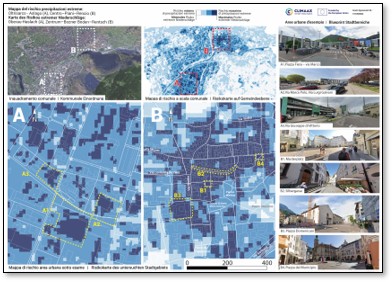
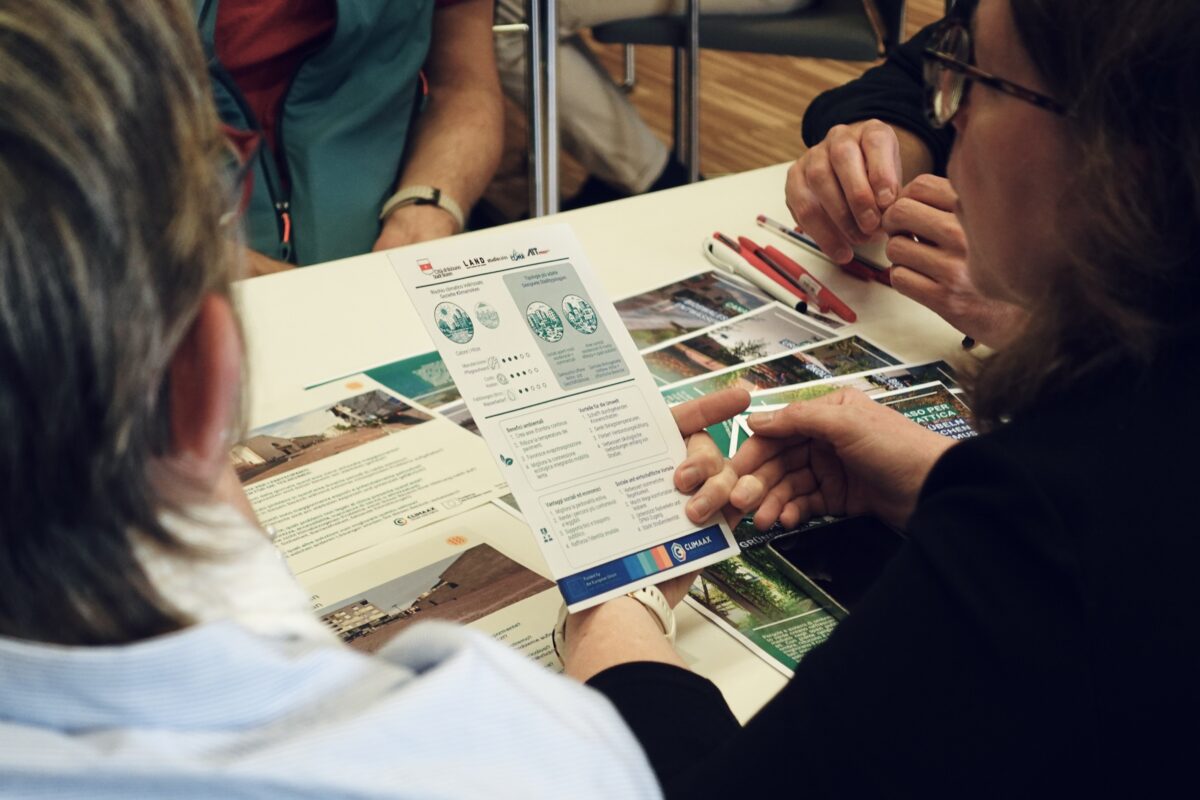
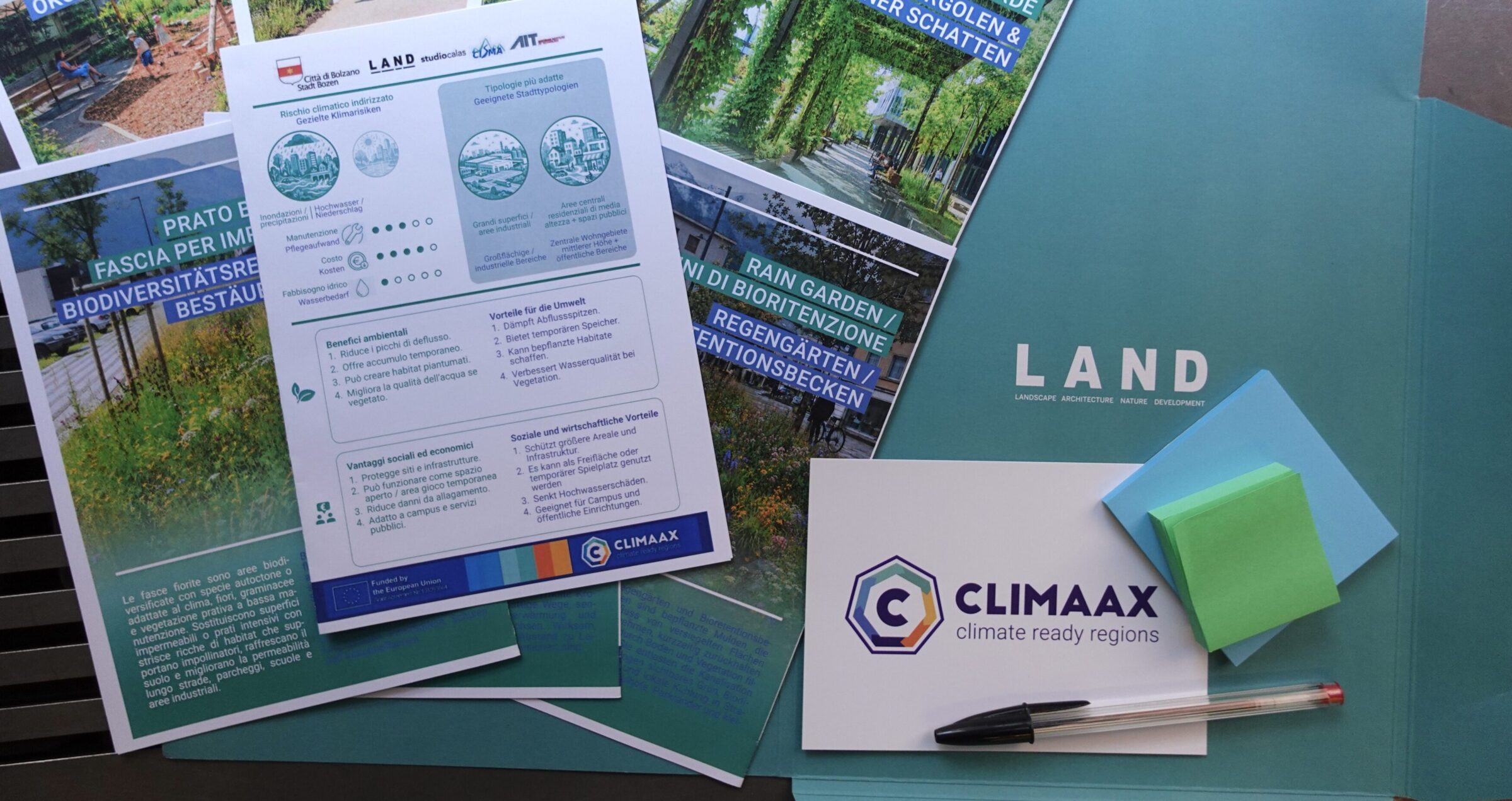
Within this framework, the Municipality of Bolzano / Bozen is participating through the EU-funded sub-project BOMAAX, focused on addressing two of the city’s most pressing climate challenges identified in the Sustainable Energy and Climate Action Plan (SECAP): heatwaves and intense rainfall events.
Coordinated by the Office of Geology, Civil Protection and Energy of the Municipality of Bolzano, the project aims to estimate the future evolution of these climate risks, assess their impacts on the urban territory, identify the most exposed and vulnerable areas, and develop operational guidelines to mitigate the effects of climate change on both local communities and the economy.
LAND supports the Municipality in implementing the project activities through an integrated and landscape-based approach. The work is developed in collaboration with local climate specialists CISMA, with the Austrian Institute of Technology (AIT) and with Studio Calas, supporting social mediation and participatory processes.
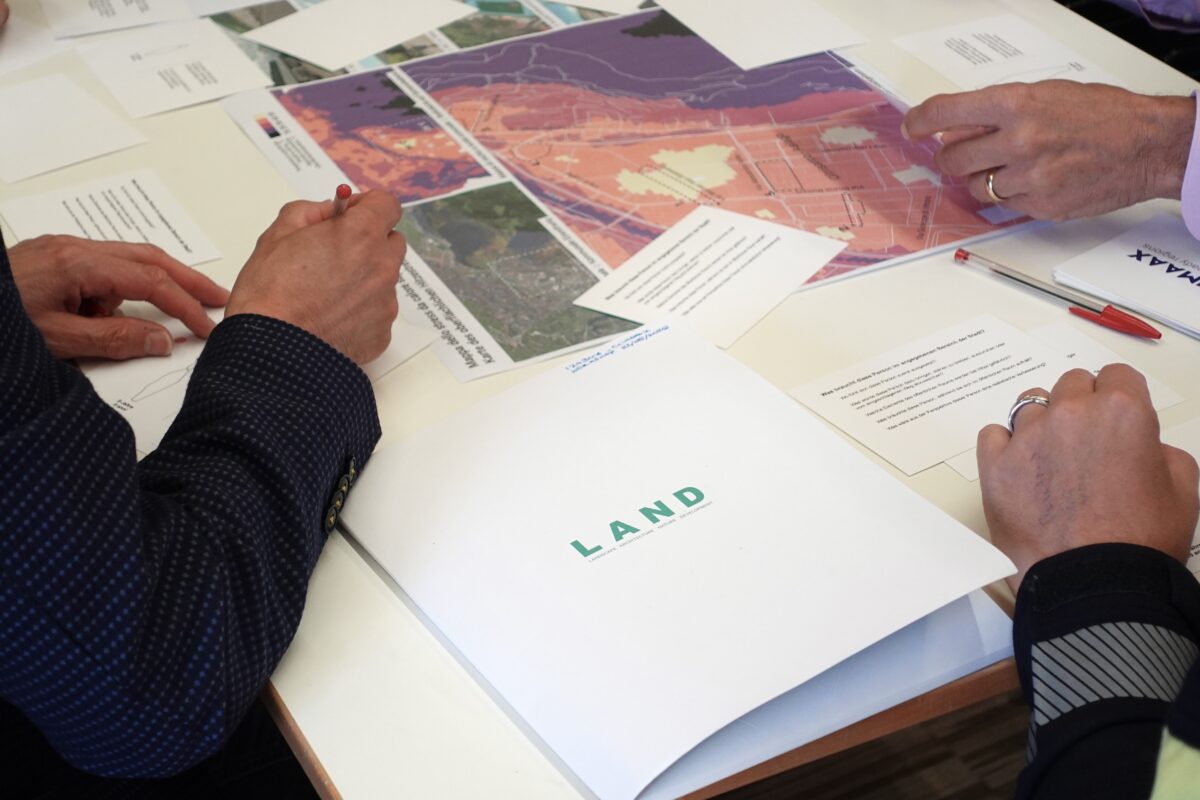
At the core of BOMAAX lies the understanding that climate adaptation cannot be addressed through technical measures alone. Through workshops, stakeholder dialogues, and participatory activities, the project actively involves institutions, experts, local actors, and citizens in defining priorities, collecting observations and proposals, and identifying concrete adaptation pathways, ensuring that resilience strategies remain socially inclusive as well as environmentally effective.
Related projects