Newsletter #26: Jumping out of the Garden
The beginning of a year is not only a moment of movement, but one of orientation. Before we accelerate, we pause to ask ourselves: Where do we stand? And what truly carries us forward?
To answer such questions, I am at once inspired by Paul Klee’s reflections on form and design (Form- und Gestaltungslehre). In these lectures dating back over a hundred years, Klee describes two fundamental paths through which we come to understand Nature: the path of the World, a way of cosmic togetherness, shaped by movement and dynamism, and the path of the Earth, rooted in shared terrestrial presence and defined by stability. For Klee, these paths are not separate. They run through both the observer and the observed, forming a living unity: at once cosmic and earthly, dynamic yet grounded, creating a continuous loop of influence and recognition.
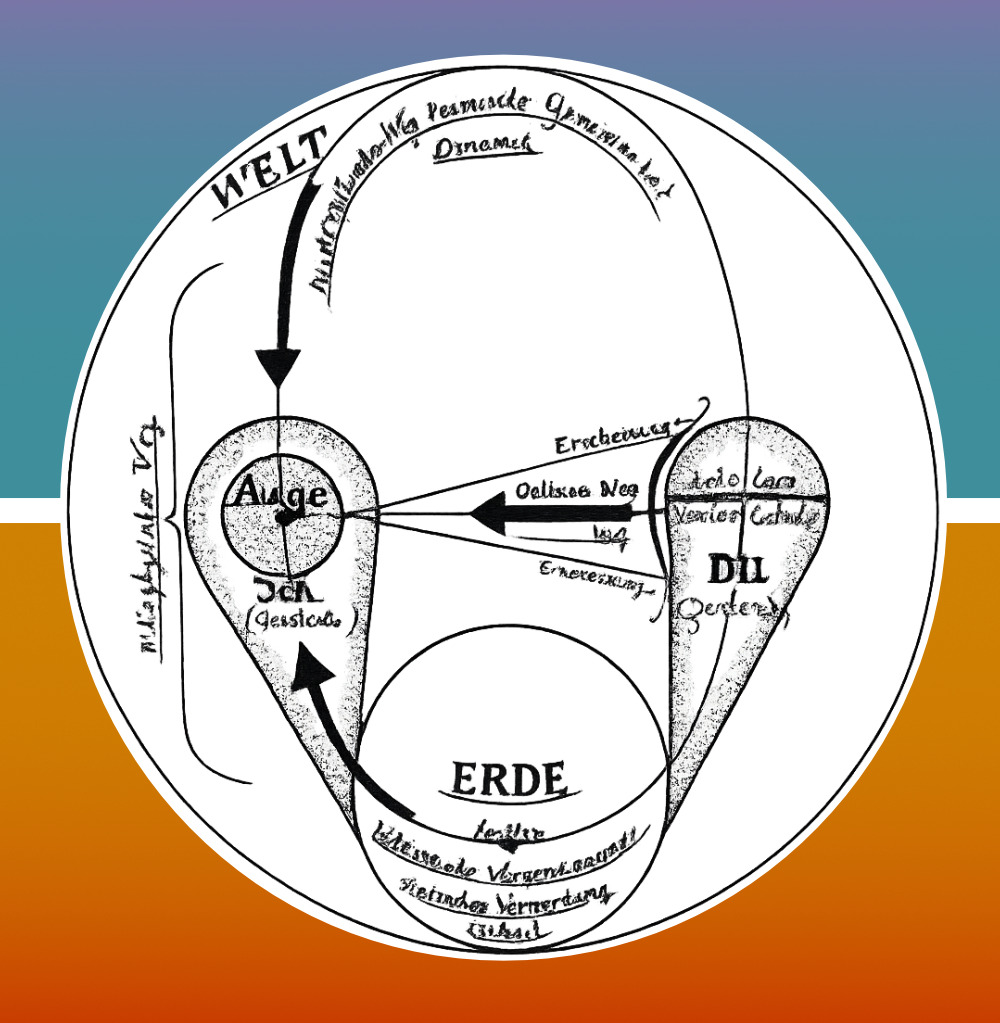
The two paths of Nature depicted in Paul Klee’s reflections on form and design.
What we perceive in the landscape is never neutral. Our ways of seeing are shaped by cultural memory, bodily experience, and shared needs, just as the landscape itself is shaped by natural forces and human action. Observation, in this sense, is not a passive act but a relational one: we influence what we see, and what we see, in turn, influences how we understand ourselves and our place in the world.
This interconnectivity forms a circular process. The dynamic forces of the “World” open perspectives, provoke change, and expand horizons, while the grounding presence of the “Earth” provides orientation, limits, and meaning. Together, they shape a shared field in which recognition emerges — not as a fixed truth, but as an evolving relationship between People and Nature.
This thought feels particularly resonant as we step into a new year shaped by profound geopolitical tensions over land and resources: rare metals, oil, water, space on Earth and beyond it.
Our worldly needs are no longer hidden behind abstractions. They are written into soils, coastlines, infrastructures, and skies. They emerge from the way we live together and connect the restless dynamics of change with the quiet, grounding presence of the Earth that sustains us.
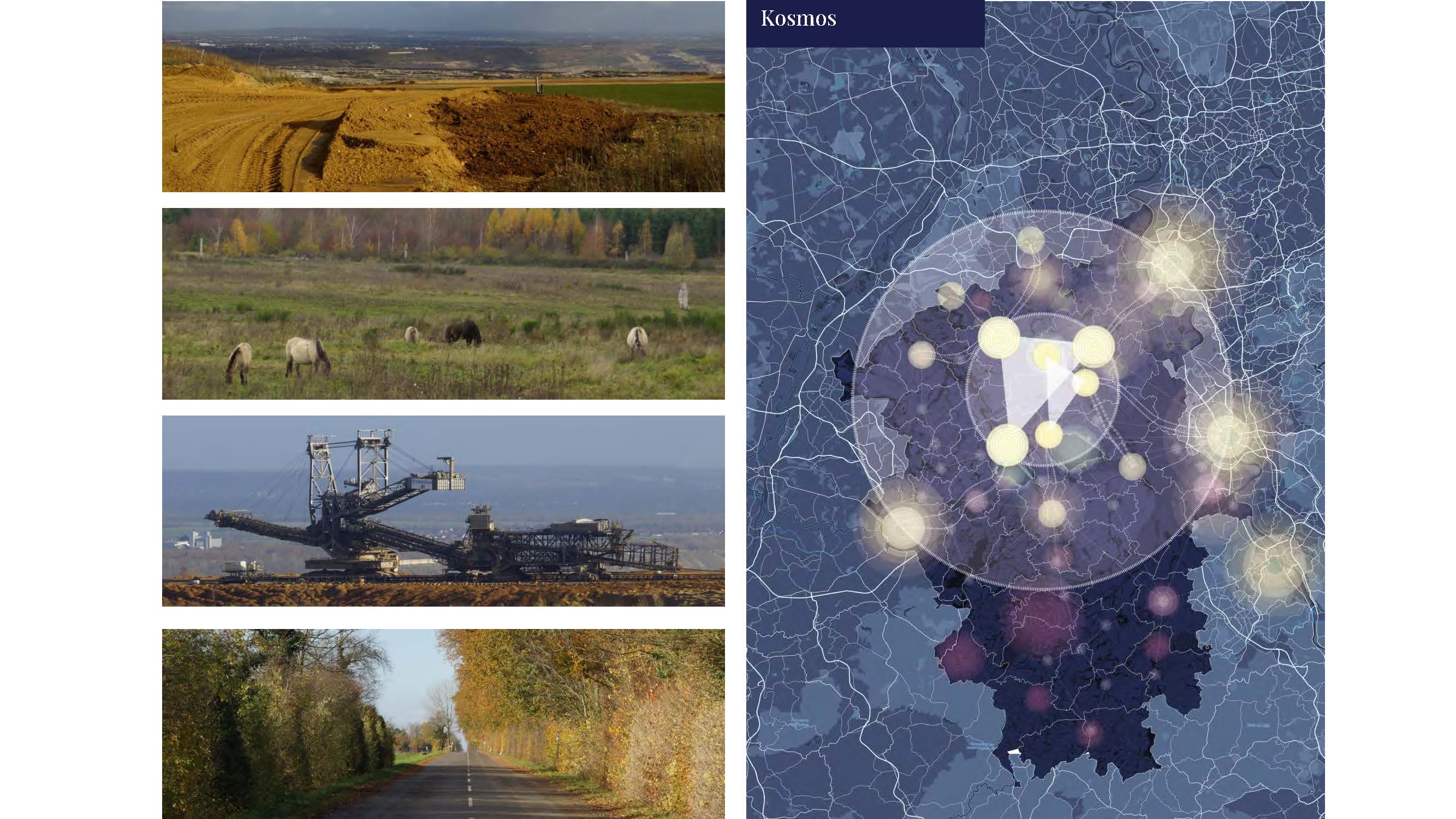
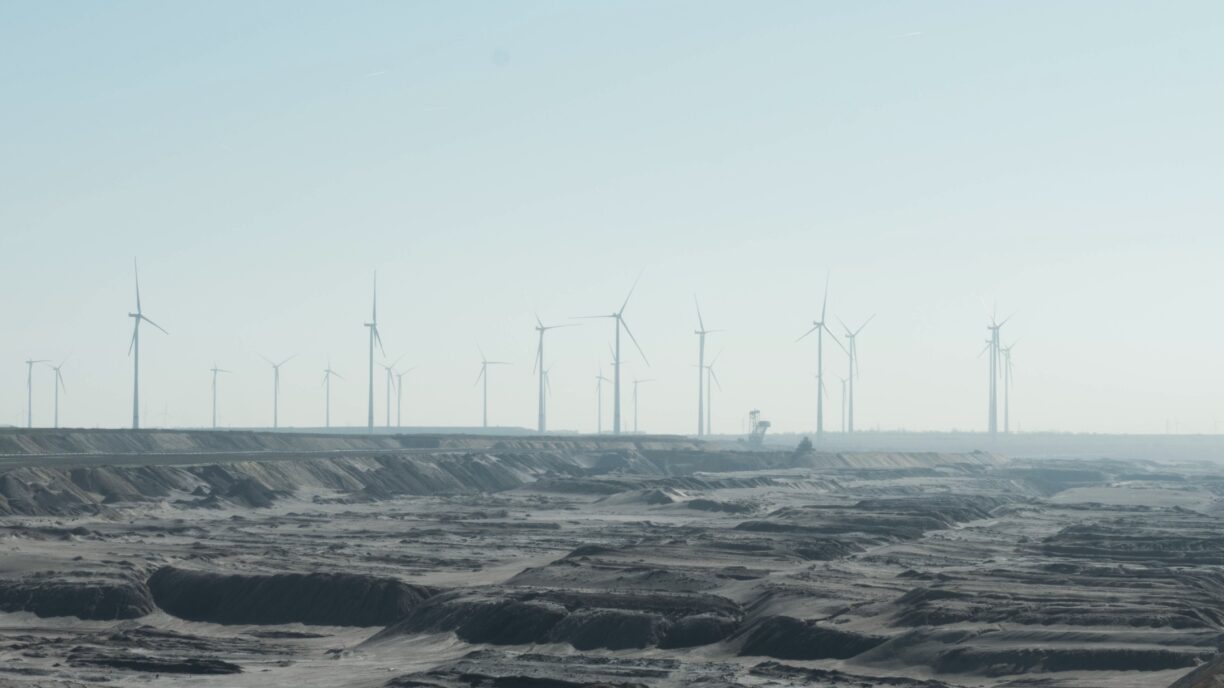
Rheinisches Revier: structural change and becoming of a new cosmic togetherness.
Needs as pathways back to Nature
Across cultures and continents, Nature responds to human needs at every scale. It cools our cities, filters our air and water, produces food and energy, and offers spaces for encounter, reflection, and resilience.
Safety, water, food, health, belonging, dignity, beauty, meaning: these needs form a continuum. They begin with survival and extend into culture, identity, and hope. And they all point back to Nature, not as an external resource, but as a relational system of which we are inseparably a part.
Today, we are witnessing how fragile this foundation can be. Land and water are increasingly contested. Territories are under pressure, and access to Nature is becoming uneven, at times violently so. When Nature is reduced to possession or extraction, the balance between World and Earth fractures. What follows is instability, inequality, and loss of trust, both between societies and within them.
And yet, Nature also holds the key to reconnection. It is dynamic, capable of adaptation and regeneration, and at the same time static, offering continuity and grounding. It is this dual quality that makes landscape such a powerful medium for transformation.
Cultivating the common denominator
We believe the task ahead is not merely to protect Nature, but to cultivate it consciously, as a shared asset that supports social cohesion, economic stability, and long-term resilience. This calls for an interdisciplinary approach that brings together landscape architecture, urban planning, ecology, digital tools, governance, and community engagement.
It also requires a shift in mindset: from compensation to regeneration, from isolated projects to connected systems, from short-term fixes to long-term stewardship.
Whether we work on green mobility networks, productive landscapes, school environments, energy landscapes, or climate-adaptive public spaces, the underlying question remains the same: How can landscape respond to human needs — today and tomorrow?
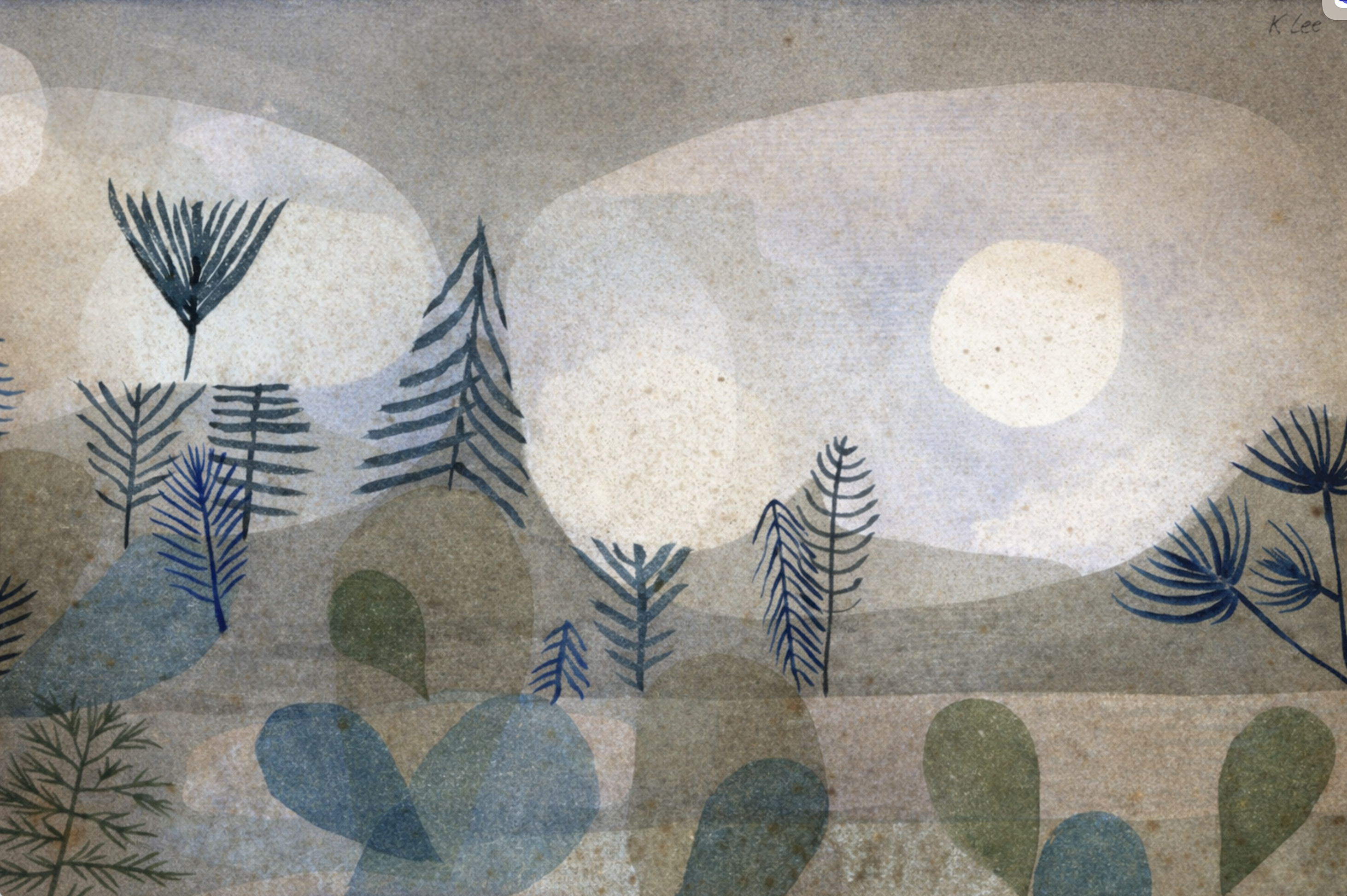
Paul Klee Oceanische Landschaft, 1929
Cosmic Vision, Earthly Responsibility
Conscious observation plays a decisive role in this transformation. Learning to read Nature attentively — today also through advanced technological means such as artificial intelligence — allows us to recognise patterns, relationships, and values that have long been overlooked.
When used responsibly, digital tools can deepen our understanding of ecosystems, helping us measure, protect, and restore Natural Capital at scale. More importantly, they can reshape our cultural outlook: from seeing Nature as a finite resource to understanding it as a complex, living system in which we are embedded.
This expanded way of seeing resonates beyond planning and science, reaching into art and culture. My artist friend Thomas Schönauer has traced a similar evolution in his work—from the Earth-bound sculptures Cultivator to a broader artistic and political reflection he calls The New Complexity of the World, succinctly titled Galaxa. It is a powerful reminder that broadening our gaze — from soil to systems, from ground to cosmos — also transforms how we think, create, and act together.
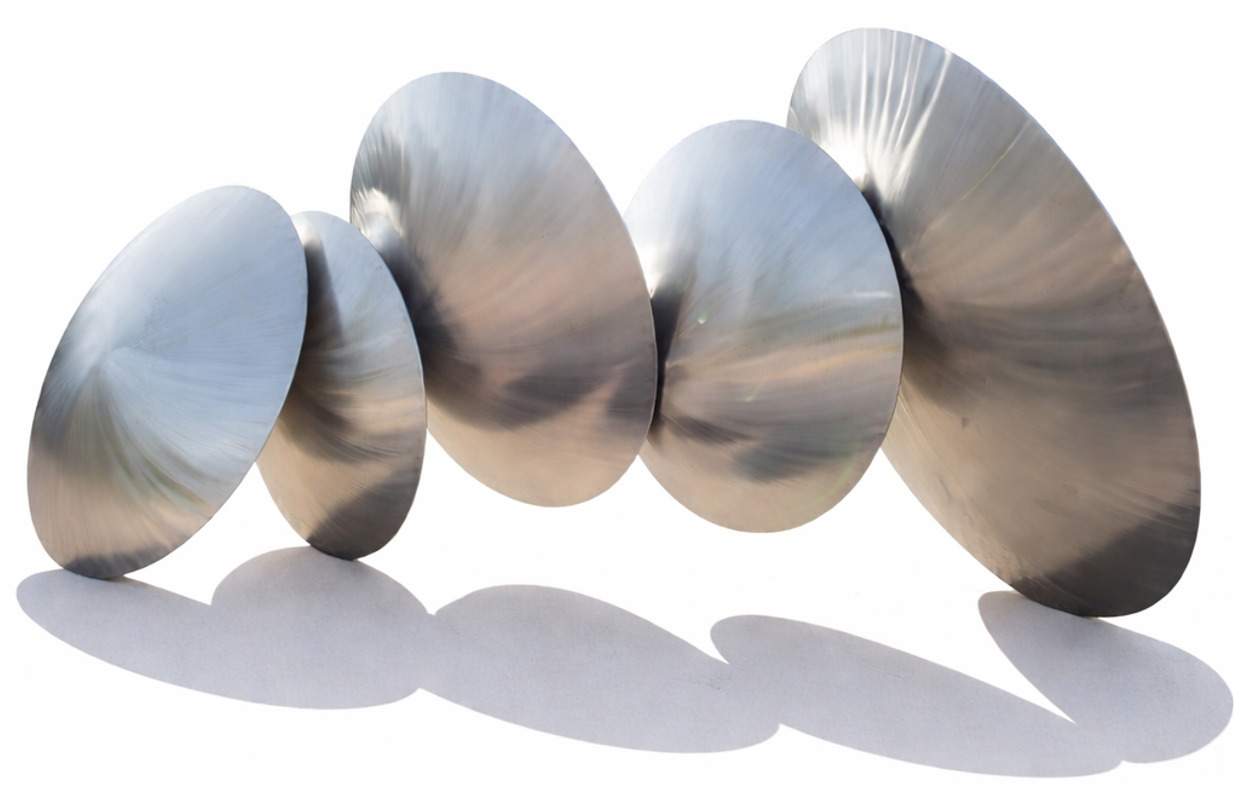
One of the ‘Cultivator’ steel sculptures by Thomas Schönauer, symbolizing transformation and growth.
Venturing forward, together
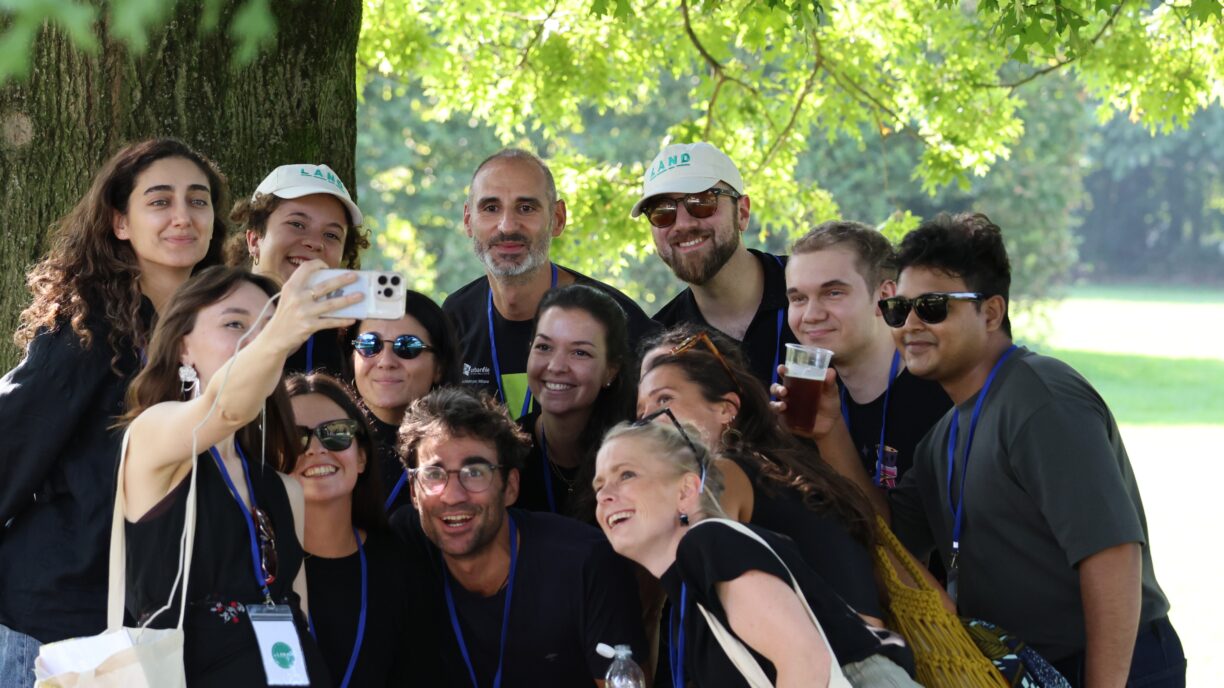
As we step into this new year energised by the celebrations for our 35th anniversary, I feel a strong enterprising spirit, a joy in working together across borders, disciplines, and generations.
The growing international community of LAND demonstrates that when we begin from shared values and shared needs, collaboration becomes a source of strength and creativity.
From the garden to the city, from the city to the region, from the region to the world.
The future will not be shaped by singular answers, but by connected ones. Nature offers a language we all understand — if we choose to listen. In 2026, we will continue to explore, collaborate, and cultivate landscapes that Reconnect People with Nature and with one another.
Let us begin the year grounded, curious, and confident: the most powerful answers are already growing beneath our feet.