Biasca Middle School Campus
Switzerland
The Biasca School Campus is a transformative project integrating education, nature, and community. By reimagining public spaces, it fosters connectivity, sustainability, and ecological resilience. Through biodiversity corridors, permeable surfaces, and green infrastructure, the campus enhances learning environments while reinforcing the relationship between the built and natural landscapes.
Client
Cantone Ticino
Geography
Status
Year
2024
Partners
CAMPANA HERRMANN PISONI ARCHITETTI
The Biasca School Campus is a transformative project integrating education, nature, and community. By reimagining public spaces, it fosters connectivity, sustainability, and ecological resilience. Through biodiversity corridors, permeable surfaces, and green infrastructure, the campus enhances learning environments while reinforcing the relationship between the built and natural landscapes.
Client
Cantone Ticino
Geography
Status
Year
2024
Partners
CAMPANA HERRMANN PISONI ARCHITETTI
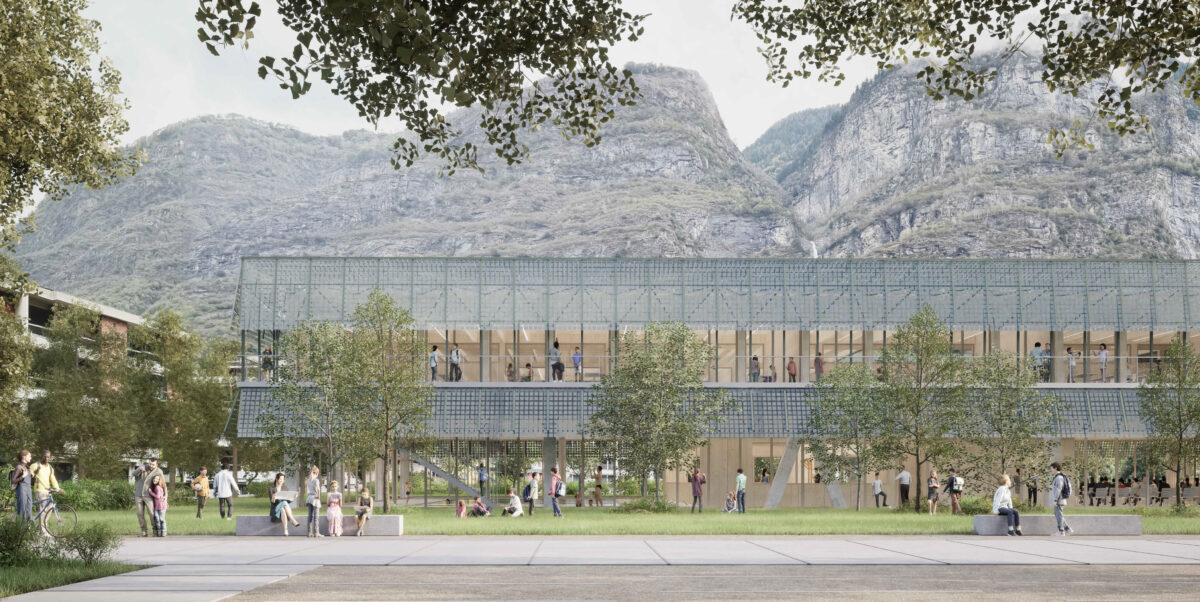
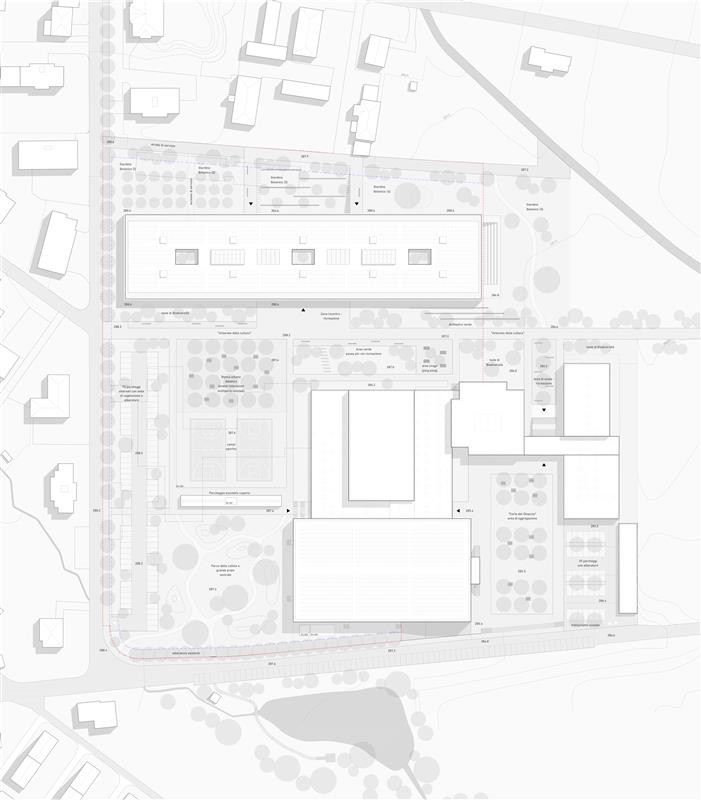
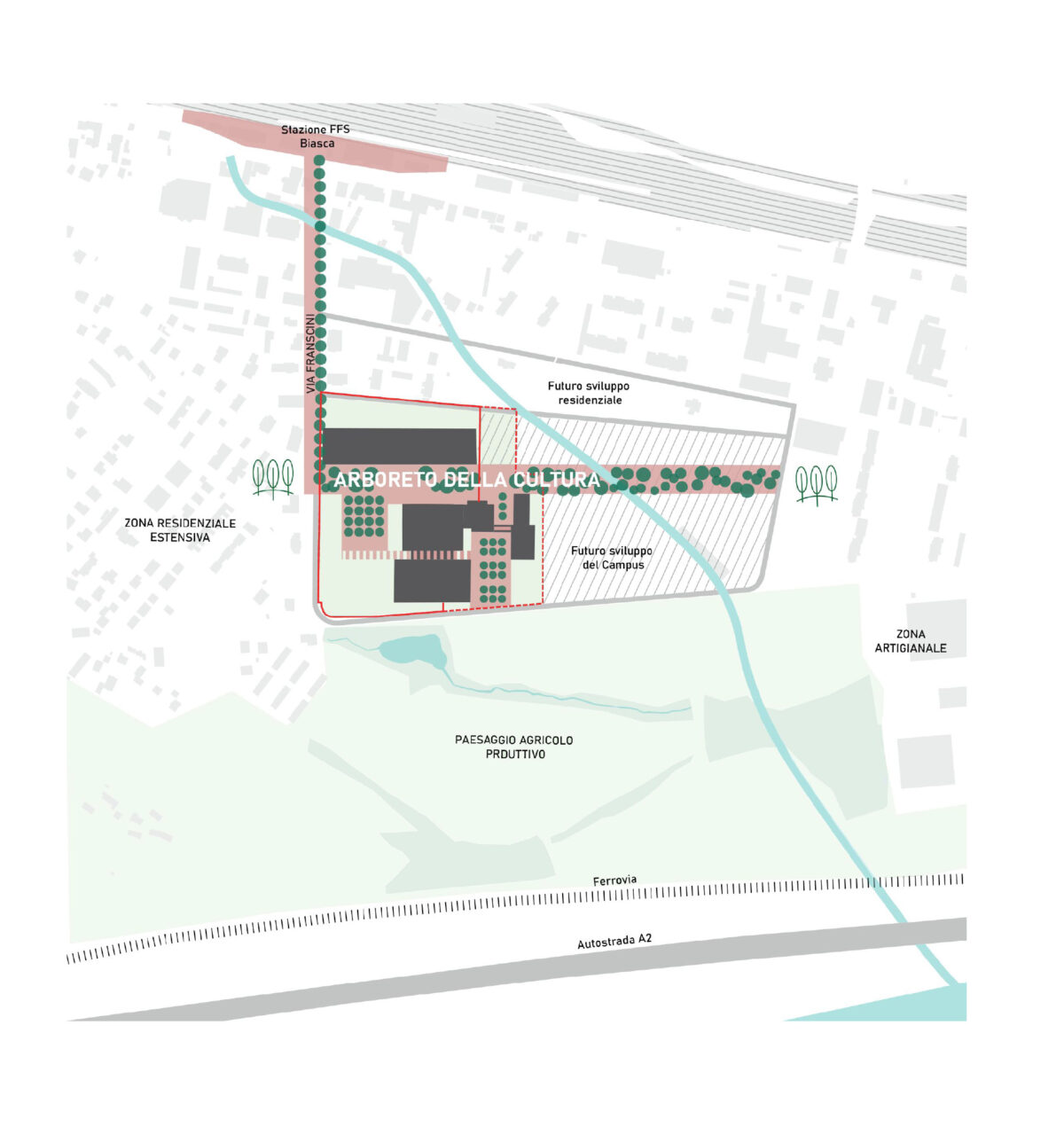
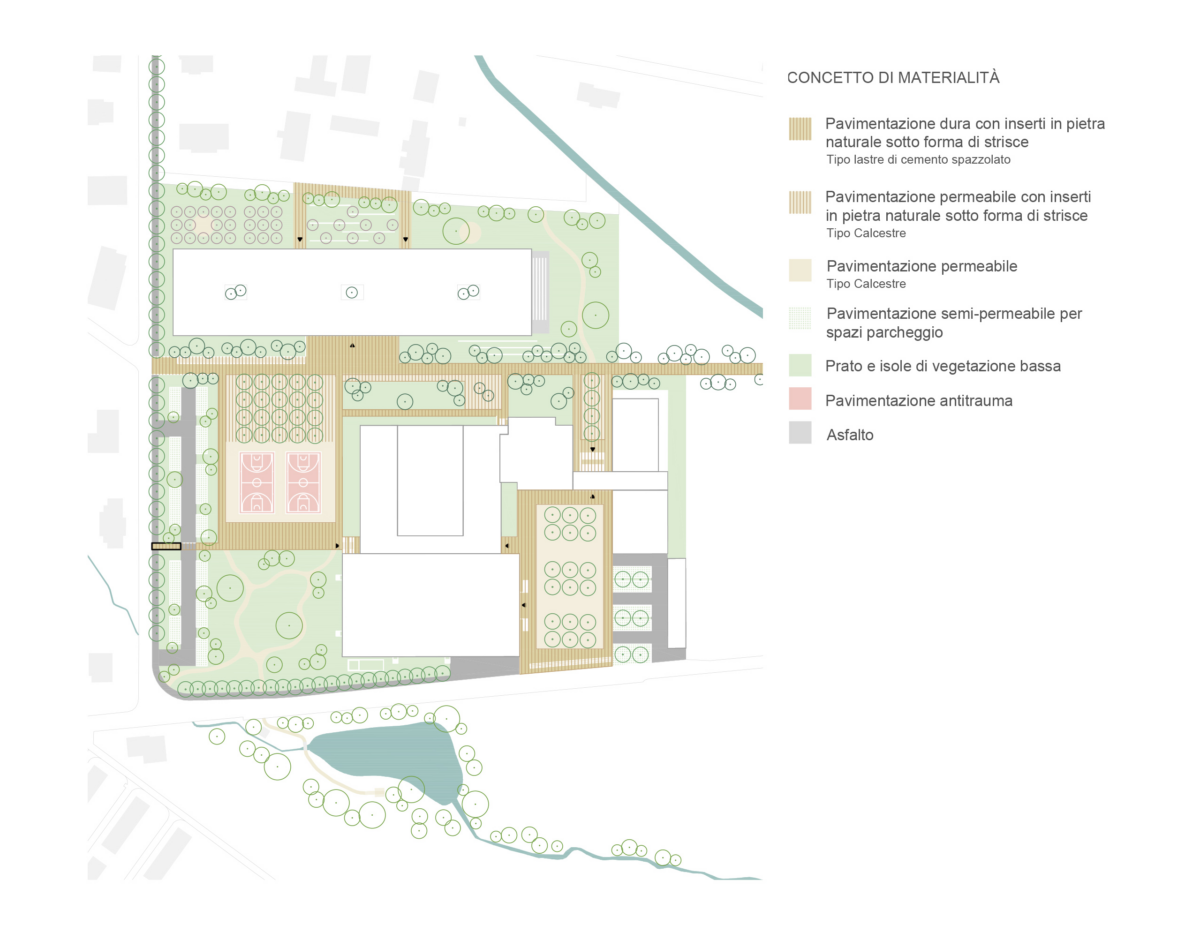
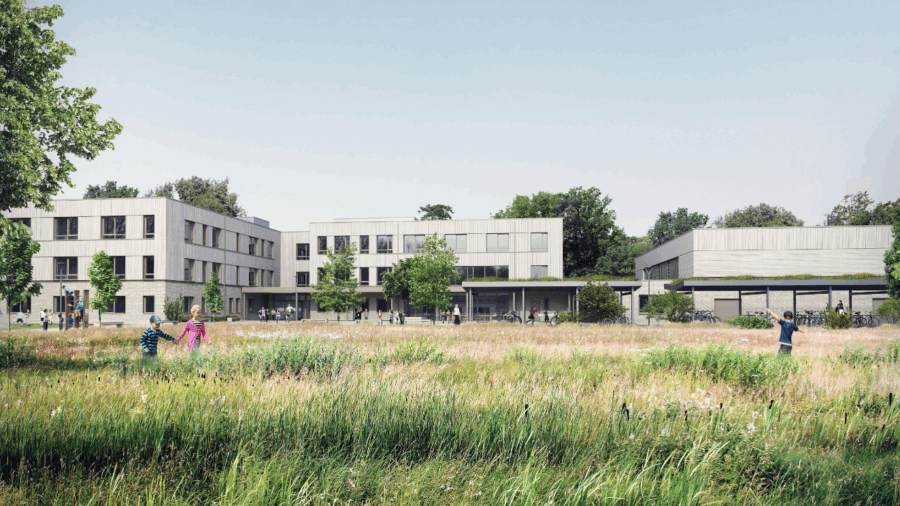
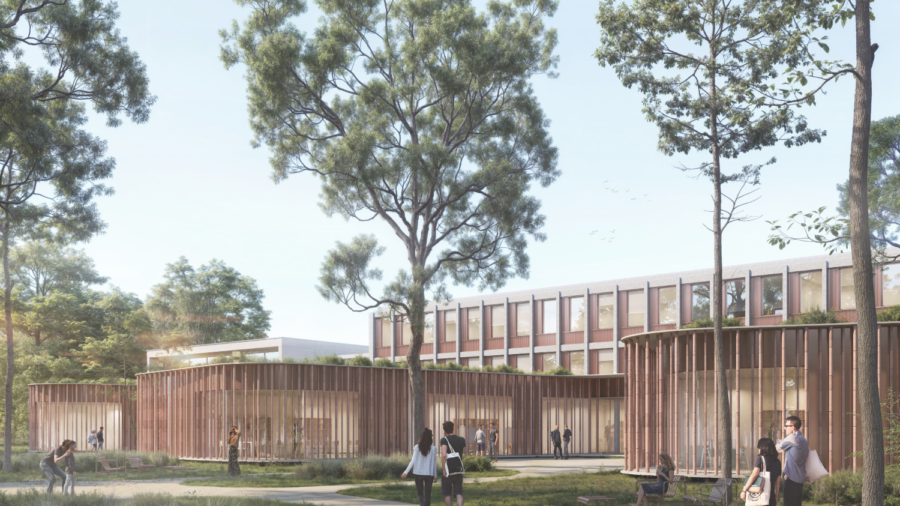
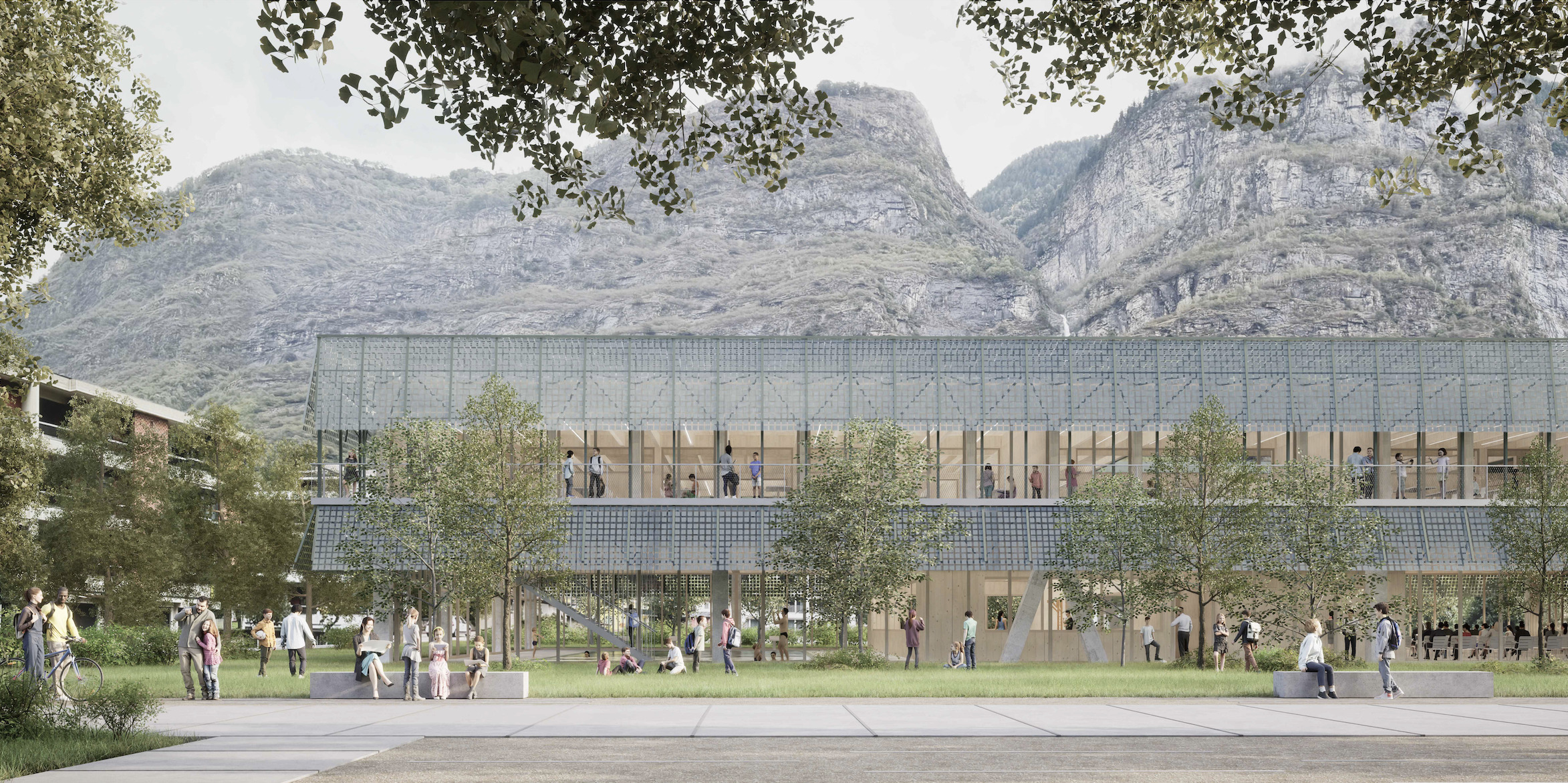
Situated near the railway in a historically agricultural area, the Biasca School Campus embraces its natural heritage while redefining the role of landscape in education, taking its primary inspiration from a tree house. The competition winning design by LAND Suisse and CHP Architetti aligns with the Master Spatial Plan’s (MSP) principles of a “Connected Campus” and “Structured Campus,” strengthening pedestrian links and organizing open spaces into a clear, functional framework.
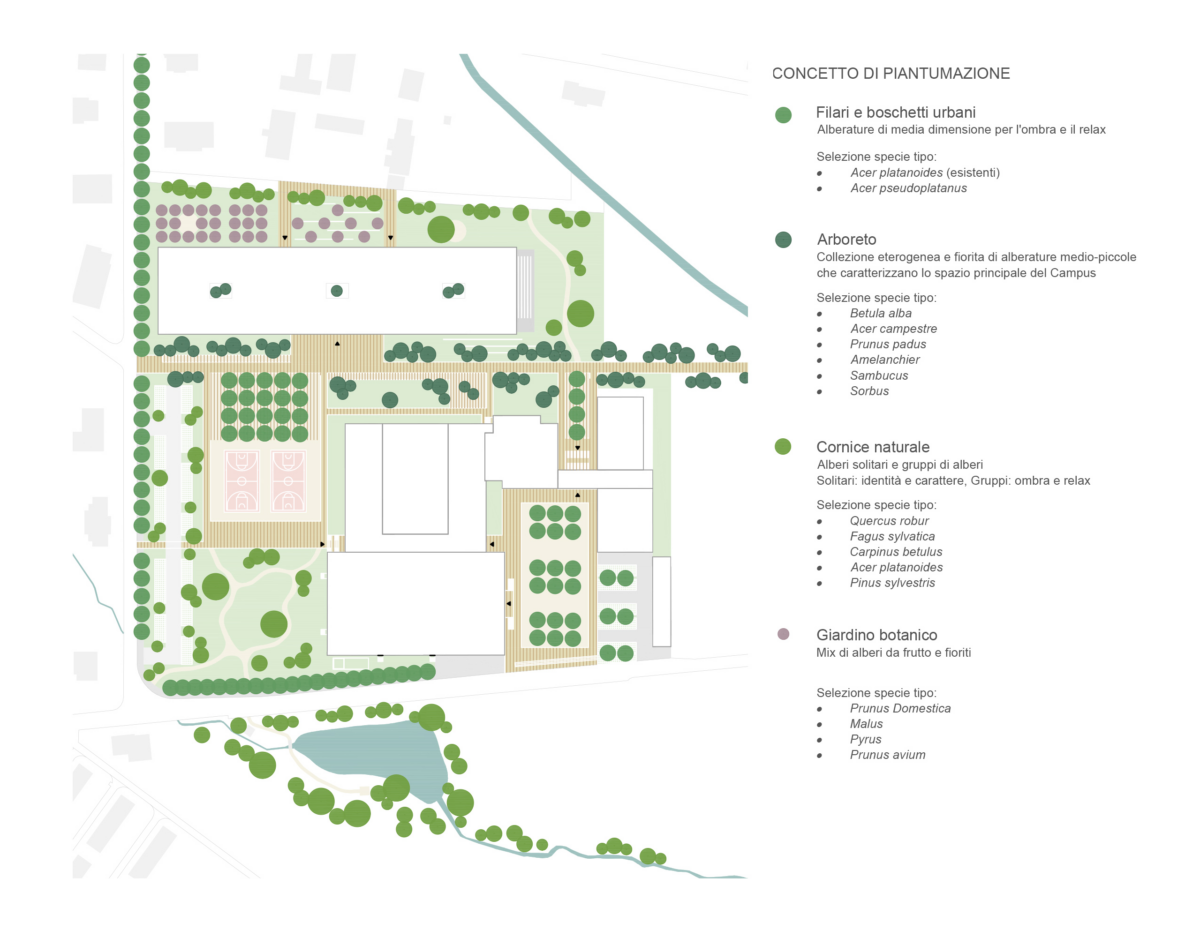
At the core of the design is the Arboreto della Cultura, a linear green corridor that interconnects campus areas while promoting biodiversity, cultural activities, and outdoor recreation. This spine integrates permeable paving, shaded gathering spaces, and native vegetation, creating a dynamic setting for students and the community.
In addition to the Arboreto, the project introduces a multi-use event and sports plaza, a botanical garden for outdoor learning, and a natural park featuring ecological play areas. These elements contribute to an adaptable, inclusive landscape that fosters environmental awareness and well-being.
The campus also implements climate-responsive strategies, including biodiversity corridors, heat-mitigating tree canopies, and unsealed surfaces that improve urban cooling and water absorption. By integrating these features, the design enhances both ecological performance and social engagement.
9,200 m² of accessible green areas
・Including 196 new trees
4,700 m² of green roofs
・For an increase in permeable surfaces
155 m² of rain gardens
・Contributing to a holistic sustainable water management strategy
Related projects
Regeneration project for GAM – Civic Gallery, Turin
Regeneration project for GAM – Civic Gallery, Turin