An agro-environmental laboratory for the Po Delta, Mesola
Italy
The Po delta, the reference area of the Consorzio Uomini Massenzatica (Consortium of Men of Massenzatica, CUM), is part of those “rural – peripheral” geographies that have been progressively marginalized over the years by the development process of the contemporary age. Our consultancy looks into the strategies to reverse that trend.
The Po delta, the reference area of the Consorzio Uomini Massenzatica (Consortium of Men of Massenzatica, CUM), is part of those “rural – peripheral” geographies that have been progressively marginalized over the years by the development process of the contemporary age. Our consultancy looks into the strategies to reverse that trend.
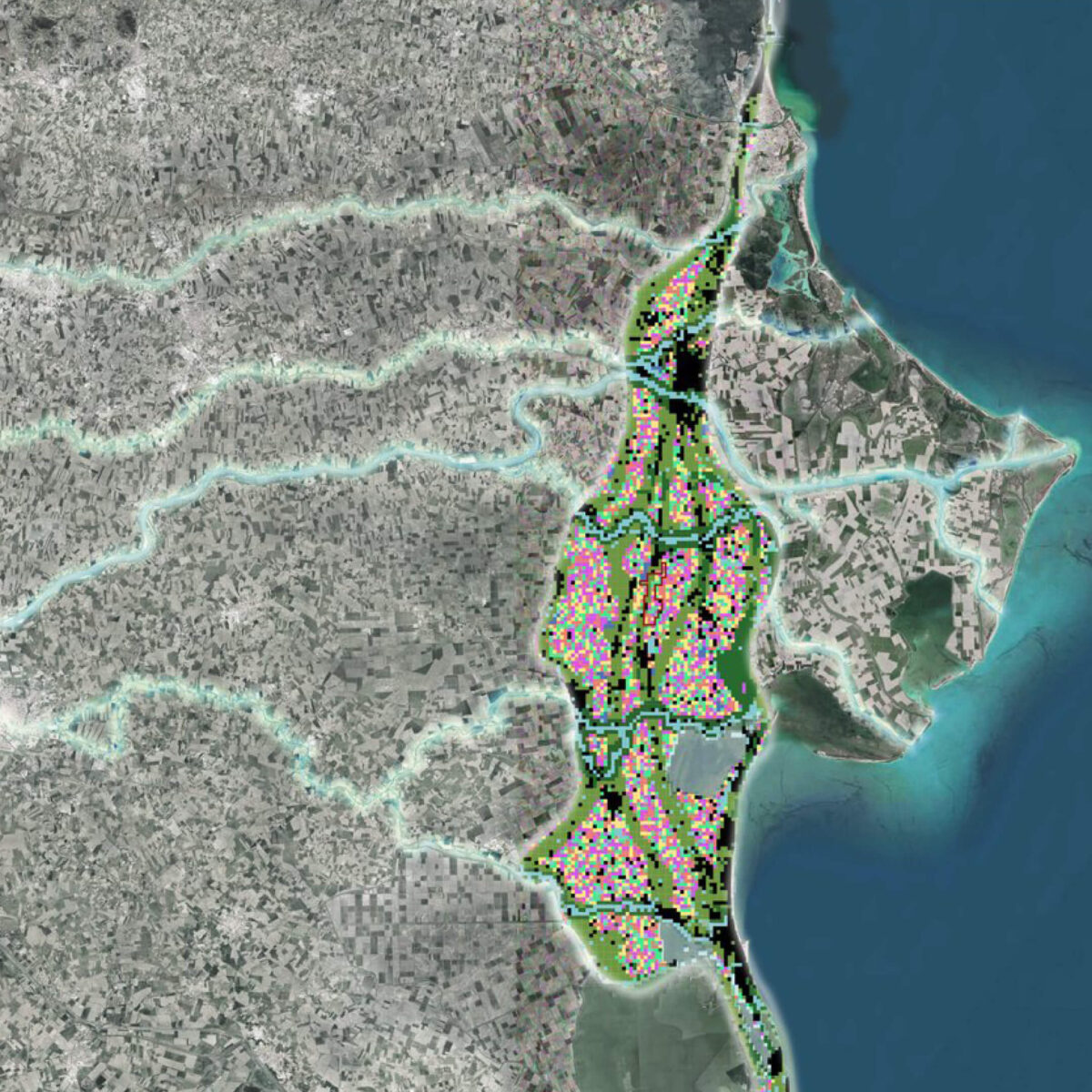
Po Delta
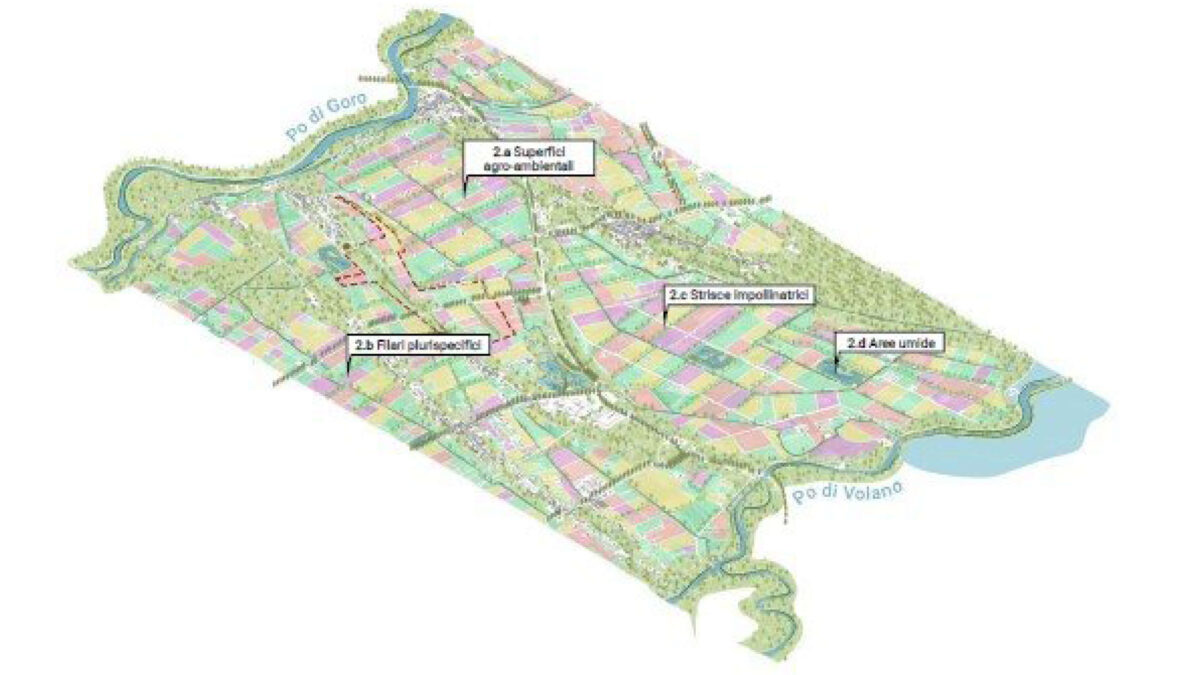
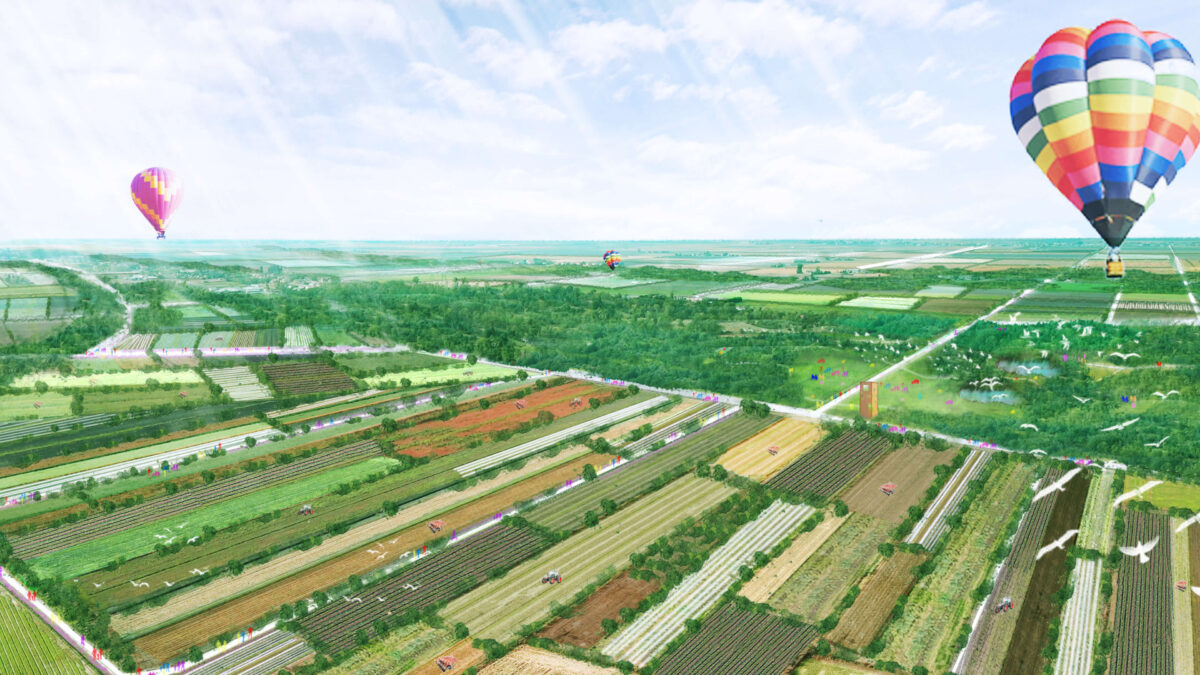
The Po Delta is one of the most biodiverse areas in Europe, hosting various habitats including wetlands, lagoons, dunes, and forests. It is home to numerous plant and animal species, many of which are rare or endangered.
At the same time, these territories are returning to the forefront as containers of heritage, areas for potential experimentation of new relationships between man and nature that can trigger landscape regeneration, economic value, and community cohesion. With this in mind, the CUM, in the heart of the ancient delta, characterized by a millenary history of care and management of the land by combining social values and virtuous agro-environmental practices, promotes a long-term project for the enhancement of the territory of the Po Delta.
The Po Delta is recognized as a UNESCO World Heritage site and a Ramsar Wetland of International Importance, highlighting its global ecological significance. The area supports a rich diversity of bird species, making it a key site for birdwatching and conservation efforts. Species such as the purple heron, little egret, and the Eurasian spoonbill are common sights in this unique landscape.
Related projects
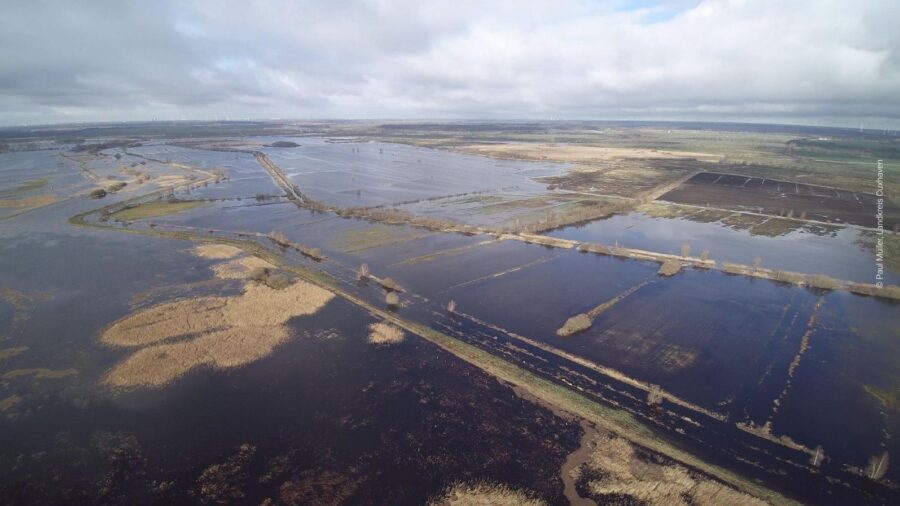
Landscape Concept for the Geeste Floodplain, Cuxhaven District
Landscape Concept for the Geeste Floodplain, Cuxhaven District
nAIture Capital in NRW: AI‑powered ecosystem accounting for a Nature‑Positive Future
nAIture Capital in NRW: AI‑powered ecosystem accounting for a Nature‑Positive Future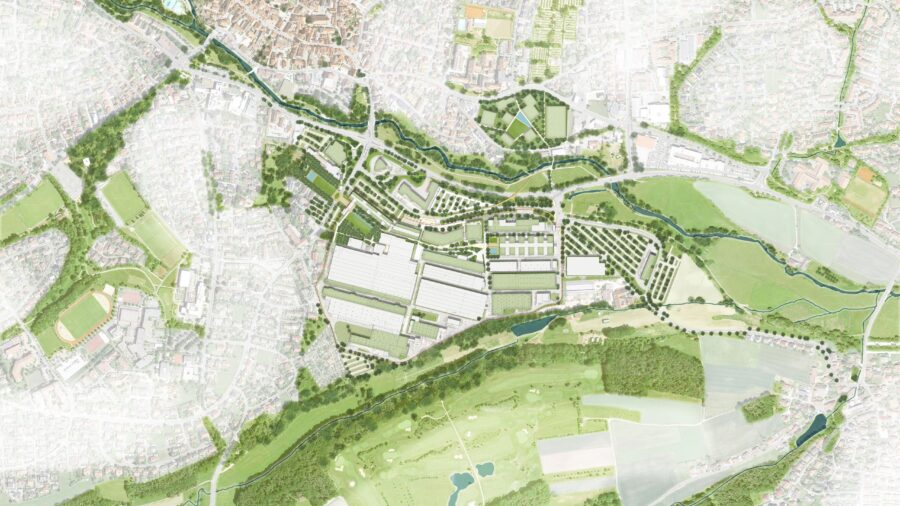
Strategic Campus Development Framework, Schaeffler Areal Herzogenaurach
Strategic Campus Development Framework, Schaeffler Areal Herzogenaurach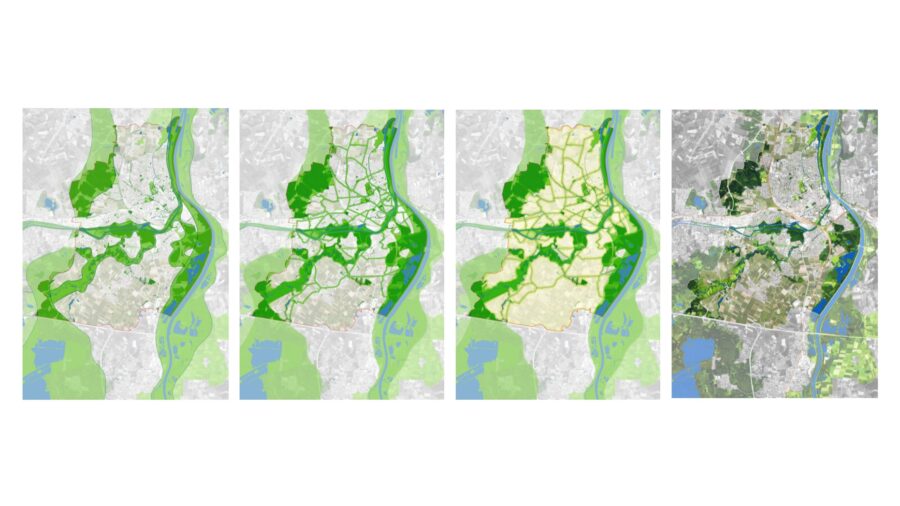
Technical Framework “Environment–Climate–Climate Change”, Rosenheim
Technical Framework “Environment–Climate–Climate Change”, Rosenheim